







Pakistan’s Pledge to Peace: Navigating Regional Tides
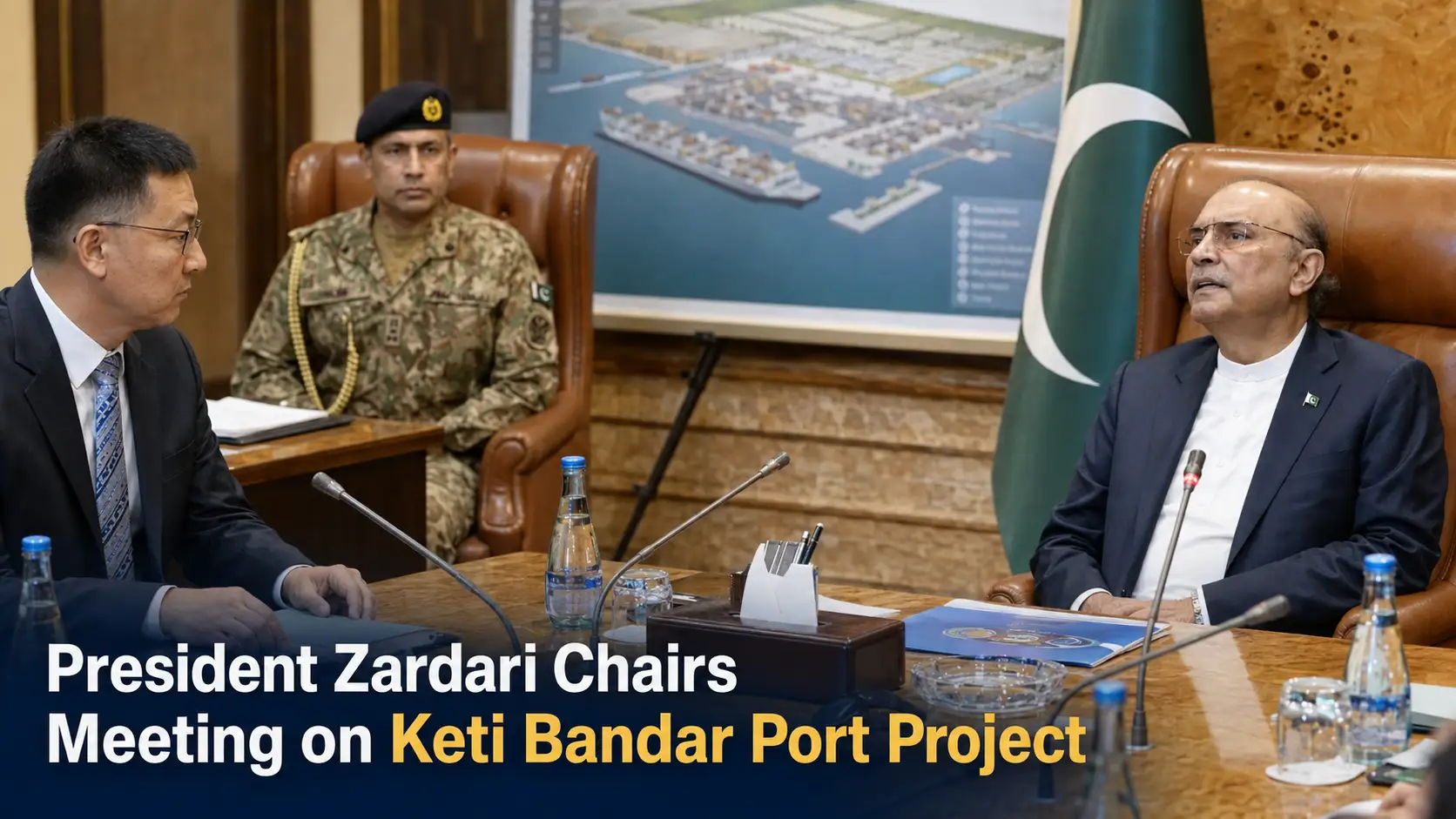
In a significant development for South Asian diplomacy, Pakistan has reaffirmed its unwavering commitment to peace within the region. At the helm of a pivotal meeting was Deputy Prime Minister and Foreign Minister Ishaq Dar, who gathered key officials to assess the intricate and evolving geopolitical landscape. The Foreign Office spokesperson underscored Pakistan’s steadfastness in nurturing an environment conducive to stability and cooperation. This commitment is not merely a diplomatic ritual; it is a strategic necessity that speaks volumes about Pakistan’s aspirations for constructive regional engagement.
A Historical Perspective: Pakistan’s Peace Efforts
Historically, Pakistan’s journey towards fostering regional peace has been punctuated by challenges and breakthroughs. From peace accords to multilateral dialogues, the nation has persistently sought avenues to diminish tensions and foster collaboration. This high-level meeting once again sheds light on Pakistan’s approach to diplomacy that prioritizes dialogue over discord. By embracing peaceful negotiations and considering regional concerns, Pakistan aims to lead collaborative efforts towards a harmonious future shared with its neighbors, reiterating a consistent policy direction.
Analyzing the Geopolitical Climate
In understanding the broader implications of Pakistan’s reaffirmation, one must consider the dynamic geopolitical climate of South Asia. The region, marked by diverse cultures and political complexities, is a mosaic of opportunities and challenges. The delicate balance involves addressing border tensions, economic collaborations, and cultural exchanges. Pakistan recognizes the intricate web of these issues, and through strategic diplomacy, it seeks to bridge differences and unveil opportunities for mutual growth. This approach calls for adaptable policies that can respond to both anticipated and unforeseen shifts within the regional framework.
The Role of Key Players
Pakistan’s role as a central player cannot be underestimated in the broader regional context. The cooperation of neighboring nations, such as India and Afghanistan, along with influential global powers, remains crucial. In fostering this atmosphere of peace, Pakistan anticipates engagement not just with states but also international organizations committed to peace and development. Collaborations, based on mutual respect and shared interests, can open doors to innovative solutions that transcend traditional geopolitical thinking. By acting as a facilitator for dialogue, Pakistan seeks to anchor stability while encouraging regional alliances that proactively address mutual concerns.
Outlook: Stepping Towards a Peaceful Future
Concluding this analysis, Pakistan’s meeting was more than a diplomatic formality; it was a strategic motion towards a vision of sustainable peace. As regional dynamics continue to evolve, the country’s commitment to understanding and addressing intertwining geopolitical threads becomes increasingly pertinent. By investing in dialogue and cohesive strategies, Pakistan is positioning itself not just as a participant, but as a leader in the regional peace process. This blueprint for collaborative growth has the potential to set a valuable precedent in regional politics, marking a transition towards cooperation, prosperity, and enduring peace.