





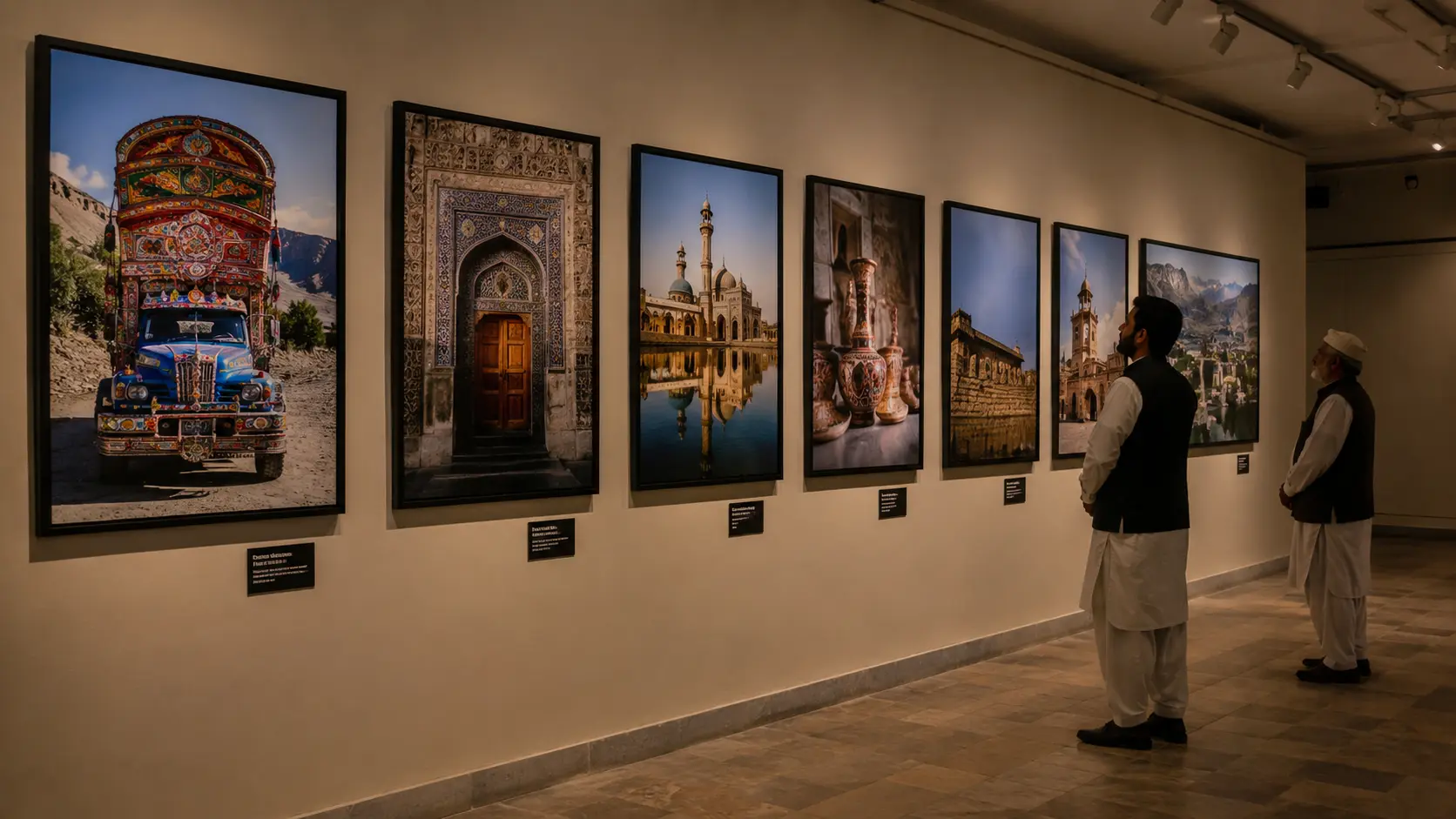

Pakistan’s rich cultural heritage is on full display at a recent photo exhibition held in Islamabad, where vibrant imagery and stories come together to showcase the nation’s remarkable history. The event, announced by Federal Minister for National Heritage and Culture Aurangzeb Khan Khichi, aims to foster a deeper understanding and appreciation of Pakistan’s intricate cultural tapestry. This particular exhibition presents a unique opportunity for both locals and visitors to reflect on the diverse cultural narratives that define Pakistan today. Through a vivid array of photographs, the exhibition highlights everything from ancient archaeological sites to modern cultural practices, emphasizing the path that has brought Pakistan to its current status as a rich cultural hub in South Asia.
Understanding Pakistan’s Rich Cultural Heritage
To fully appreciate the essence of Pakistan’s rich cultural heritage, it’s vital to acknowledge the multifaceted influences that have shaped it over thousands of years. The country’s locations along the ancient trade routes, such as the Silk Road, have allowed for the exchange of diverse ideas, art forms, and traditions from various civilizations, including Persian, Greek, and Central Asian influences. This interchange has facilitated a unique blending of cultures, making Pakistan a mosaic of various ethnic backgrounds and practices.
Pakistani culture is not merely defined by its historical artifacts; it also emanates from the daily lives of its people. Traditional music, dance, festivals, and culinary practices are all vital expressions of cultural identity that enrich the nation’s overall character. For example, the classical music of the region has deep roots in the Persian and Mughal traditions, influencing modern genres such as qawwali, which remains an integral part of the cultural fabric.
This rich tapestry of cultural heritage extends to the visual arts as well. From the intricate tile work seen at the Badshahi Mosque to the vibrant embroidery of traditional clothing, the artistic expressions found throughout Pakistan reflect both local and global influences. Ultimately, understanding Pakistan’s rich cultural heritage involves nurturing a sense of pride among its citizens, and this exhibition is an excellent starting point to achieve that goal.
The exhibition is not just a display; it is a journey through time capturing the essence of what it means to be Pakistani. The photographs serve as windows into the soul of the nation, showing how historical events have shaped, and continue to influence, modern society. The echoes of the past resonate in the present, highlighting the enduring nature of cultural heritage.
Additionally, the exhibition delves into the unique cultural expressions found within Pakistan’s provincial traditions. Punjab, Sindh, Khyber Pakhtunkhwa, and Balochistan all boast distinct cultural identities, from language and literature to craft and music. Through these visual narratives, visitors can appreciate the regional diversity and a shared cultural ethos that binds the nation together.
The Importance of Cultural Awareness
Cultural awareness plays a pivotal role in promoting harmony, understanding, and coexistence among diverse communities. In a country as diverse as Pakistan, it is crucial to foster an environment where different cultures can thrive and contribute to a collective identity. By highlighting Pakistan’s rich cultural heritage, the recent photo exhibition serves to bridge gaps and dismantle cultural barriers.
One of the pivotal aspects of cultural awareness is the understanding of historical narratives that have influenced current societal structures. Numerous communities within Pakistan have unique histories and customs, and showcasing the stories told through photographs allows for deeper empathy and respect for these varied backgrounds. Events like this exhibition encourage conversations around cultural unity and appreciation for the common threads that connect all Pakistanis.
Furthermore, by raising awareness about the country’s rich cultural backdrop, the exhibition encourages visitors to become more socially responsible citizens. Recognizing the importance of preserving cultural heritage is vital for sustainable development. It involves not only protecting physical artifacts and traditions but also ensuring that newer generations are educated and engaged with their history.
Cultural awareness fosters a deeper sense of connection between individuals from different walks of life. In learning about the cultural practices of others, individuals better understand and appreciate the world beyond their immediate environment. The exhibition encourages this exploration through a visual medium that crosses linguistic and cultural barriers.
Moreover, the photo exhibition acts as a catalyst for dialogue, creating a platform where individuals can come together to discuss and celebrate diversity. This interaction helps break down stereotypes and prejudices that may exist, leading to a more inclusive and harmonious society.
Incorporating Technology in Cultural Exhibitions
In our increasingly digital age, the incorporation of technology into cultural exhibitions has become more significant than ever. The recent photo exhibition showcasing Pakistan’s rich cultural heritage is a prime example of how technology can enhance the experience of viewers. By using augmented and virtual reality, attendees can immerse themselves in historical settings and gain insights into the context behind each photograph.
For instance, through interactive displays, visitors could virtually “walk” the ancient streets of Mohenjo-Daro or participate in the vibrant festivities of Basant, experiencing these cultural moments in a deeper way. Additionally, multimedia presentations can contextualize the photos, providing background information about the artifacts, cultural practices, and the significance of the moments captured.
Moreover, social media platforms can play a vital role in promoting cultural exhibitions. By sharing snapshots and stories from the event on platforms such as Instagram or Twitter, attendees can invite a broader audience to appreciate and engage with Pakistan’s cultural offerings. This online presence can serve to attract tourists, researchers, and cultural enthusiasts, bolstering interest in both the event and Pakistan’s rich cultural heritage as a whole.
Beyond enhancing the visitor experience, technology in cultural exhibitions has the potential to democratize access to heritage. Online portals and virtual tours can extend the reach of exhibitions to a global audience, allowing those unable to physically attend the exhibition to experience it remotely. This broadens the impact by sharing Pakistan’s cultural treasures with the world.
Furthermore, technology allows for the preservation of cultural heritage through digital documentation. High-resolution photographs and 3D scans help archive artifacts and sites, ensuring that even if physical pieces are lost to time, their digital counterparts can continue to educate and inspire future generations.
Government Support for Cultural Initiatives
Government support for initiatives that showcase cultural heritage is crucial for their success. Federal Minister Aurangzeb Khan Khichi’s announcement of a substantial grant for the exhibition marks a positive step in promoting Pakistan’s rich cultural heritage. This backing underscores the government’s recognition of the cultural sector’s importance in national identity and pride.
Aside from financial support, the government has a pivotal role in creating an enabling environment for cultural organizations and artists. By providing grants and resources, the government can facilitate greater artistic expression and innovation. This can involve everything from funding cultural events to creating educational programs encouraging local communities to engage with their heritage.
In addition to financial contributions, government involvement should also promote collaboration between diverse cultural groups. This synergy allows for the celebration of multi-ethnic identities that contribute to Pakistan’s rich cultural heritage. The minister’s focus on cultural initiatives sets a precedent for future programs aimed at promoting unity in diversity, and is a vital sign of the government’s dedication to cultural preservation.
Government initiatives can also play a role in the preservation of endangered languages and traditions, providing a framework for reviving practices that are at risk of being lost. Language is a fundamental aspect of cultural heritage, and governmental support can aid in the documentation and teaching of regional dialects to ensure their survival.
Moreover, engaging in cultural diplomacy can help elevate Pakistan’s position on the global stage. Cultural missions and international exhibitions can showcase Pakistan’s cultural achievements, fostering goodwill, and mutual understanding between nations. This not only enriches global perceptions of Pakistan but also leads to collaborative cultural exchanges.
Also Read This Article : Government Cuts Petrol Price by Rs3.19, Diesel by Rs1.50 per Litre
Exploring Historical Sites through Photography
Photographic exhibitions create valuable opportunities to explore historical sites. At the recent exhibition, photographs featured not just artifacts but also the beautiful landscapes and historic structures across Pakistan. Locations such as the ancient city of Taxila serve as a reminder of the rich tapestry of civilizations that have existed in modern-day Pakistan.
Visitors were invited to appreciate the intricate details of architecture and designs that date back centuries, often showcasing the skills and craftsmanship of local artisans. Such visual representations help in drawing attention to the preservation needs of historical sites, emphasizing the necessity for protective measures to ensure their survival for future generations.
Not only do photographs depict cultural heritage, but they also serve as a powerful resource in educational contexts. Schools and universities can utilize the photography from these exhibitions in curriculums to teach students about their history and traditions. This blend of visual learning with traditional teaching methods can enhance students’ understanding and hopefully instill a sense of responsibility towards preserving their cultural heritage.
The power of photography in capturing historical sites lies in its ability to evoke emotions and transport viewers to a different time and place. Through the lens of a camera, moments of cultural significance are immortalized, telling stories that might otherwise remain untold. This visual storytelling connects people to their history in ways that written records often cannot achieve alone.
Exhibitions like this play an educational role by highlighting the complexities and interconnections of various historical periods. Each photograph unravels a piece of the past, showcasing the evolution of architecture, art, and societal values over time, deepening our understanding of how present-day customs and landscapes came to be.
The Role of Artists in Cultural Heritage Preservation
Artists serve as critical custodians of cultural heritage, and their roles have become even more prominent in events such as this photo exhibition highlighting Pakistan’s rich cultural heritage. They act as vessels through which stories, practices, and values are communicated across generations. The work of photographers, visual artists, and performers helps to keep cultural memories alive, often providing contemporary commentary on age-old traditions.
Moreover, artists contribute to cultural heritage preservation by partnering with communities to document oral histories and practices that may otherwise be forgotten. This engagement can help revitalize traditions, allowing them to evolve while maintaining their core values. In this way, artists are not just documenting heritage but actively participating in its ongoing narrative.
Additionally, educational workshops led by artists can facilitate cultural exchange and exploration among individuals from various backgrounds. By nurturing these dialogues, artists promote inclusivity and help to articulate the complexities of cultural identities within Pakistan. Ultimately, this collaborative approach reinforces the idea that cultural heritage is not static but a living entity that continues to shape societal dynamics.
Artists also play an innovative role, using contemporary mediums and reinterpretations to engage audiences with traditional heritage in new and exciting ways. Whether through modern architecture inspired by historical designs or digital art exploring ancient themes, artists can bridge the gap between tradition and modernity.
The involvement of artists in cultural documentation adds unique perspectives to narratives, offering fresh interpretations and often challenging dominant historical accounts. This ongoing dialogue fostered by artists contributes to a more dynamic and inclusive historical record.
Cultural Festivals: A Celebration of Heritage
Cultural festivals serve as vibrant platforms for the celebration of Pakistan’s rich cultural heritage. Events like Basant, Eid, and Muharram present opportunities not just for festivities, but also for cultural education and community engagement. Festivals often feature traditional music, dance, and food, allowing participants to connect with their cultural identity in meaningful ways.
These gatherings also create spaces for intercultural dialogue and learning. People from different ethnic backgrounds come together to celebrate a shared national identity, even while embracing their diverse traditions. Such an atmosphere can stimulate curiosity and appreciation for the country’s varied heritage, encouraging visitors to engage more deeply with the legacies of their communities.
By promoting public engagement through such festivals, communities cultivate pride in their heritage, enhancing cultural awareness among younger generations. The use of photography during these events allows families to capture moments while simultaneously documenting practices that may be at risk of fading away.
Cultural festivals serve as living displays of heritage, where traditions come alive through the participation of people of all ages. These events foster a sense of belonging and unity, providing a universal language that transcends social divisions and brings people together.
Through festivals, cultural practices are not only preserved and shared with the outside world, but they also receive new life as each generation adds its twist, ensuring the continuation of heritage in a rapidly changing world. This adaptability and resilience are key to the survival of cultural heritage over time.
The Future of Cultural Heritage in Pakistan
As Pakistan moves forward, the future of its rich cultural heritage relies on continuous efforts to protect, promote, and engage communities in cultural dialogue. The recent photo exhibition underscores the need for ongoing conversations about cultural identity and the responsibilities that come with preserving it. Education will play a critical role in this process, as teaching younger generations about their history instills a sense of pride and ownership.
Moreover, with the rise of globalization, there is a continuous need to safeguard cultural practices against homogenization. Efforts must be made to support local artisans and traditional practices that embody unique cultural expressions. Cultural policies should focus on sustainable development, highlighting the balance between modernization and preservation.
Ultimately, the successful preservation of Pakistan’s rich cultural heritage will hinge on collaboration among various stakeholders, including government agencies, cultural organizations, and local communities. Festivals, workshops, and exhibitions must be accessible to all, fostering an inclusive environment where cultural stories can thrive and be celebrated.
Looking to the future, it is essential to encourage innovative approaches to heritage preservation. Utilizing technology, fostering local craftsmanship, and promoting cultural tourism can enrich the cultural landscape while preserving authenticity. These efforts ensure that Pakistan remains a vibrant cultural hub.
The path forward involves addressing the challenges that threaten cultural heritage, such as urbanization, climate change, and socio-economic factors. By tapping into global best practices and fostering community-led conservation efforts, Pakistan can continue to protect its vast cultural wealth for future generations to appreciate and cherish.
Conclusion
In conclusion, the photo exhibition celebrating Pakistan’s rich cultural heritage not only showcases the visual beauty and intricacies of the nation’s history, but it also serves as a reminder of the importance of cultural preservation. The event plays a vital role in fostering understanding and appreciation among diverse communities while promoting awareness about the historical narratives that define Pakistan today. It is an important step in programming that elevates cultural initiatives and invites all citizens to engage with their roots.
Pakistan’s rich cultural heritage is an ever-evolving narrative, and it is critical that future generations are equipped to appreciate and protect it. As we move forward, the continued support from the government and citizen involvement will be crucial in ensuring that this rich tapestry of traditions, stories, and values not only survives but flourishes for years to come.
Frequently Asked Questions
What is the purpose of the photo exhibition showcasing Pakistan’s rich cultural heritage?
The primary purpose of the photo exhibition is to enhance awareness and appreciation of Pakistan’s diverse cultural heritage. It shines a light on the historical narratives and artistic expressions that define the nation.
How does the exhibition present Pakistan’s rich cultural heritage?
The exhibition presents Pakistan’s rich cultural heritage through a variety of photographs that capture essential moments, artifacts, and cultural practices across the country, making history accessible to the public.
Why is cultural heritage important for Pakistan?
Cultural heritage is crucial for Pakistan as it fosters national pride, emerging identities, and social cohesion while promoting understanding and appreciation among diverse communities.
How can technology enhance the experience of cultural exhibitions?
Technology can enhance cultural exhibitions by incorporating interactive displays and virtual reality experiences, allowing attendees to immerse themselves in heritage narratives and historical settings.
What role do festivals play in promoting Pakistan’s rich cultural heritage?
Festivals celebrate and reinforce cultural heritage by allowing communities to engage in traditional practices, while also encouraging intercultural dialogue and understanding among diverse backgrounds.