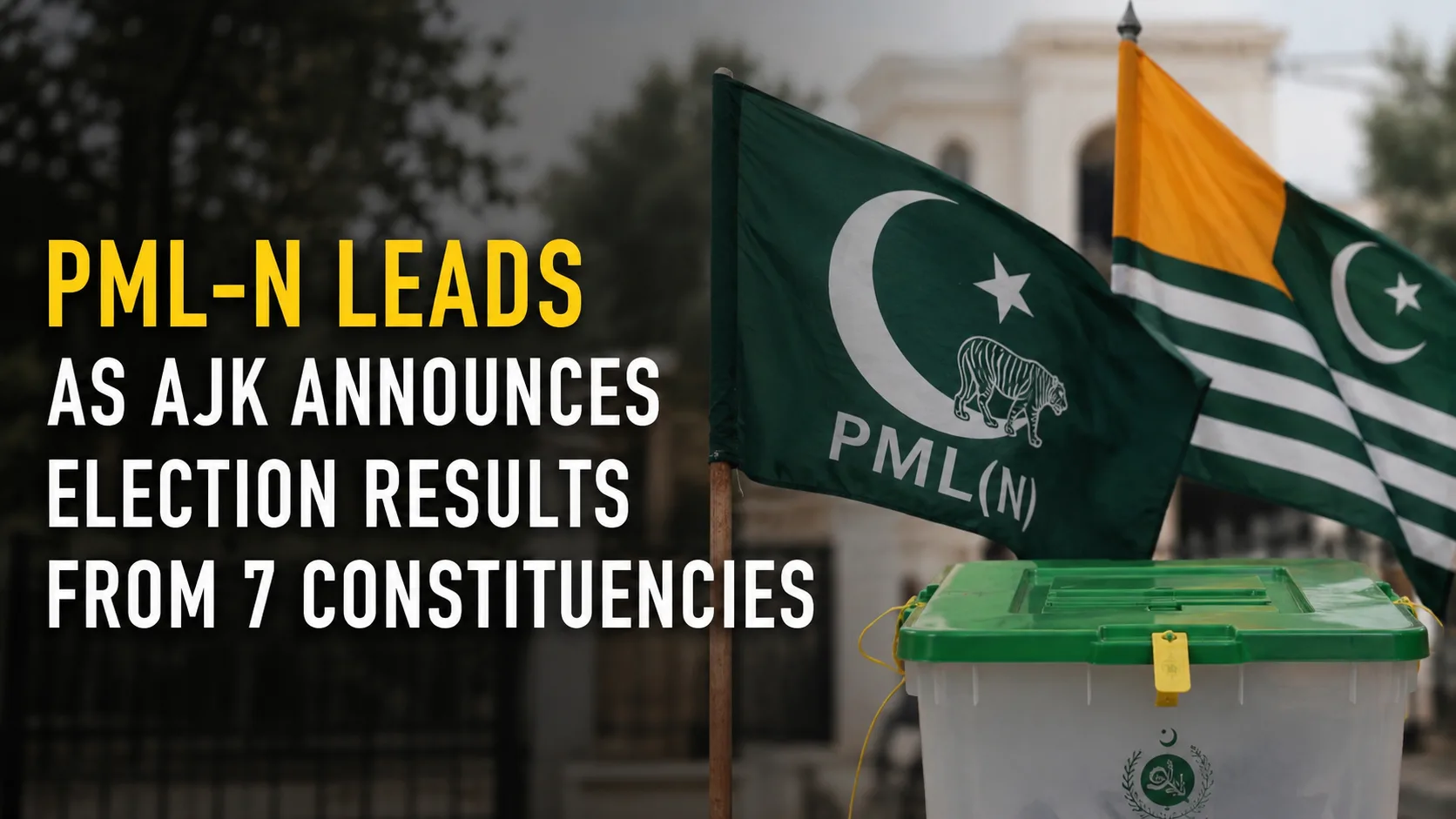
PML-N leads as AJK announces election results from seven constituencies, marking a pivotal moment in regional politics. The political landscape in Azad Jammu and Kashmir (AJK) has undergone a significant transformation with these recent election outcomes that reflect shifting allegiances and burgeoning public sentiment. The Pakistan Muslim League-Nawaz (PML-N) has not only emerged victorious, but its performance in these crucial constituencies also poses implications for national politics. In a region known for its rich political history, these results ignite debates, discussions, and speculations regarding future political alignments and governance strategies. With both seasoned voters and first-time participants reshaping the electoral framework, the leading position of PML-N raises important questions about the future trajectory of AJK and its relationship with mainland Pakistan.
PML-N’s Victory: A Deeper Look at the Results
The election results emerging from AJK reveal that PML-N’s influence is not merely a fluke but rooted in substantial public support. Initial data indicate that voter turnout was notably high in the constituencies where PML-N contestants stood, signaling not just engagement but a clear preference among the electorate. This enthusiasm among voters can be attributed to a variety of factors, including PML-N’s socio-economic initiatives in the region during previous tenures, which have resonated deeply with the voters.
Furthermore, a comparative analysis with prior elections shows a clear upward trend in PML-N’s performance, which is compelling not only for party workers but also for analysts examining electoral behaviors across AJK. The jubilant celebrations by PML-N supporters underscore a notable shift in power dynamics that may redefine traditional voting patterns. Key figures within the party have already started celebrating this success as a potential harbinger of more significant accomplishments in forthcoming political contests.
This election outcome prompts a critical question: How will PML-N harness this momentum? The party’s leadership will undoubtedly draw from this victory to bolster its standing in neighboring regions, which can be either competitive or cooperative as they seek to consolidate their political presence in Pakistan.
Moreover, the impact of PML-N’s victory extends beyond immediate political stakes; it offers an opportunity for the party to refine its image as a progressive force committed to sustainable regional development. The strengthened mandate from AJK can serve as a beacon for advocating comprehensive policies that resonate with both urban and rural voters. By connecting with grassroots and demonstrating a commitment to addressing real issues, PML-N can further cement its authority, not only in AJK but across Pakistan.
Factors Behind PML-N’s Surge in AJK
Several critical factors have contributed to PML-N’s success in these elections. First and foremost is the grassroot connections the party has managed to establish over the years. Strong local leadership, including influential community figures endorsing PML-N candidates, has significantly bolstered their visibility and appeal among the electorate.
Secondly, PML-N has taken a strategic approach to issue-based campaigning, focusing on essential constituents’ needs such as infrastructure development, healthcare accessibility, and educational advancements. These issues remain at the core of voter concerns, and PML-N’s commitment to addressing them has positioned it favorably against competitors.
Additionally, in the context of increasing regional competition, PML-N effectively consolidated its support by forging alliances with smaller local parties. Such collaborations have not only broadened its voter base but also allowed the party to present a united front on critical regional issues. This strategy highlights the importance of coalition-building in modern electoral politics and demonstrates PML-N’s adaptability in a changing political landscape.
The role of youth engagement cannot be overstated in understanding PML-N’s success. By targeting younger demographics through social media and digital platforms, PML-N successfully tapped into the aspirations of a new generation eager for political representation and reform. This demographic shift has been pivotal, as young voters increasingly influence electoral outcomes, pushing parties to adopt more inclusive, forward-thinking policies.
A Historical Perspective on AJK Elections
To fully appreciate the significance of these election results, we must consider the historical context. AJK has often been a politically polarized region influenced by various parties’ dynamics over the decades. Historically, voter preferences have fluctuated significantly, often swinging between major parties like PML-N, Pakistan Tehreek-e-Insaf (PTI), and others.
The previous elections held in AJK were characterized by PTI dominating the political narrative, which highlighted an emerging discontent among voters towards traditional parties. Fast forward to the current elections, PML-N’s victories signal a potential reversal of this trend. This shift might reflect growing disillusionment with PTI among its previous supporters, especially those seeking more immediate and tangible governmental responses to their concerns.
The significance of AJK as a political battleground cannot be overstated. Situated at a strategic crossroads between Pakistan and India, the political decisions made in this region take on heightened significance. Voter preferences here can have profound national implications, influencing broader national policy and party strategies.
Looking back, the historical voting trends in AJK reflect a microcosm of the national political ebb and flow. The region’s political allegiances have often mirrored broader national tensions and movements, affecting how political narratives are constructed on a larger scale. Understanding this historical fabric allows stakeholders to devise strategies that are both reflective and predictive of socio-political transformations.
Implications for National Politics
PML-N’s performance in AJK transcends local politics as it injects new energy into the party’s national ambitions. The party’s significant wins may encourage its leadership to consider broader strategies aimed at regaining lost ground in provinces where it has historically struggled.
Moreover, successful governance in AJK, backed by clear public demand and support, could serve as a model for PML-N’s national campaign strategy. It’s an opportunity for the party to align its policies closely with the electorate’s aspirations, utilizing the results from AJK to showcase its effectiveness and responsiveness.
This recent electoral trend could also reignite competition with PTI, compelling them to reassess their strategies as inter-party competition intensifies. The narrative that centers on accountability, governance, and populist sentiments will become increasingly crucial in this new political landscape.
Further, PML-N’s success in AJK could herald a renaissance in political strategizing, advocating for a pragmatic, development-oriented national agenda. By capitalizing on its stronghold in AJK, PML-N has the opportunity to project itself as a unifying force, transcending regional politics and championing causes resonant with national priorities. This transforming image might fortify its stance against emerging parties attempting to challenge the status quo.
Also Read This Article: Tharparkar Students Achieve 98.1% Pass Rate
The Voter’s Mindset: Analyzing Electoral Behavior
Understanding the voter mindset in AJK is essential to grasp why PML-N has achieved its current standing. Recent polling and qualitative data indicate that voters are increasingly looking for genuine representation, accountability, and policies that directly impact their daily lives.
The electorate in AJK has historically been characterized by its diversity; different ethnicities and communities coexist, leading to a complexity in political allegiance. PML-N has adeptly managed to appeal to a wide demographic by addressing local sensibilities and concerns like ethnic representations in politics and resource allocation.
This election also saw an increase in first-time voters, showcasing a younger demographic eager to vote for change. Engaging this group will be critical for any party’s future elections, transforming how political campaigns are conducted. PML-N’s ability to attract and mobilize younger voters may well dictate its future strategies in consequent electoral contests.
Furthermore, the voter mindset reflects a larger trend toward non-partisan support, driven by a yearning for tangible policy impacts rather than traditional allegiances. In light of increasing political awareness and access to real-time information, voters in AJK seem more inclined toward outcomes-based decision-making, seeking parties and representatives who can promise and deliver on substantive developmental policies.
Challenges Ahead for PML-N
While PML-N’s lead in AJK is noteworthy, it is essential to remember that challenges lie ahead. The party must deliver on promises, and maintain public trust moving forward. The lack of significant achievements in the recent past could haunt them if they fail to address pressing local issues.
Furthermore, inter-party rivalry will linger, particularly from PTI, which is already in the process of recalibrating its strategies in light of PML-N’s recent successes. Expect more aggressive campaigning and perhaps a shift in voter outreach tactics as rival parties seek to regain ground.
Moreover, the dynamics within AJK could change rapidly, influenced by broader national and international events, especially in the context of ongoing regional tensions. Consequently, PML-N must remain agile in its policymaking and governance approaches, ready to adapt to any new challenges that may arise.
Another challenge for PML-N lies in maintaining cohesive internal party dynamics amidst growing expectations. As the spotlight shines brighter on the regional party structure, meeting performance metrics and maintaining discipline will be key to sustaining its current leverage. Balancing individual ambitions and collective goals will play a crucial role in this intricate political dance.
Expectations from PML-N’s Leadership
The expectations surrounding PML-N’s leadership will undoubtedly grow following these election results. Voters look for not just promises but tangible improvements in governance and quality of life. Addressing corruption, enhancing public services, and fostering economic growth are essential bases PML-N must cover to keep voter confidence.
PML-N’s leadership must also prioritize transparency and communication with constituents, an approach that can serve in mitigating any potential backlash against government initiatives. By fostering dialogue with constituents rather than enforcing top-down mandates, the party may find pathways toward lasting relationships with voters.
Ultimately, the true measure of success will rest on PML-N’s ability to translate electoral wins into effective governance, presenting itself as a party of the people rather than merely a political entity. This transformation will be vital for the party’s continued success in both AJK and broader Pakistan.
Furthermore, scaling governmental reforms and showcasing real-time progress through quantifiable metrics will prove vital for safeguarding momentum. Empowering local leaders and leveraging their community connections could also ensure a steady stream of supportive voices advocating for PML-N’s policy agenda. The aim should be to foster a symbiotic political model, driven by mutual trust and shared objectives between leaders and constituents.
The Role of Media and Electoral Transparency
In the context of AJK’s recent elections, the role of media must be highlighted. In an era of rapid information sharing and digital campaigning, PML-N’s media strategy played a crucial role in shaping voters’ perceptions. Candidates utilized social media platforms to connect directly with the electorate, sidestepping traditional media’s potential biases.
This accessibility to information and the ability to engage directly has fundamentally changed voter behaviors and expectations. Voters are now more informed and demanding, expecting detailed accountability from their candidates once in office. The success or failure of any political party in this new environment will heavily depend on its ability to transparently communicate its policies and actions moving forward.
Additionally, media scrutiny will become essential following the election results, holding PML-N accountable for campaign promises. This shift signifies both an opportunity and a challenge, as the media landscape can either bolster the standing of the party or expose shortcomings relating to governance.
Moreover, the integration of traditional and new media presents a compelling challenge and an opportunity for PML-N. Reaching a collective understanding between different generations of voters relies heavily on a unified media strategy, addressing varied concerns across platforms. By harmonizing narratives through cohesive storytelling, the party can achieve synergistic communication, enhancing their relatability and resonance with the electorate.
Conclusion: The Path Forward for AJK and PML-N
The electoral results from AJK, evidencing PML-N’s lead, offer a complex and enriching narrative within Pakistan’s political landscape. This victory not only reshapes the political arena in AJK but has broader implications for national politics, reflecting the electorate’s evolving preferences and priorities. Moving forward, it is imperative for PML-N to seize this momentum by delivering on its commitments and building a transparent, accountable governance model.
The interplay between local responsiveness and national strategies must be well-articulated, with a clear focus on bridging the gap between governmental initiatives and public needs. As AJK continues to navigate its unique socio-political reality, PML-N holds a considerable responsibility in ensuring that public trust is safeguarded through meaningful governance.
Understanding the complexities involved in electoral behaviors, voter expectations, and regional politics will be paramount for any party looking to thrive in AJK’s political landscape. The path ahead is fraught with challenges, but with effective leadership and strategic decision-making, PML-N can leverage its recent success into long-term political viability and influence.
Finally, PML-N must remain steadfast in its commitment to scrutinizing its performance and evaluating the impact of its policies. By fostering constructive feedback loops within its administrative structure, the party can maintain its alignment with the region’s dynamics. As it raises stakes on both regional and national scales, PML-N can endeavor toward realizing a vision founded on integrity, development, and unified governance.
Frequently Asked Questions
What caused PML-N’s success in the AJK elections?
PML-N leads as AJK announces election results largely due to its strong grassroots connections, effective local leadership, and a focus on pressing socio-economic issues that resonate with voters.
How does this election impact PTI’s position in AJK?
The recent election results show a significant challenge for PTI, prompting the party to rethink its strategies as PML-N’s victories indicate a possible shift in voter sentiment.
What are the implications for national politics?
PML-N’s lead in AJK could rejuvenate its national campaign by reflecting a broader appeal among voters, challenging competition within and outside the party.
What challenges does PML-N face moving forward?
While PML-N enjoys a lead after the AJK elections, it must address public expectations for governance and manage competition from rival parties to maintain its position.
How important is media in the electoral process?
The role of media has become increasingly crucial in electoral politics, shaping public perception and holding parties like PML-N accountable for their commitments post-election.




 Muhammad Abdullah |
August 3, 2026
Muhammad Abdullah |
August 3, 2026