





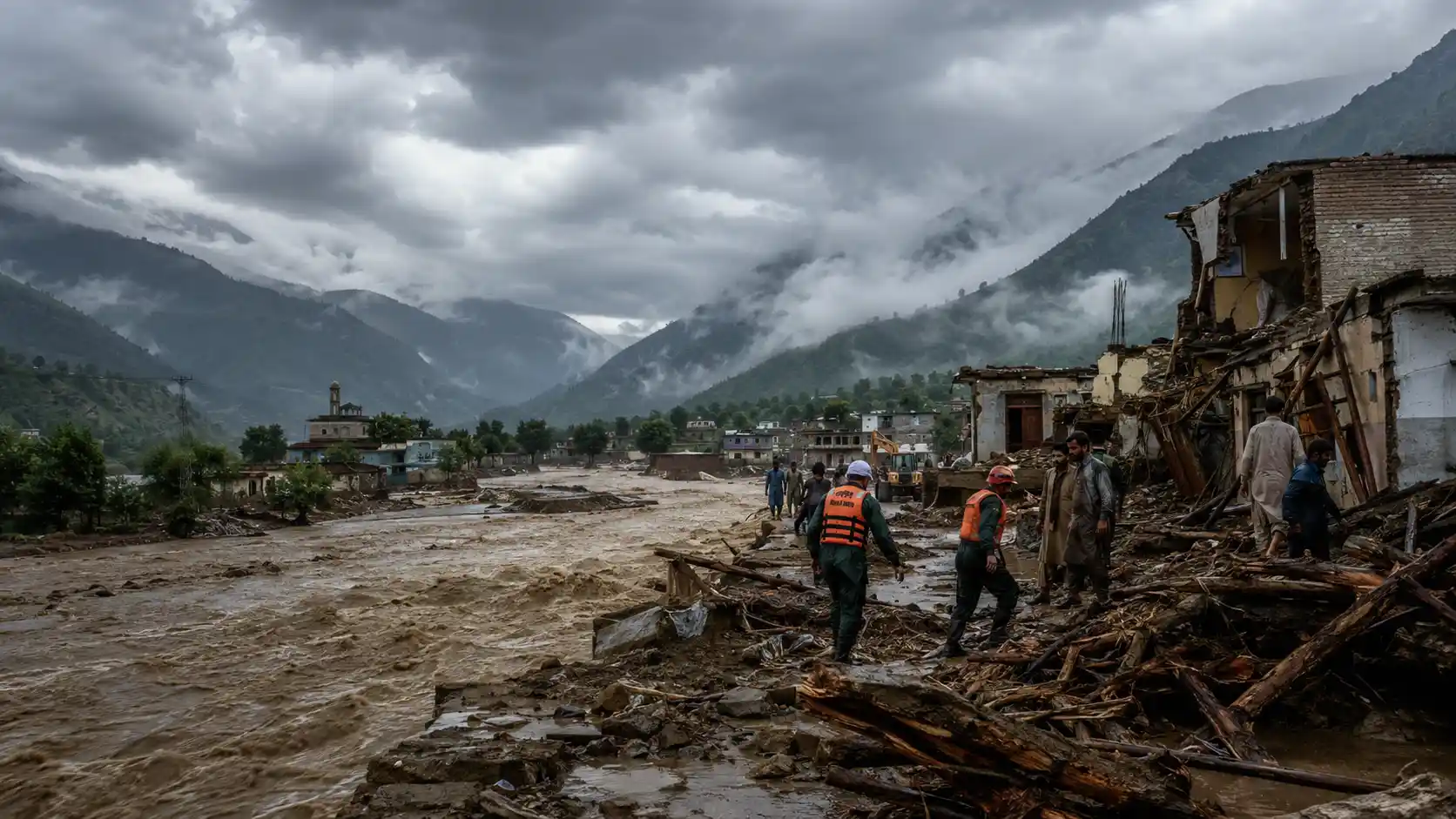

Rain-related incidents have devastatingly left six people dead and two injured in the Khyber Pakhtunkhwa (KP) region. These tragic events underscore the vulnerability of the region to natural disasters and highlight the urgent need for improved infrastructure and disaster preparedness. The sheer unpredictability of weather patterns, combined with inadequate infrastructure, often turns heavy rains into a matter of life and death. This article delves deep into the implications of these incidents, examining the root causes, providing historical context, and exploring potential solutions to prevent future tragedies.
The Scale of Rain-Related Incidents
Rain-related incidents in KP have become increasingly frequent, causing havoc across communities. The recent events mark a grim reminder of the region’s vulnerability, with infrastructure struggling to withstand the pressure of heavy downpours. Roads become impassable, and homes face the risk of damage or destruction, further compounding the difficulties faced by residents. In areas where the infrastructure is already fragile, the consequences of such natural events can be truly catastrophic.
The loss of life illustrates the severe impact that these incidents can have. Emergency services, often stretched thin, struggle to respond effectively, particularly in remote areas where access is difficult. This situation highlights the necessity for bolstered emergency response plans that account for the unique challenges posed by the region’s geography.
The human toll of such incidents cannot be overlooked. Beyond the immediate physical impacts, there are also psychological and economic ramifications. Families are left grieving, communities are disrupted, and the economic burden of recovery can be immense, often taking years to overcome. Effective planning and preparedness are essential to mitigate these impacts in future events.
Additional measures can include developing localized early warning systems that inform residents of impending severe weather. Education campaigns around disaster preparedness have the potential to save lives by empowering individuals and families to take swift, proactive measures.
Historical Context of Natural Disasters in KP
KP has a long history of being affected by natural disasters, particularly due to its geographical and climatic conditions. This region has faced severe floods, earthquakes, and landslides, which have historically caused significant destruction. Understanding this historical context is vital for comprehensively addressing the challenge of rain-related incidents today.
The region’s landscape, characterized by rugged terrain and numerous rivers, makes it prone to flooding. The onset of the monsoon season traditionally elevates the risk as rivers swell and precipitation becomes more frequent. In the past, floods have not only resulted in loss of life but have also devastated communities, leaving scars that last for generations.
As natural disasters have repeatedly shown their ability to reshape the region’s history, there is an urgent need for implementing measures that can mediate such impacts. This includes drawing from lessons learned in past incidents to foster resilience and bolster the defenses against the unpredictable forces of nature.
Looking at historical responses to these disasters can offer vital lessons. Governments and communities need to evaluate past successes and failures to develop a more robust and adaptable framework for disaster management.
Infrastructure Challenges in KP
Infrastructure in KP faces significant challenges, which exacerbate the impact of rain-related incidents. Many of the buildings and roads are not designed to withstand severe weather conditions, making them vulnerable during heavy rains. This inadequacy often leads to widespread devastation when such natural events occur.
The quality of infrastructure is a fundamental concern. Poorly built roads and bridges can easily collapse under the pressure of floodwaters, isolating communities and limiting access to emergency services. Housing, especially in less affluent areas, lacks the resilience needed to protect against heavy rains and strong winds, leaving many exposed.
Investment in infrastructure that meets modern standards of safety and durability is crucial. Strengthening public works and ensuring that new developments are constructed with future environmental challenges in mind could drastically reduce the damage caused by rain-related incidents. Prioritizing this should be high on the agenda for policymakers focused on sustainable development and disaster management.
Encouraging community involvement in infrastructure planning can also lead to more locally adapted solutions. Residents who understand the unique challenges of their environment can offer insights that might be overlooked by external planners.
Environmental and Climatic Factors
The environmental and climatic factors in KP contribute significantly to the region’s susceptibility to rain-related incidents. Climate change appears to be altering rainfall patterns, leading to unpredictable and often severe weather events. These changes require adaptation if communities are to be protected.
Mounting evidence suggests that climate change is intensifying natural disasters. In KP, this has translated into more frequent and intense rainfall events, exacerbating the existing vulnerabilities. The mismatch between the severity of these events and the current infrastructure’s capacity to manage them has laid bare the urgent need for adaptation strategies.
Efforts to understand local climatic changes can inform better planning. By integrating this knowledge into infrastructure development and urban planning, KP can better position itself to handle future weather-related incidents, thereby reducing the human and economic costs associated with them.
In addition, promoting research and investment into climate-resilient agricultural practices can help ensure food security even during adverse weather conditions. This approach serves not only economic interests but also enhances overall community resilience.
The Role of Emergency Services
Emergency services play a pivotal role during rain-related incidents, yet in KP, they face considerable challenges. Limited resources and difficult terrain often hinder their ability to provide timely responses. Enhancing the capability and reach of these services is essential for efficient disaster management.
Training and equipping emergency responders with the necessary tools can significantly improve response times and outcomes. Mobile units capable of reaching remote areas are particularly essential given KP’s geography. Additionally, fostering community-based response teams can aid official efforts, ensuring that immediate assistance is available when needed.
Investing in emergency services not only saves lives but also strengthens community resilience. By forming partnerships between local governments and international aid organizations, KP can enhance its capacity to manage rain-related incidents effectively, thereby reducing the loss of life and property.
The role of technology in enhancing emergency preparedness cannot be understated. Deploying cutting-edge communication tools can help bridge the gap between affected areas and aid providers. This is crucial for streamlining rescue operations and coordinating relief efforts more efficiently.
Community Preparedness and Resilience
Building community preparedness and resilience is an integral part of addressing rain-related incidents. Empowering communities through education and resources can significantly mitigate the impacts of natural disasters. This proactive approach involves engaging locals in disaster preparedness initiatives.
Educational programs that teach families how to prepare for emergencies, like creating action plans and emergency kits, can greatly enhance resilience. Moreover, community drills simulate potential scenarios, helping residents understand their roles and responsibilities during an emergency.
Strengthening social networks and fostering a culture of preparedness ensures that communities are better equipped to respond to and recover from incidents. This holistic approach not only improves outcomes during disasters but also promotes long-term community solidarity and cooperation.
Incorporating traditional knowledge into modern preparedness practices can also enhance resilience. Local communities often possess valuable insights into coping strategies that have been passed down through generations.
Government Initiatives and Policies
The government plays a crucial role in mitigating the impacts of rain-related incidents through effective policymaking and initiatives. Identifying and addressing the institutional shortcomings that exacerbate these events must be a priority.
Investing in research and development for infrastructure improvements is one avenue through which the government can act. Creating policies that incentivize sustainable development and disaster-resistant construction can build a more resilient society in the long term.
Engaging with international bodies for knowledge exchange and financial support can also bolster local efforts. By implementing robust policies and fostering collaboration, the government can significantly reduce the impact of future rain-related incidents on the people of KP.
Moreover, establishing funding mechanisms specifically targeted at disaster risk reduction can expedite the implementation of preventive measures. Such investments not only alleviate immediate risks but also promote a culture of safety and accountability.
International Aid and Collaboration
International aid and collaboration offer invaluable support in managing rain-related incidents in KP. Many organizations provide not only immediate relief but also long-term strategies for building resilience against future disasters.
Collaborating with international partners can bring in crucial expertise and resources that may not be available locally. Programs focused on infrastructure development, emergency service training, and climate adaptation are just some ways international collaboration can benefit KP.
These partnerships can also drive technological advancements and innovation, enhancing monitoring and predictive capabilities. By leveraging these global connections, KP can better prepare for and respond to rain-related incidents, ultimately reducing their adverse impact on communities.
Joint exercises and simulation programs with international experts can enhance local capacity and ensure that KP’s response mechanisms are on par with global standards. Such collaboration also fosters cultural exchange and mutual learning opportunities.
Path Forward for KP
Looking forward, it is clear that addressing rain-related incidents in KP requires a multifaceted approach. Strengthening infrastructure, enhancing emergency services, and promoting community resilience must be central to efforts aimed at reducing the impact of such disasters.
Emphasizing climate adaptation and investing in sustainable development are critical steps toward ensuring a more resilient future. By integrating these strategies into current practices, KP can better safeguard its communities against the increasingly severe challenges posed by natural disasters.
Through concerted efforts across all sectors and levels of government, alongside international support, KP can mitigate future risks, preserving lives and livelihoods. The tragedies of rain-related incidents serve as a call to action, urging all stakeholders to prioritize proactive measures and collaborative solutions.
Engaging youth and fostering innovation in disaster management can lead to the development of more effective strategies. Harnessing the creativity and enthusiasm of younger generations initiates a cultural shift towards prevention and resilience.
Frequently Asked Questions
What caused the rain-related incidents in KP?
The incidents were primarily caused by heavy rainfall, exacerbated by inadequate infrastructure and preparedness in the region.
How are rain-related incidents impacting KP?
They result in loss of life, infrastructure damage, and economic disruption, highlighting the need for better disaster management and preparedness.
What measures can be taken to prevent such incidents?
Improving infrastructure, enhancing emergency services, and promoting community preparedness are key measures to mitigate future risks.
How is climate change affecting KP’s weather patterns?
Climate change is causing more frequent and intense rainfall, posing new challenges and increasing the susceptibility to rain-related incidents.
What role do international partners play in disaster management in KP?
International partnerships provide expertise, resources, and financial support, aiding in relief efforts and long-term resilience building in the face of rain-related incidents.