







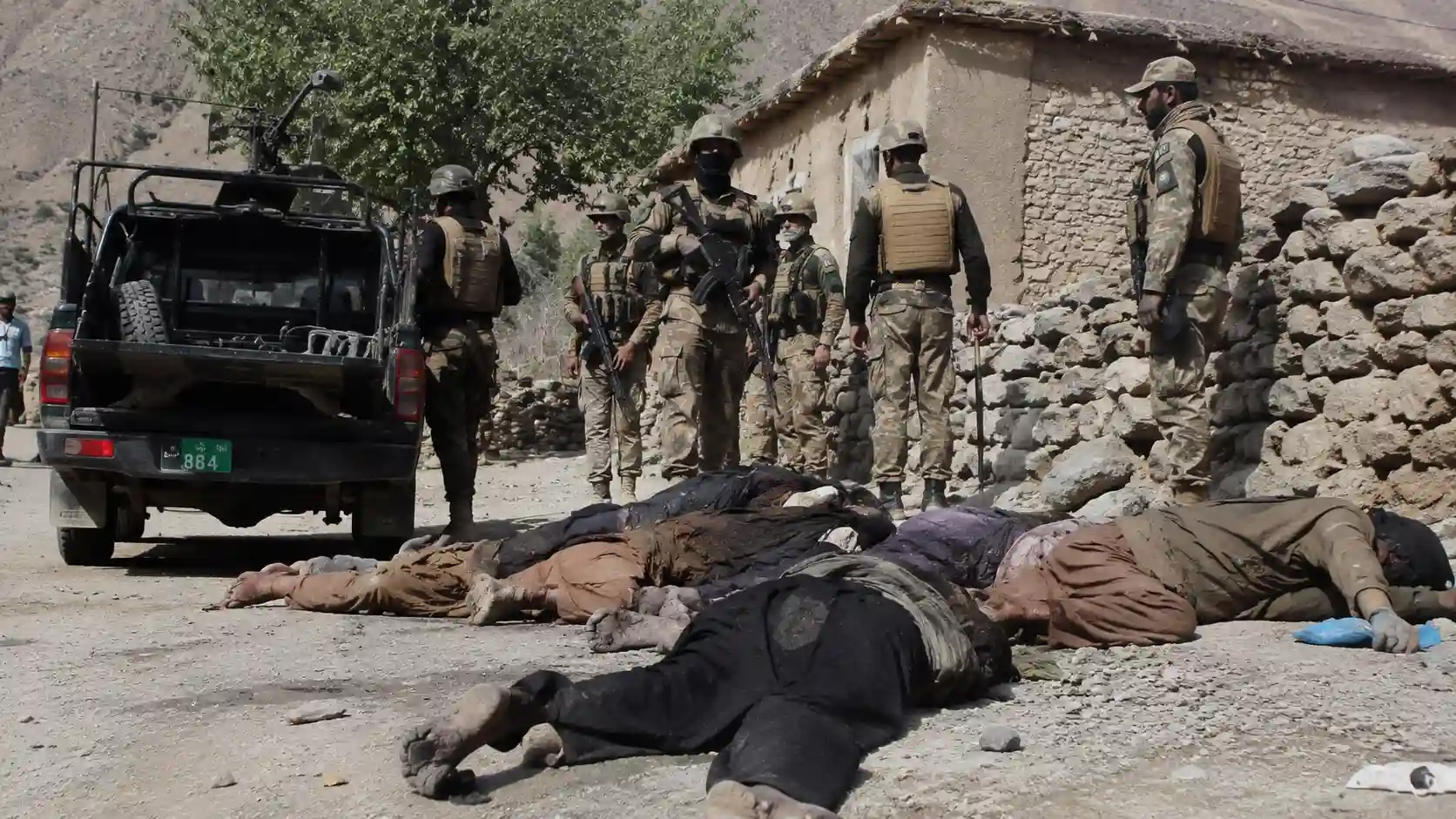

Recent military actions have led to significant developments in the fight against terrorism in Pakistan, with several terrorists killed in IBOs in Lakki Marwat. These intelligence-based operations, often abbreviated as IBOs, have become a critical component in Pakistan’s counter-terrorism strategy. The operation in Lakki Marwat underscores the government’s ongoing commitment to combating extremism and ensuring the safety of its citizens. With militant groups continually adapting to countermeasures, the efficacy of these IBOs raises important questions about the broader implications for national security and regional stability.
Understanding the Context of IBOs in Lakki Marwat
Lakki Marwat, located in the Khyber Pakhtunkhwa province, has been a hotspot for militancy over the years. Following multiple attacks and skirmishes, security forces have intensified their efforts in the region. The background of these operations reveals a troubling narrative: local communities often suffer from the violence perpetrated by extremist factions. Hence, understanding the context surrounding the recent killings of terrorists in IBOs in Lakki Marwat is essential for realizing the gravity of this issue.
The strategic choice to conduct intelligence-based operations stems from the need to minimize civilian casualties while effectively neutralizing terrorist threats. This approach is aligned with the military’s broader strategy to dismantle terrorist networks that have thrived in the area. Historically, security forces have faced significant challenges due to the rugged terrain and local tribal dynamics. By undertaking IBOs, they can target specific individuals or groups with a degree of precision that previous, broader operations lacked.
The tactical implementation of IBOs also highlights lessons learned from past counter-terrorism operations. The shift towards using intelligence-driven data emphasizes the importance of local informants and intelligence agencies, ensuring that operations disrupted criminal activities without causing collateral damage. As a result, the killings of terrorists in IBOs in Lakki Marwat stand not just as isolated incidents but as part of a larger strategy to stabilize the region.
Beyond the immediate tactical advantages, these operations also have deep-seated symbolic significance. They represent the persistent resolve of the state to not only react to but also pre-emptively thwart terrorist activities. This approach helps establish a psychological edge over militant factions, often relying on unpredictability and surprise as strategic tools.
Moreover, the operations are also indicative of the complex interplay of local governance and military strategy. Local administrations often have to balance between maintaining order and respecting cultural and tribal sensitivities. The delicate nature of such dynamics cannot be underestimated, as any missteps could potentially escalate into broader conflicts, pulling the focus away from strategic counter-terrorism goals.
The Importance of Intelligence-Based Operations (IBOs)
Understanding why several terrorists were killed in IBOs in Lakki Marwat requires an appreciation for the role that intelligence plays in modern warfare. Unlike traditional engagements, IBOs rely heavily on accurate and actionable information to execute operations with high efficiency. This methodology is crucial for targeting specific threats while navigating the complex socio-political landscapes that exist within Pakistani provinces.
One key advantage of IBOs is the reduced risk to civilian lives. By meticulously gathering intelligence, security forces can pinpoint terrorist hideouts, thereby minimizing collateral damage. This is particularly important in areas like Lakki Marwat, where the majority of civilians do not wish to be entangled in conflict yet often bear the brunt of violence from extremist groups. The operations aim not just to capture or kill terrorists but also to protect communities from the influence and retaliation of those militant factions.
IBOs are also instrumental in furthering diplomatic narratives. Successful operations demonstrate a commitment to security that can strengthen local and international support for Pakistan’s counter-terrorism efforts. By neutralizing terrorist threats swiftly and effectively, the government can reassure its citizens and allies that it is making tangible strides toward peace and stability in the region.
In addition, information credibility and the timely sharing of intelligence play critical roles in these operations. The reliability of human intelligence sources, coupled with advanced surveillance technology, ensures that actions taken are as precise as possible. This precision reduces the margin of error, which is crucial in a landscape filled with potential allies and adversaries within civilian populations.
Moreover, successful IBOs are emblematic of the seamless coordination required between multiple arms of security and intelligence agencies. Such operations often necessitate real-time decision-making and rapid deployment, indicating a high degree of operational readiness. The synchronization of tactical units and strategic command structures is what enables IBOs to achieve their objectives with minimal disruption to civilian life.
The Historical Context of Militancy in Lakki Marwat
To fully understand the ramifications of the recent IBOs, one must delve into the historical context of militancy in Lakki Marwat. Once a tranquil region, the area has been marred by ethnic and tribal strife exacerbated by the rise of extremist ideologies. Over recent decades, the infiltration of militant groups into the area has complicated the security landscape, creating a perfect storm for conflict.
The advent of the Taliban and other similar groups has led to increasing local recruitment and radicalization. Socio-economic disparities, a lack of governance, and tribal allegiances have allowed these groups to entrench themselves deeply within community structures. As these dynamics unfolded, local populations found themselves trapped between the forces of law and order and extremist factions, leading to further destabilization.
By investigating previous engagement patterns, one can see the transformation of IBOs from mere retaliatory measures to pre-emptive strikes aimed at disrupting terrorist activities before they can escalate. The recent operation resulting in the deaths of terrorists indicates a crucial shift in approach emphasizing proactive measures over reactive ones, a necessary evolution in the face of shifting militant tactics.
The roots of militancy in this region can be traced back to broader geopolitical tensions and the legacy of conflict zones nearby. Historically, the strategic location of Lakki Marwat has made it a vital crossroad for various militant factions seeking to establish logistical and operational bases. This longstanding presence of militancy has disrupted local governance, strained social infrastructures, and perpetuated cycles of violence.
Additionally, the blend of traditional tribal hierarchies with modern militant ideologies has further complicated counter-terrorism efforts. Tribal loyalty often supersedes governmental influence, making the task of dislodging militant groups even more challenging. Such dynamics have necessitated a more nuanced approach in operations, integrating traditional conflict resolution methods with contemporary security measures.
Victories and Challenges: What the Recent Operations Mean
The recent operations in Lakki Marwat, resulting in several terrorists killed in IBOs, can be viewed through the lens of both victory and challenge. While the immediate implications are largely positive in terms of security, there remain long-term questions that require detailed examination. Every successful operation bolsters the morale of security personnel and the public but simultaneously illustrates the adaptive nature of militant forces.
Victories like these should ideally diminish the operational capabilities of extremist organizations. Nonetheless, it’s crucial to recognize that militancy is often a hydra; for every slice that is taken off, new heads can regrow. Responses from terrorists or extremist leaders to such operations often manifest in two ways: attempts to regroup or retaliate against security forces and civilians. Both of these scenarios are pertinent as they pose risks to ongoing peace efforts in the area.
Beyond immediate physical threats, these encounters raise questions about the psychological ramifications for local communities. Although recent IBOs demonstrate the potential for effective counter-terrorism measures, communities are often left with deep psychological scars after continuous violence. Efforts should be directed not only at intelligence-gathering and operations but also at community reconciliation and rebuilding trust to encourage sustainable peace.
The aftermath of these operations also presents logistical challenges. Security forces need to maintain a continuous presence to ensure the area remains stabilized and to deter resurgent militant activity. This involves not only military occupation but also the provision of essential services to rebuild communities and prevent extremist influence from filling any governance void.
On a strategic level, the success of these operations serves as a litmus test for broader military and political strategies. It emphasizes the need for a resilient yet adaptable counter-terrorism framework capable of addressing both the immediate threats and the root causes that drive militancy. Thus, continuous evaluation, strategic innovation, and sustainable local development are essential components of a successful strategy.
Also Read This Article: Expanding Strategic Railway Partnership between Pakistan and Türkiye
International Reactions to IBOs in Lakki Marwat
The response to the killings of several terrorists in IBOs in Lakki Marwat extends beyond local politics and culture; international observer reactions play a significant role in shaping public discourse and geopolitical relationships. Many global stakeholders maintain a vested interest in Pakistan’s struggle against terrorism due to its implications for regional stability and broader global security.
Positive reactions typically center around the effectiveness of Pakistan’s security strategies. Governments and organizations involved in counter-terrorism efforts may view success in IBOs as an encouraging sign of Pakistan’s cohesion and resilience against extremist ideologies. Conversely, there may be critiques of the methods deployed, calling for greater accountability and caution in the execution of military operations.
Furthermore, media portrayal of such incidents influences public perception. News reporting often shapes narratives around nationalism, security threats, and state accountability, potentially either legitimizing or demonizing the military’s actions in the eyes of the public and international observers. Objective reporting and analysis are essential to inform global perspectives and ensure a balanced understanding of the complexities involved.
International relations are invariably affected by the outcomes of such operations. Successful operations can bolster diplomatic ties with countries sharing mutual concerns about terrorism, potentially leading to increased cooperation and intelligence-sharing agreements. Conversely, any perceived missteps or collateral damage could draw international criticism, leading to strained relations and increased scrutiny of Pakistan’s counter-terrorism tactics.
The geopolitical context also plays a critical role in how these operations are perceived globally. In an increasingly interconnected world, victories in counter-terrorism in one region can set precedents for others facing similar challenges, reinforcing global counter-terrorism networks and collaborations.
Community Perspectives on Recent Operations
The local communities in Lakki Marwat have a unique viewpoint on the events surrounding the deaths of several terrorists in IBOs. For many residents, the experiences of loss, fear, and sometimes relief hold tremendous sway over public opinion. The relationship between security forces and local populations is often fraught with tension, manifested through varying opinions on the necessity and efficacy of military actions.
Some community members may view the recent operations as vital in reclaiming their neighborhoods from the influence of terror. Others, however, may harbor suspicions about the operations, questioning the motives of security forces and fearing potential backlash from militant groups. It is this duality a mix of relief and concern that informs local sentiment and shapes future responses to security measures.
Therefore, in the aftermath of such operations, it becomes essential to engage in dialogues with local populations. Listening to community concerns, providing avenues for expression, and ensuring accountability from military forces can help build bridges of trust. This, in turn, could lead to a more cooperative relationship between the state and its citizens, paving the way for sustainable peace and security.
Addressing the socio-economic challenges faced by these communities is equally vital. Long-term success in counter-terrorism is closely tied to improving educational opportunities, healthcare access, and economic prospects for residents. Community engagement initiatives should focus on involving local leaders in decision-making processes, thereby fostering a sense of ownership and shared responsibility for regional stability.
The psychological aspect of counter-terrorism efforts cannot be overlooked. Continuous exposure to violence can lead to long-lasting trauma, necessitating mental health support and community healing initiatives. These efforts, combined with tangible improvements in living conditions, are critical to breaking the cycle of poverty and extremism that often fuels recruitment into militant groups.
The Implications for Pakistan’s Counter-Terrorism Strategy
From the recent operations, it’s clear that the landscape of counter-terrorism in Pakistan is evolving. The deaths of several terrorists in IBOs in Lakki Marwat serve as a critical reminder that dynamic strategies must be employed consistently. As extremists employ new tactics to evade detection, Pakistan’s military and intelligence agencies must likewise adapt to maintain effectiveness.
These operations reveal a strong reliance on technology and inter-agency cooperation, both of which are fundamental for intelligence accuracy and operation success. The importance of seamless communication between various branches of the military and law enforcement cannot be overstated, as such collaboration can amplify operational effectiveness while preserving civilian safety.
Additionally, there is a growing recognition of the necessity for a multi-faceted approach to counter-terrorism. The deployment of IBOs should not be viewed as an isolated strategy but rather as part of a comprehensive counter-insurgency campaign that addresses economic, social, and political factors contributing to extremism. It is essential for Pakistan to invest not only in military measures but also in social reforms, economic opportunities, and educational initiatives that can dissuade individuals from joining extremist groups.
The nuances of Pakistan’s geography and demography further complicate counter-terrorism efforts. The diverse ethnic and cultural mosaic necessitates tailor-made strategies that respect local customs while enforcing state laws. Consequently, successful operations often depend on the delicate balance of local engagement and centralized control.
Furthermore, the challenges of integrating counter-terrorism strategies within the existing legal and political frameworks call for ongoing reforms. Strengthening the judiciary system and ensuring that legal avenues are available to handle terrorism-related cases effectively can enhance the credibility and success of broader counter-terrorism strategies.
Looking Ahead: The Future of Security in Lakki Marwat
The future of security in Lakki Marwat largely hinges on the efficacy of operations like those recently conducted and the broader strategy that Pakistan chooses to adopt moving forward. While the recent killings of terrorists in IBOs mark a significant milestone, they should not be seen as an endpoint but rather a step in a longer journey toward stability.
Long-term peace will depend on how effectively the government addresses underlying issues that fuel militancy, including unemployment, lack of education, and tribal conflicts. Engaging local communities in rebuilding efforts is crucial; without their participation, efforts undertaken solely by security forces may be met with resistance or skepticism.
Furthermore, continuous evaluation and adaptation of counter-terrorism approaches will be essential as groups evolve in response to Pakistani military actions. The balance between aggressive military operations and community engagement will play a critical role in shaping the long-term security landscape of Lakki Marwat.
The role of regional cooperation cannot be understated when considering future security frameworks. Collaborative efforts with neighboring countries aimed at securing borders and sharing intelligence will be pivotal in dismantling cross-border terrorist networks that exploit geographical complexities.
Moreover, technology will continue to play a pivotal role in future security strategies. Investments in surveillance, data analytics, and communication technologies will provide the edge needed to stay ahead of emerging threats, allowing for timely interventions and efficient resource allocation.
Conclusion
In summary, the death of several terrorists in IBOs in Lakki Marwat highlights ongoing efforts to combat extremism in Pakistan. These operations symbolize a turning point; yet, they also raise essential questions about future strategies. While tactical victories against terrorists can yield immediate benefits, addressing the underlying causes of terrorism is crucial for achieving lasting peace. By investing in community trust, economic development, and education, Pakistan can reduce recruitment into extremist factions and foster a culture of resilience against militancy.
The recent IBOs represent more than just military action; they are a reflection of the gradual evolution of counter-terrorism strategies tailored to the unique challenges facing the region. This adaptability will be key to the enduring security of not just Lakki Marwat, but for all of Pakistan as it navigates the complexities of modern-day militancy.
Frequently Asked Questions
What are IBOs and their significance in counter-terrorism?
IBOs, or intelligence-based operations, are targeted military actions aimed at neutralizing specific terrorist threats. The recent success of IBOs in Lakki Marwat demonstrates their importance in minimizing civilian casualties while effectively combating militants.
How does the local community view the recent killings of terrorists?
The local community has mixed feelings regarding the recent killings of terrorists in IBOs. While some see it as a victory for security, others express concern about potential repercussions and the ongoing violence in the region.
How have historical events shaped militancy in Lakki Marwat?
Historical strife and various socio-economic factors have fostered an environment conducive to militancy in Lakki Marwat. Understanding this background is crucial for addressing the roots of extremism effectively.
What role do international perspectives play in this situation?
International perspectives can shape public discourse around Pakistan’s counter-terrorism strategies. Positive reactions may bolster support, while criticisms can raise concerns about military accountability during operations like those in Lakki Marwat.
What does the future hold for security in Lakki Marwat?
The future security landscape in Lakki Marwat will likely depend on the effectiveness of ongoing operations and the broader context of community engagement and socio-economic development.