





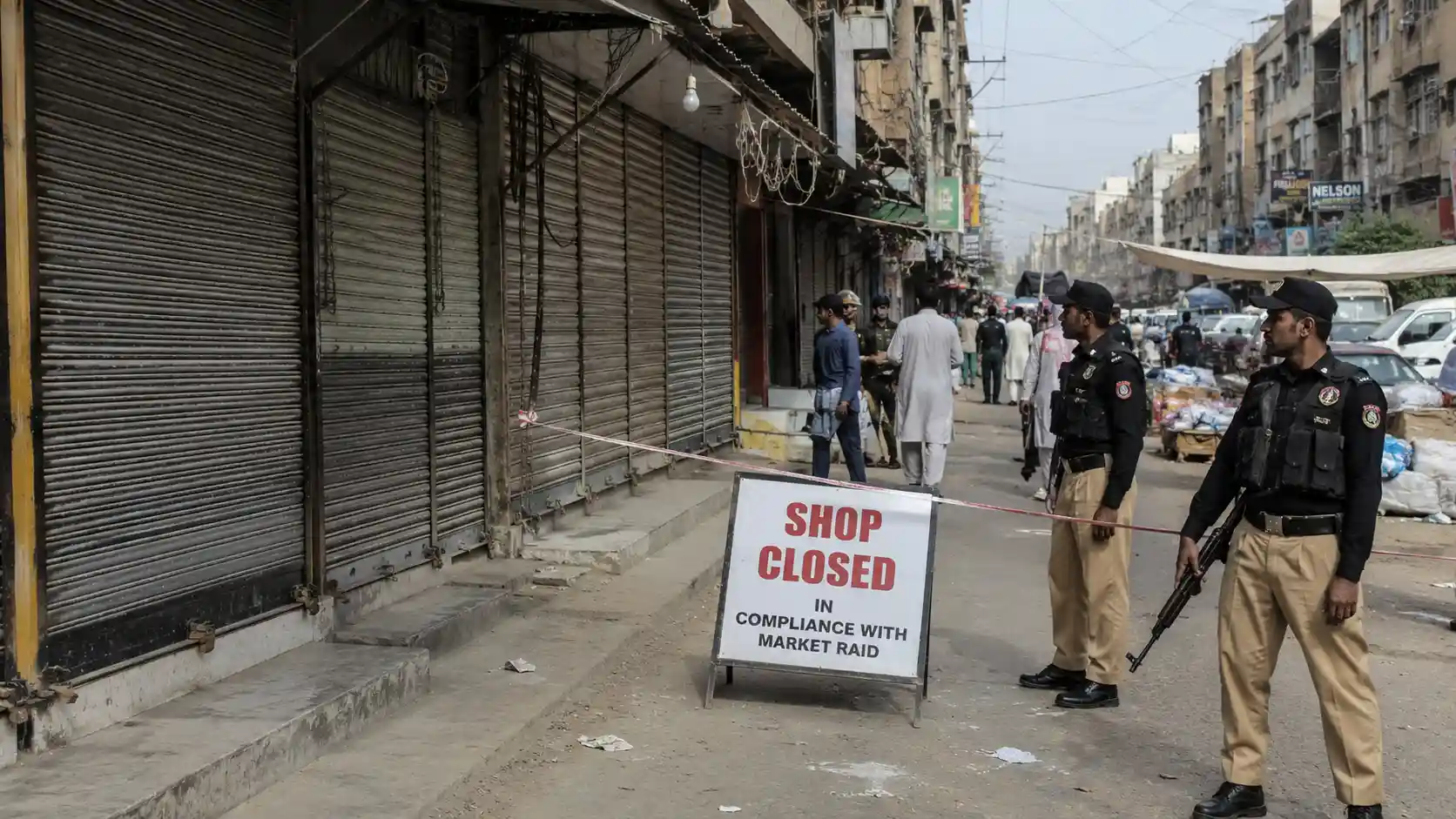

The recent Karachi market raids have significantly impacted wholesalers, causing many to shutter down their operations. These raids, aimed at cracking down on illegal activities, have left the economic landscape tumultuous, with ripple effects seen across various sectors. Wholesalers, an essential component of the city’s trade network, find themselves navigating uncertainty amid these heightened law enforcement efforts. The situation unveils a complex web of challenges and implications worth exploring in depth.
The Background of Karachi Market Raids
Karachi, Pakistan’s largest city, is a bustling hub of economic activity. However, in recent years, it has also been a focal point for various forms of illegal trade and smuggling. The government and law enforcement agencies have recognized the need to curb these activities, prompting widespread raids across multiple markets. These raids are part of a broader initiative to enforce regulations and maintain order.
Historically, the markets of Karachi have thrived with minimal intervention, but this laissez-faire approach also invited numerous illegal operations. From counterfeit products to unregistered goods, the shadow economy flourished, ultimately prompting this crackdown. The government’s aggressive stance is not without reason, as unchecked trades could lead to severe economic imbalances.
These raids are seen as both necessary and controversial. While their intent is to purify the market environment, the implications for the small businesses and wholesalers who drive the city’s economy are profound and garner varied reactions.
The historical context of market raids globally suggests a pattern. Cities like New York and London have implemented similar strategies, and although they effectively reduced illegal activities, they also led to temporary economic disruptions. Karachi’s experience is unfolding in a comparable landscape, where the balance between regulation and economic vitality remains delicate.
In terms of governmental strategy, the choice of markets targeted in the Karachi raids illustrates a multifaceted approach. High-traffic markets, often those more susceptible to illegal trading, have been prioritized, however, this has raised concerns among traders regarding fairness and transparency in the selection process.
Impact on Wholesalers’ Operations
The immediate consequence of the Karachi market raids is the shuttering of wholesale operations. Wholesalers, who supply a vast array of goods to retailers and businesses, play a pivotal role in the supply chain. The closure of these operations leads to a chain reaction affecting numerous downstream enterprises.
For wholesalers, these disruptions mean lost revenue, wasted inventory, and strained relationships with partners. The sudden cessation of business can have lasting effects, particularly for small to medium enterprises that lack the financial cushioning to absorb such shocks.
Moreover, these raids have instilled a climate of fear and uncertainty. Wholesalers now face the constant threat of raids, making it difficult for them to plan long-term investments or expansion strategies. The focus has shifted to compliance and survival, diverting attention and resources from growth and innovation.
Wholesalers are now reconsidering their operational models. Many are transitioning from traditional market setups to e-commerce platforms as a strategy to reach customers directly and mitigate losses. This shift, though challenging, offers a platform for wholesalers to diversify their market presence and minimize risk exposure.
The socio-economic domain of wholesalers is also evolving. Networking within the community has become crucial to share strategies on compliance and to form collective bargaining fronts. The support from trade associations in providing legal guidance and continuing advocacy is helping members navigate this turbulent period.
Economic Ripple Effects of Market Raids
The closure of wholesale operations extends its impact beyond the immediate traders to the broader economy of Karachi. Retailers, dependent on timely supplies, now struggle to meet consumer demand. This supply chain disruption can lead to increased prices, further burdening consumers who already face economic challenges.
Moreover, the reduction in available goods in the market can stifle competition, leading to monopolistic practices and reducing the variety of products available to consumers. The market raids, though aimed at eradicating illegal activities, inadvertently risk creating an environment where legitimate businesses find it hard to thrive.
The economic deterrents also discourage foreign investment. An unstable market environment with unpredictable government intervention makes it less attractive to potential investors, thereby affecting overall economic growth and reducing job opportunities.
An additional consideration is the informal economy that these raids are shaping. With legal avenues facing higher scrutiny, there is potential for a parallel market to develop, where goods and services might not meet standards or taxation requirements, further fragmenting the economy.
Furthermore, the increase in compliance costs for businesses forces them to pass these additional expenses to consumers. This inflationary pressure can have broader economic implications, affecting everything from consumer purchasing behaviors to overall economic confidence in the city.
Legal and Compliance Challenges
Law enforcement agencies claim their crackdown on illegal activities is justified, emphasizing the need to adhere to legal standards. However, the perception from wholesalers and traders varies. Navigating the complex landscape of legal requirements is challenging, particularly in a market characterized by ambiguity and often overlapping regulations.
Businesses now face an uphill task of auditing their internal processes to ensure compliance. The cost of compliance upgrading infrastructure, training personnel, and engaging in bureaucratic procedures can be a burden, particularly for smaller players in the market.
The demanding scrutiny also raises concerns about potential abuse of power. Reports of selective raids and disproportionate penalizations highlight the need for transparent and fair enforcement procedures to prevent potential misuse of authority.
The legislative environment in which these operations take place is under constant scrutiny. Traders are calling for a more streamlined regulatory framework that incorporates clear guidelines and regular reviews to adapt to the dynamic economic environment.
Legal assistance is becoming essential for businesses. Many companies are now seeking regular legal consultations to ensure operations remain within the confines of the law, yet this also represents an increased operational cost, which smaller players find difficult to bear.
Also Read the Article: Gadap Heist: Family Loses 80 Million in Valuables
Social Implications and Community Response
The impact of the Karachi market raids extends into the social sphere, affecting thousands of workers and their families who depend on wholesale markets for their livelihoods. The sudden closures and job insecurity contribute to social unrest and instability within the community.
Community leaders have voiced concerns regarding the socioeconomic implications of these raids. The need for solutions that address illegal activities without dismantling existing economic structures is evident. Proposals for alternative dispute resolutions and the establishment of forums for dialogue between traders and authorities are gaining traction.
The collective community response emphasizes the importance of transparency and cooperation. Activating community networks to support those affected and advocating for fair practices are steps suggested to mitigate the social strife that follows economic disruptions.
The socio-cultural fabric of Karachi is marked by resilience, a feature that is once again being leveraged as communities come together to strategize for alternative forms of livelihood restoration. Cooperative societies and informal workgroups are surfacing with micro-funding initiatives aimed at supporting affected families.
Educational institutions and NGOs are playing a pivotal role by offering retraining programs to workers displaced by the raids, thereby providing them with new skills for different sectors that promise stability and growth.
Comparing Historical Precedents
The use of market raids to control illegalities is not new, with historical precedents offering insights into their effectiveness and challenges. Many international cities have faced similar scenarios where government interventions were necessary to regulate market activities.
Lessons from these precedents indicate mixed results. While some achieved their goals of curtailing illegal trades, others witnessed the proliferation of underground markets. The difference often lies in the implementation and the support structures for affected businesses.
Analyzing previous cases, the importance of strategic planning, community engagement, and the availability of alternative avenues for affected workers, emerge as critical factors determining the success of such initiatives. Karachi can learn from these instances to better navigate the complexities of current market dynamics.
For example, the market reforms in Singapore and Hong Kong are frequently cited, showcasing how clear policies, community involvement, and provision for transition periods contributed to smoother integrations of regulatory demands without stunting economic growth.
The story of Mexico City also provides a cautionary tale where abrupt enforcement led to significant social unrest. This underscores the need for a cautious approach that weighs enforcement against potential economic backlash.
Possible Solutions and Future Outlook
To prevent further economic instability, stakeholders are exploring a range of solutions to address the challenges exposed by the Karachi market raids. One approach involves the gradual implementation of enforcement measures, allowing businesses time to adapt to new regulations.
Another solution is improving communication between authorities and business owners. Regular consultations could minimize misunderstandings and foster a mutual understanding of compliance requirements.
Looking to the future, establishing a more robust framework to assist small and medium enterprises in navigating legal channels, obtaining necessary licenses, and accessing markets transparently, can contribute to a more resilient economic environment.
Policy reforms focused on sustainability and equitable growth, which encourage investment into modernization and infrastructure, might also buy more goodwill among traders who feel the current raids target industries harshly without recognizing individual compliance efforts.
The introduction of economic zones with lighter regulations and incentives could catalyze innovation within a controlled environment, where both law enforcement and economic activities can co-exist with mutual benefits.
The Role of Technology in Market Regulation
Technology offers promising solutions to some of the challenges faced by Karachi’s markets. Digital platforms for licensing and compliance can streamline processes, reducing the bureaucracy that businesses currently navigate. Moreover, technological interventions like blockchain can enhance transparency in trade activities, helping to ensure legal compliance and traceability in supply chains.
The integration of technology in regulatory frameworks could also mitigate potential corruption and foster accountability, creating a fairer environment for all market participants.
The adoption of Artificial Intelligence for predictive analytics and monitoring market behaviors can offer real-time data that helps authorities and businesses forecast trends and compliance needs efficiently.
Additionally, mobile applications offering real-time updates on regulatory changes, requirements, and support systems can provide traders with immediate access to critical compliance information, thus reducing uncertainty.
Wholesalers’ Adaptation Strategies
In response to the ongoing challenges, some wholesalers in Karachi are exploring adaptive strategies to sustain their businesses. Diversifying product lines, seeking alternative markets, and enhancing operational efficiencies are some tactics being employed.
Collaborative efforts among wholesalers are also emerging as a strength, where sharing knowledge and resources can buffer against individual vulnerabilities.
The willingness to adapt and innovate, driven by necessity, could ultimately lead to a transformation in Karachi’s wholesale markets a rejuvenation that, despite stemming from disruption, could breed resilience and future growth.
Networking and forming cooperatives for collective bargaining also provide avenues for wholesalers to remain competitive, offering them leverage against larger conglomerates and ensuring better market rates.
There is also a shift towards sustainable business practices, with an emphasis on eco-friendly and ethically sourced products, tapping into niche markets previously unexplored by traditional traders.
Conclusion
The Karachi market raids have highlighted the intricate balance between law enforcement, economic stability, and social welfare. While the intent to curb illegal activities is crucial, the methods of execution and the resultant impacts on wholesalers and the larger community require careful consideration and sensitive handling.
As the situation continues to unfold, the need for transparent governance, inclusive decision-making processes, and effective communication between stakeholders becomes evident. By addressing these challenges, Karachi has the opportunity to shape a more equitable and sustainable market environment, benefiting both its economy and its people.
Frequently Asked Questions
What initiated the Karachi market raids?
The Karachi market raids were initiated to combat illegal trade and smuggling activities, aiming to maintain legal compliance and economic order.
How have wholesalers been affected by these raids?
Wholesalers have faced significant disruptions, including business closures, revenue loss, and an environment of uncertainty affecting future growth.
What economic impacts have resulted from the raids?
The raids have led to supply chain disruptions, affecting retailers, increasing prices, and discouraging foreign investment due to market instability.
Are there any legal challenges faced by businesses?
Yes, businesses face challenges in navigating complex compliance requirements, risking potential misuse of enforcement powers during the raids.
What are potential future solutions to minimize disruptions?
Potential solutions include phased enforcement, better communication between authorities and businesses, and leveraging technology to streamline compliance processes.