





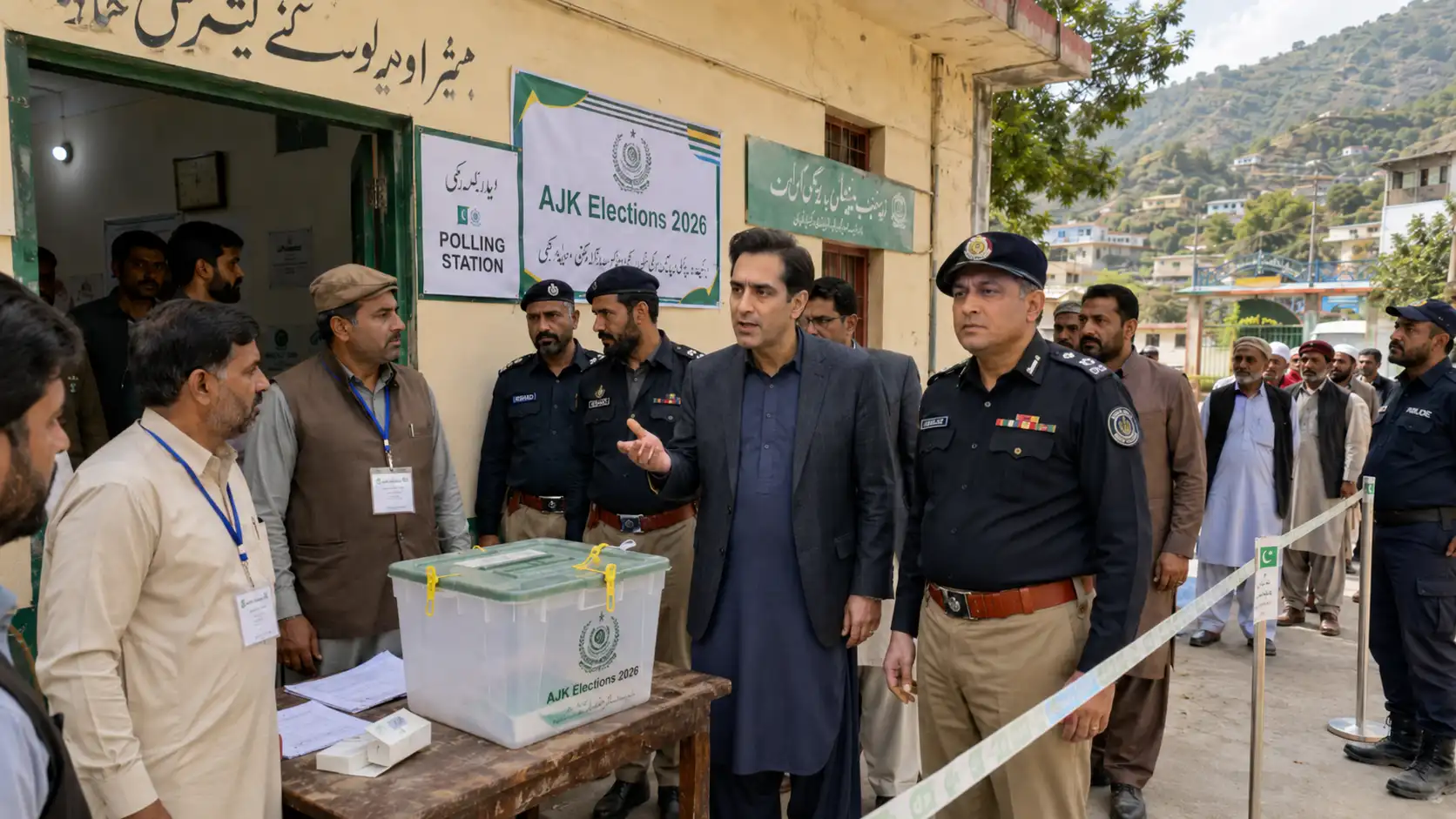

As the AJK elections 2026 draw near, preparations are in full swing, with authorities focused on ensuring a seamless voting process. The Mirpur commissioner and Deputy Inspector General (DIG) have taken proactive steps to review and strengthen the polling process. Their involvement underscores the importance of integrity and transparency in the electoral process, especially in the politically vibrant region of Azad Jammu and Kashmir. From addressing logistical hurdles to enhancing security measures, these reviews aim to safeguard the democratic principles that will guide the upcoming elections.
Background of AJK Elections
The Azad Jammu and Kashmir (AJK) region has a unique political landscape, shaped by its history and geopolitical significance. Elections in AJK are not only about governance but also have implications on a broader scale due to the area’s proximity to conflict zones. Historically, AJK elections have been pivotal, reflecting the region’s ongoing quest for autonomy and identity.
Elections occur every five years, allowing citizens to participate in the democratic process by voting for legislative assembly representatives. The process is overseen by the AJK Election Commission, which is responsible for ensuring free, fair, and transparent elections. The 2026 elections stand as a testament to AJK’s enduring democratic values amidst challenging circumstances.
Understanding the historical context of the AJK elections reveals the significance of rigorous preparations and the role of key officials, such as the Mirpur commissioner and DIG, in maintaining electoral integrity. The region’s electoral past has witnessed varied challenges, from voter fraud to infrastructure issues, highlighting the continuous evolution needed in the electoral process.
The political dynamics in AJK also play a crucial role in shaping elections, with various national and local political parties vying for influence. This competitive environment adds layers of complexity to the elections, making the role of impartial overseers even more vital in maintaining fairness.
The Role of the Commissioner and DIG in Elections
The commissioner and the DIG in Mirpur play vital roles in the election process, primarily focusing on administration and security. Their duties range from coordinating logistics to implementing security protocols that protect both voters and polling staff. As the 2026 elections approach, their proactive measures are crucial in preempting any potential disruptions.
The commissioner’s responsibilities include overseeing electoral logistics, such as setting up polling booths and managing the distribution of election materials. Ensuring that all polling stations are accessible and equipped is vital for a smooth election day experience.
On the other hand, the DIG’s focus is primarily on security. With elections in AJK often conducted under heightened tensions, implementing robust security measures is non-negotiable. The DIG works closely with law enforcement agencies to coordinate efforts, ensuring peace and order during the election period.
The collaboration between the commissioner and DIG is emblematic of the multi-faceted approach required to manage elections in such a region. Their roles also extend to engaging with community leaders and political entities to promote an environment of collaboration and trust.
Moreover, their work involves constant communication with the National Election Commission to align local efforts with national standards, ensuring that every aspect of the election is well-coordinated and transparent.
Evaluating the Polling Process
The review of the polling process is a crucial step in election preparation. This involves assessing if the logistical plans align with the requirements needed for a fair vote. The commissioner and DIG’s review process in Mirpur focuses on identifying and addressing weaknesses or potential points of failure.
Inspecting polling stations for adequate facilities and accessibility forms a significant part of the auditing process. The aim is to ensure that voters can cast their votes confidently and without hindrance. Furthermore, the preparedness of polling staff is evaluated to guarantee efficient management on election day.
These evaluations are followed by simulations and drills, which test the response mechanisms in case of emergencies or disruptions. This proactive approach signifies the authorities’ commitment to safeguarding democratic processes.
The importance of community engagement cannot be understated in this context. Public forums and town hall meetings are conducted to gather feedback from citizens, offering valuable insights into potential improvements in the polling process.
Additionally, transparency is emphasized through the involvement of independent observers who monitor the entire process, ensuring that evaluations are not only thorough but unbiased and open to scrutiny.
Logistical Preparations for the Elections
Logistical planning is the backbone of successful elections. For AJK’s 2026 elections, meticulous planning ensures that all elements are in place for an efficient electoral process. This includes the distribution and management of election materials, workforce deployment, and ensuring the technological infrastructure supports the electoral needs.
The election materials, ranging from ballots to electronic voting machines, need precise management to prevent any misappropriation or logistical delays. The commissioner’s role in streamlining these operations is crucial for maintaining the integrity of the election.
Furthermore, training programs for polling staff focus on effective usage of technology and handling unexpected situations, emphasizing the importance of an informed workforce to navigate the electoral machinery smoothly.
The logistics also encompass transportation, ensuring that materials and personnel can access even the most remote polling stations. This includes contingency plans for adverse weather conditions or road disruptions that could impact accessibility.
Additionally, collaborations with technology experts are established to ensure that tech systems are robust and able to handle the demands of the election, reducing the chances of technical failures that could disrupt the voting process.
Also Read This Article: AJK and Occupied Kashmir: Bilawal’s Firm Stance
Security Measures for AJK Elections 2026
Security is a top priority in any electoral process, particularly in regions like AJK where tensions can rise. The DIG’s review of security measures ensures robust protocols are in place to prevent incidents that could jeopardize the vote’s integrity.
Security involves multiple layers, including both visible measures, like the presence of law enforcement personnel, and invisible ones, such as intelligence operations. These combined efforts deter potential threats and reassure voters of their safety.
Coordination with national security agencies enhances these efforts, creating a comprehensive security network tasked with maintaining peace and order. With these precautions in place, the citizens of AJK can exercise their voting rights securely.
The role of local communities in security is also emphasized, as community watch programs are set up to assist law enforcement in maintaining vigilance and identifying any suspicious activities. Moreover, post-election security arrangements ensure that the integrity of the vote count is maintained until all results are verified and declared, reinforcing trust in the electoral system.
Public Awareness and Voter Education
Raising public awareness and voter education is essential to foster an informed electorate. The election commission, alongside the commissioner, emphasizes reaching out to the public through various channels to educate them about the voting process and the importance of their participation.
Programs aimed at increasing voter turnout focus on combating voter apathy. Workshops, seminars, and digital campaigns are employed to engage and inform citizens, emphasizing how their votes contribute to shaping AJK’s future.
These initiatives also address the technological aspect of voting, ensuring voters are comfortable and familiar with any new systems in place, thus reducing confusion and errors on election day.
Efforts to reach marginalized communities are intensified, ensuring that every eligible voter understands their right and the importance of casting their vote. Tailored materials and communications are developed to reach these groups effectively.
Voter education encompasses not just the mechanics of voting but also aims to inspire civic responsibility and engagement, emphasizing how each vote impacts governance and development in AJK.
Impact of Technological Advancements
Technological advancements in the electoral process have transformed the landscape of voting, offering streamlined solutions for both voters and administrators. The 2026 AJK elections are set to leverage these technologies to enhance efficiency and transparency.
Electronic voting machines, online voter registration, and other digital tools can greatly reduce logistical challenges and errors, providing a smoother experience for voters and officials alike. The adoption of such technology necessitates rigorous testing and public demonstration to build trust and acceptance.
Potential cybersecurity threats are another area of focus, ensuring that robust defenses are in place to protect the integrity of the election data against breaches. The successful implementation of technology promises to modernize and maintain the election’s integrity.
Case studies from other regions that have successfully implemented similar technologies provide benchmarks and best practices that can be adapted to AJK’s needs, ensuring that the integration of technology is both smooth and effective.
Moreover, continued innovation and adaptation to new technological advances will keep the electoral system relevant and resilient in the face of future challenges, solidifying the foundation for democracy in AJK.
Challenges Facing AJK Elections
The upcoming AJK elections face several challenges that require strategic solutions. Political dynamics, regional tensions, and logistical constraints are among the hurdles officials must address to ensure successful elections.
Political tension can incite unrest, making the security measures enforced by the DIG vital. Ensuring neutrality among electoral staff and maintaining transparency is key to avoiding allegations of bias or misconduct.
Logistically, geographic challenges can hinder material distribution and staff deployment, making preemptive planning and local engagement essential for mitigating such issues. By addressing these challenges head-on, the integrity and success of the electoral process can be safeguarded.
Socioeconomic factors also play a role, as economic disparities can influence voter accessibility and willingness to participate. Efforts to bridge these gaps through voter assistance programs become essential.
Additionally, the impact of misinformation campaigns can undermine public trust, necessitating comprehensive strategies to counteract false narratives and preserve the credibility of the election process.
Lessons from Past Elections
Reflecting on past elections offers valuable insights that can inform the current preparations. Historical analysis of previous electoral phases in AJK reveals areas of success and those requiring improvement.
Learning from experiences of voter disenfranchisement, technical glitches, and security lapses can guide the implementation of improved strategies. The emphasis on recalling what worked well can build upon strengths while tackling noted weaknesses.
The insights gained from historical analysis not only enhance current processes but also contribute to a legacy of improvements, setting a standard for future elections and reinforcing democratic principles.
Success stories from past elections, such as high voter turnout rates and successful conflict resolution methods, provide valuable lessons that can inspire confidence and guide current election strategies.
Furthermore, the ongoing documentation and evaluation of election practices help in crafting policies that adapt to new challenges, ensuring that the electoral process is dynamic and progressive.
The Road Ahead for AJK
The road to the AJK elections 2026 is paved with preparation, and the involvement of dedicated officials like the Mirpur commissioner and DIG highlights the emphasis on maintaining electoral integrity. Their reviews of the polling process are crucial steps toward ensuring free, fair, and democratic elections.
As the mid-2026 election date approaches, the coordinated efforts of officials, the implementation of technology, and strategic planning aim to create an environment conducive to fair democratic expression. Despite facing challenges, the collective commitment to upholding democratic values remains unwavering.
Ultimately, these elections signify not only a political event but also a testament to the resilience and democratic spirit of AJK’s citizens. The collaborative approach involving multiple stakeholders ensures that every angle is considered, and solutions are tailored to meet the unique needs of AJK’s diverse population. The ongoing efforts to build a transparent, inclusive, and efficient electoral system set a precedent for future governmental practices.
This journey towards credible and transparent elections is a significant milestone for AJK, setting the stage for a stable and democratic future where governance is accountable and reflective of the people’s will.
Frequently Asked Questions
What measures are being implemented for AJK elections 2026?
The Mirpur commissioner and DIG are reviewing logistical and security measures, ensuring a transparent and fair electoral process by implementing robust protocols.
Why is the review of the polling process important?
Reviewing the polling process identifies potential weaknesses and ensures that all logistical and security measures align with the requirements for a successful election.
How is technology being used in the upcoming elections?
Technological advancements such as electronic voting machines and digital tools aim to enhance efficiency and transparency in the 2026 AJK elections.
What are the challenges faced by AJK elections?
The elections face challenges such as political tension, logistical constraints, and ensuring neutrality, which require strategic solutions for a successful outcome.
How are public awareness initiatives being conducted?
Public awareness initiatives include workshops, seminars, and digital campaigns to educate and engage voters, emphasizing the significance of their participation in the elections.