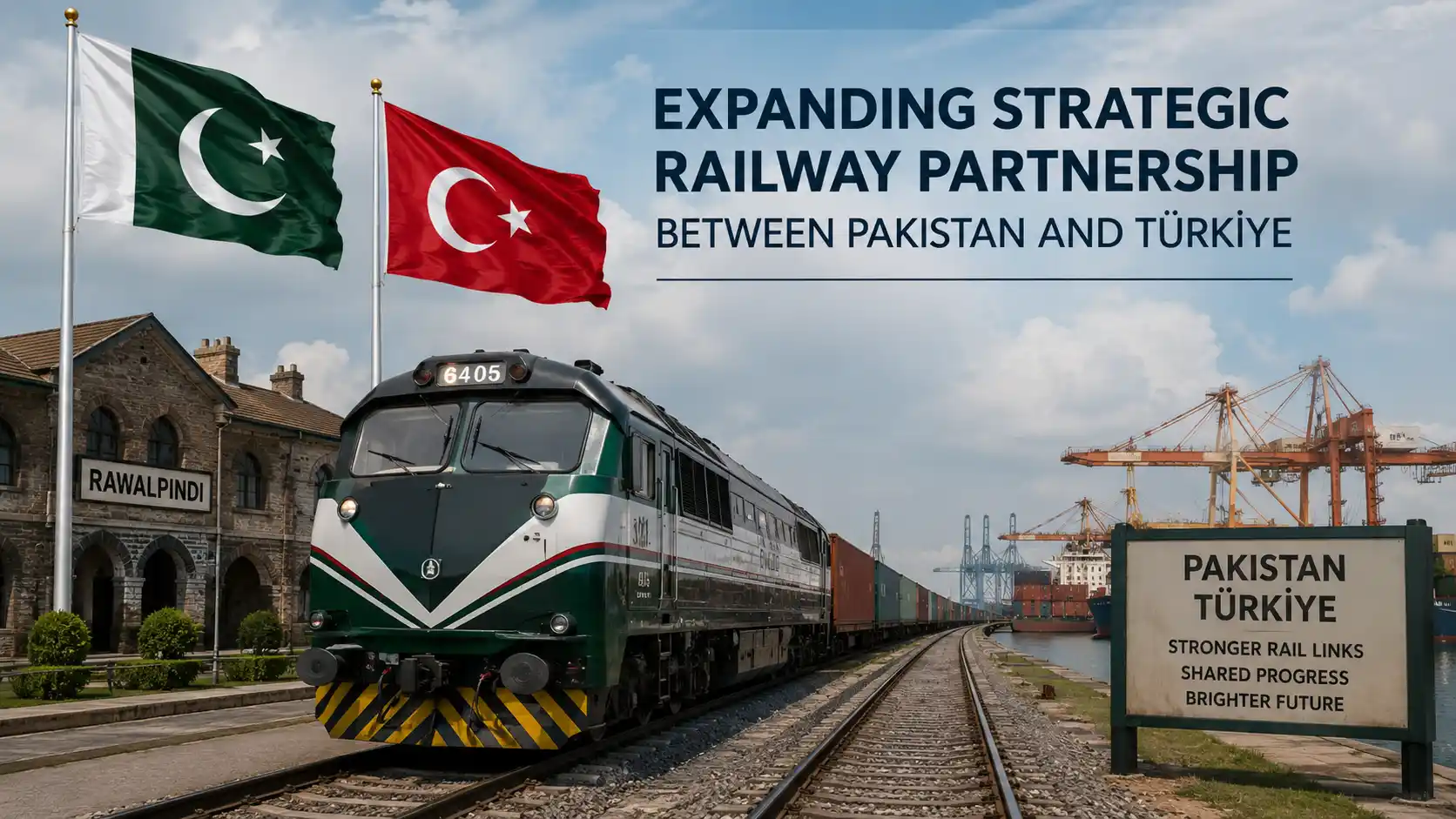
The recent agreement between Pakistan and Türkiye to expand their strategic railway partnership marks a significant step towards enhancing connectivity and economic growth. At a time when global trade routes and logistic frameworks are evolving, this partnership is poised to augment the transportation landscape across regions, benefiting both nations economically and strategically. The railway expansions will not only improve bilateral ties but also propel regional commerce, forge new trade corridors, and support sustainable development. Both countries envision this agreement as a keystone for broader collaboration, which paves the path for technological innovation and infrastructural development.
Background of Pakistan and Türkiye’s Bilateral Relations
The relationship between Pakistan and Türkiye has always been marked by mutual respect and cooperation. Historically, both nations have enjoyed strong diplomatic ties, evidenced by their continuous support on international platforms. The foundation of their relationship focuses on shared values and common goals that extend beyond political and cultural realms.
In recent years, both countries have sought to strengthen economic collaboration, identifying opportunities that align with their strategic interests. By expanding into areas such as defense, trade, and technology, this solid foundation has opened doors to collaborative projects like the strategic railway partnership.
Given their strategic locations, both Pakistan and Türkiye stand at the crossroads of significant trade routes that connect the East with the West. Developing a robust railway network will only augment this strategic advantage, allowing smoother movement of goods and services.
Furthermore, this shared ambition for economic integration and development is reflected in their commitment to various international collaborations, where transport and logistics have consistently featured as crucial sectors. The existing ties not only offer a historical foundation but also provide a springboard for future initiatives, enabling the nations to exploit emerging markets and regional opportunities.
Through this expanding partnership, Pakistan and Türkiye are poised to transform regional connectivity, leveraging their historical friendship and aligning mutual interests to achieve broader objectives. This agreement symbolizes a deepening of ties, reinforcing their positions as pivotal players in the geopolitical landscape.
The Strategic Importance of Railway Connectivity
Globally, railway systems have emerged as vital components for sustainable economic growth. They offer energy-efficient, cost-effective, and reliable means of connecting urban and rural areas. For Pakistan and Türkiye, this aspect takes on crucial importance as they aim to boost trade and commerce.
With expanding economies, an improved railway infrastructure will help meet increasing demands for connectivity. It also creates a ripple effect, fostering regional development, supporting industries, and generating job opportunities. Investing significantly in railway systems can be seen as an investment in the future of transportation and economic integration in these regions.
Enhancing railway connectivity aligns with both countries’ regional development strategies, aiming to transform them into logistics hubs that cater to both domestic and international trade.
Moreover, in the present geopolitical climate, rail infrastructure assumes a strategic role in fortifying regional resilience against global economic shifts. By fostering efficient transport links through this strategic railway partnership, Pakistan and Türkiye can ensure the seamless flow of goods, minimize potential trade disruptions, and bolster their regional standings.
The development of robust railway links is also seen as a countermeasure to combat global challenges such as climate change by reducing reliance on road transport, thereby decreasing carbon emissions. This proactive approach not only addresses immediate transport needs but also aligns with long-term sustainability goals, making it a pivotal aspect of both countries’ green strategies.
Scope and Objectives of the Railway Partnership
This strategic railway partnership goes beyond infrastructure development. It aims to enhance technological exchange and foster innovation in transportation systems. By focusing on technological advancements in railway management and operations, both countries hope to streamline processes, enhance safety, and increase efficiency.
Among the key objectives is the modernization of existing railway networks. Upgrading technology, improving safety standards, and increasing the speed and efficiency of train operations stand as primary goals. This modernization effort is expected not only to facilitate passenger transport but also to provide efficient cargo solutions.
By integrating cutting-edge technologies, enhancing digitalization, and adopting green practices, this partnership aligns with contemporary global standards, making it future-ready.
In addition to the technology-driven objectives, both nations are focusing on setting new benchmarks for operational excellence, ensuring that the railway system becomes synonymous with reliability and quality. The partnership envisions a holistic transformation of the railway sector, embedding innovation into every facet from management to daily operations.
This paradigm shift is set to provide significant enhancements in service availability and client satisfaction, further solidifying the railway network as a central pillar in both countries’ economic growth frameworks. By actively engaging in international best practices, Pakistan and Türkiye are setting the stage for a future where railways become the preferred mode of transport both regionally and globally.
Economic Implications of the Expanded Partnership
The expansion of the strategic railway partnership between Pakistan and Türkiye holds significant economic implications. Improved connectivity directly translates into reduced transit times, lower transportation costs, and increased competitiveness for local industries.
For Pakistan, enhancing railway infrastructure facilitates access to Central Asia, Europe, and other neighboring countries. Similarly, Türkiye benefits from streamlined routes into Asia, nurturing its ambition of being a logistic powerhouse.
This agreement promises to stimulate economic activity by improving the efficiency of supply chains across the region. By decreasing logistical bottlenecks, businesses gain a competitive edge, encouraging further foreign investment and economic diversification.
Furthermore, the expanded railway network will unlock new trade corridors, boosting regional commerce and fostering economic interdependence. The collaboration is integral to the broader economic strategies of both nations, stimulating local economies and enhancing global competitiveness through efficient logistical networks.
By leveraging this strategic railway partnership, both countries are poised to position themselves as critical nodes in the global supply chain, attracting investment not only in transport but also in auxiliary sectors like manufacturing, technology, and infrastructure development. Emphasizing local talent development and capacity building will further stimulate economic growth, creating a virtuous cycle of prosperity and opportunity for both nations.
Also Read This Article: Traffic Police to Suspend Licences of Smoke-Emitting Vehicles
Challenges and Opportunities
Despite the promising potential, this ambitious partnership is not without challenges. Infrastructure development demands substantial financial investment, skilled manpower, and technological expertise.
Addressing these challenges requires comprehensive planning, funding allocation, and international collaborations. Yet, these challenges present an opportunity to build resilient infrastructure and create a framework resilient to future disruptions. The partnership’s success hinges on navigating these complexities, leveraging diplomatic ties, and fostering collaboration. Embracing innovation and inclusivity can transform these challenges into stepping stones toward achieving common objectives.
Moreover, geopolitical dynamics can pose potential challenges, requiring a balanced approach to ensure that external influences do not derail progress. Managing such complexities necessitates cohesive diplomatic strategies and collaborative policymaking to preserve the partnership’s momentum.
On the opportunity side, this partnership promotes the exploration of new engineering solutions and technological advancements that can significantly mitigate these challenges. By fostering a collaborative environment that encourages innovation, the partnership can pioneer models that not only solve current problems but set standards that others may follow, further amplifying its significance and influence in the global arena.
Technology and Innovation in the Railway Sector
The future of railway transportation lies in embracing technology and innovation. Both Pakistan and Türkiye are set to incorporate advanced technologies into their railway systems, focusing on automation, digitalization, and integration of sustainable practices.
From intelligent railway management systems to automated control of trains, technology-driven solutions promise enhanced safety, reduced operational costs, and improved service offerings. Türkiye’s experience with high-speed trains and Pakistan’s ongoing rail projects provide a rich ground for technological collaboration.
The focus on digital transformation within the railway sector paves the way for operational excellence and customer satisfaction, forming a blueprint for future expansions.
Furthermore, adopting high-tech surveillance and communication systems will enable real-time monitoring and issue resolution, enhancing the robustness of operations. These advancements are central to the strategic railway partnership, aiming for a seamless and integrated railway experience.
Additionally, cutting-edge research into new materials, renewable energy integrations, and energy storage solutions will lead to the development of lighter, more efficient trains that can capitalize on speed and efficiency while remaining environmentally friendly. This relentless pursuit of innovation will redefine railway travel, setting new industry benchmarks and catapulting both nations into the forefront of global rail advancements.
Environmental Impact and Sustainability Considerations
One of the vital components of the strategic railway partnership is its focus on sustainability. Railways are inherently more energy-efficient and less polluting compared to road transport.
This strategic expansion seeks to further reinforce these advantages by integrating eco-friendly technologies and sustainable practices. Emphasis on renewable energy sources, efficient fuel usage, and reduced emissions align with global environmental goals.
By prioritizing sustainability, the partnership aims to contribute positively to environmental conservation, while promoting development that aligns with the principles of sustainable urbanization.
Moreover, the conscious shift toward a greener and more sustainable railway infrastructure is set to promote ecological awareness and responsibility within the industry. By embedding sustainability into the core framework, Pakistan and Türkiye are setting an example for others to follow.
Developing railways that utilize solar and wind energy sources, adopting electric train lines, and focusing on regenerative braking systems are all methods that can reduce the environmental footprint. These environmentally conscious strategies not only address immediate climate concerns but also demonstrate a robust commitment to long-term ecological preservation, translating aspirations into tangible outcomes that benefit future generations.
Regional Influence and Geopolitical Considerations
The partnership between Pakistan and Türkiye extends its influence beyond economic realms, impacting regional geopolitics. Enhanced connectivity positions these nations as critical players in regional logistics and trade.
By creating synergies between their geographic locations and economic potentials, both countries can assert greater influence within Asia, Europe, and beyond. This strategic alignment fosters regional cooperation and positions them as regional gateways. Geopolitical considerations play a role in shaping the partnership’s success, requiring diplomatic balance, cooperation, and adherence to international standards.
Furthermore, the alliance may serve as a catalyst for other regional partnerships, encouraging collaborative efforts to build a more connected and economically integrated region. By capitalizing on their strategic relationship, Pakistan and Türkiye can potentially mediate in geopolitical dialogues, fostering peace and stability through economic collaboration.
This strategic railway partnership reflects a long-term vision toward a more interconnected and harmonious region, highlighting the importance of bilateral ties in navigating global complexities. By positioning themselves as significant geopolitical players, both countries are potentially influencing policy directions and encouraging greater cooperation on both regional and international levels.
Future Prospects and Path Forward
As the partnership evolves, future prospects remain promising. Embracing technological advancements, enhancing railway networks, and fostering collaborative innovation will be central to its success.
Expanding beyond bilateral cooperation to include multilateral engagements opens new avenues, providing opportunities for joint ventures and investments. This approach may further enhance the transportation ecosystem across the region.
The path forward requires consistent efforts, flexible planning, and a shared vision to achieve set objectives. With dedication and intent, this strategic partnership can set a precedent for regional connectivity and growth.
Moreover, the prospect of attracting regional and international stakeholders underscores the partnership’s potential. By integrating global best practices and aligning with international standards, Pakistan and Türkiye can further cement their position as leaders in railway innovation.
As both countries continue to build upon this partnership, their collaborative vision could serve as a model for similar initiatives globally, highlighting the profound impact of strategic alliances in transforming transportation and fostering shared progress. With a steadfast commitment to mutual prosperity, the future holds boundless opportunities, driven by innovation and unified goals.
Conclusion
The strategic railway partnership between Pakistan and Türkiye signifies a landmark collaboration that promises extensive benefits. By focusing on infrastructure development, technological advancement, and sustainability, both nations are poised to redefine regional connectivity.
This partnership not only strengthens bilateral ties but also positions them as regional leaders, fostering economic development and geopolitical influence. The path to success is lined with challenges, but the vision and dedication of both nations ensure a promising future.
The expansion reflects a commitment to shared goals, unlocking new opportunities for economic growth, regional stability, and global cooperation.
Frequently Asked Questions
What is the focus of the Pakistan-Türkiye railway partnership?
The focus is on enhancing connectivity, infrastructure development, technological exchange, and sustainable practices in the railway sector.
How will the partnership benefit the economy?
It promises reduced transit times, increased competitiveness, and improved supply chain efficiency, attracting more foreign investments and boosting economic growth.
What are the technological aspects of this collaboration?
The partnership focuses on adopting advanced technologies like automation, digitalization, and eco-friendly practices to improve safety and efficiency.
How does this partnership impact regional geopolitics?
It enhances regional influence by positioning Pakistan and Türkiye as critical logistical hubs, fostering cooperation, and creating trade corridors.
What are the sustainability considerations in the partnership?
Emphasis on renewable energy and eco-friendly technologies aligns with global environmental goals, contributing to sustainable railway expansions.



 Muhammad Abdullah |
August 1, 2026
Muhammad Abdullah |
August 1, 2026