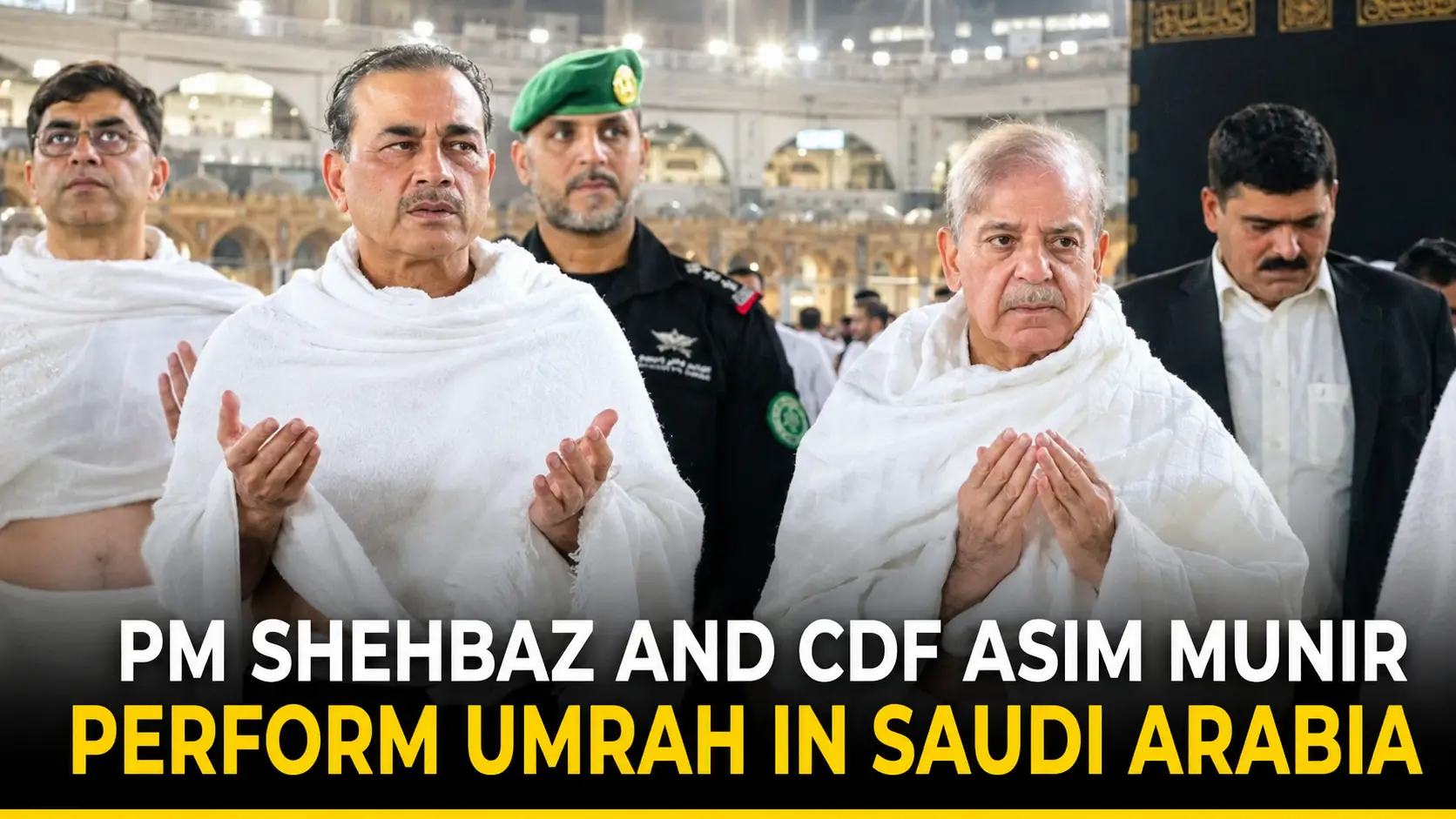
PM Shehbaz and CDF Asim Munir perform Umrah, marking a significant moment during their official visit to Saudi Arabia. This religious journey not only illustrates personal devotion but also symbolizes the enduring relationship between the two nations. The visit was steeped in significance, especially given the historical ties that bind Pakistan and Saudi Arabia. Many see this act as reflective of the strong Islamic values present in both leadership and the broader aims of their respective countries. In a world often fraught with tension and misunderstanding, such gestures serve as a reminder of the common ground found in faith and tradition.
Significance of Performing Umrah in Islam
For Muslims around the world, performing Umrah is not just a religious pilgrimage; it is a moment of spiritual awakening and introspection. Unlike Hajj, which is obligatory and performed during specific dates, Umrah can be undertaken at any time of the year and serves as a means to seek forgiveness and guidance from Allah. Many who embark on this journey report a profound sense of peace and clarity upon their return. This spiritual renewal can have far-reaching effects, not just on the individuals performing it but also on those they lead and govern.
In the context of a leader, performing Umrah holds more than personal spiritual significance. It showcases a commitment to Islamic values and can inspire the public to reflect on their own faith and spirituality. Leaders like PM Shehbaz Sharif and CDF Asim Munir performing Umrah sends a potent message to the citizens they represent, intertwining governance with faith. This act can invigorate the bond between the leadership and the citizens, reinforcing shared beliefs and values.
In essence, Umrah serves as an important reminder of the principles of humility, charity, and patience, qualities vital for anyone in a leadership role. The act encourages leaders to embrace self-improvement and introspection, vital for guiding their nations toward progress and prosperity.
Moreover, the performance of Umrah can be seen as a demonstration of allegiance to personal beliefs and a public declaration of trust in divine guidance. This can be particularly significant in societies where religious sentiments are deeply ingrained in the cultural and political fabric. The ritual acts performed during Umrah, such as circumambulating the Kaaba and performing the Sa’ee, mirror life’s journey with its trials and triumphs, offering leaders an opportunity to find renewed strength.
Background on the Pakistan-Saudi Arabia Relationship
The relationship between Pakistan and Saudi Arabia extends deep into history, founded on mutual respect and shared religious beliefs. For decades, the two nations have cooperated in various sectors, including economic, defense, and cultural exchanges. Saudi Arabia has been a significant ally for Pakistan, offering substantial financial aid and support, particularly during challenging times. One major episode was during the 1971 war when Saudi Arabia extended humanitarian assistance, showcasing their deep-rooted friendship.
The oil crisis in the 1970s solidified this relationship as Pakistan began to rely heavily on Saudi oil. The strategic ties were further enhanced by the Islamic Conference Organization, which both countries have been part of. This platform has enabled both nations to collaborate on broader issues. Moreover, the influx of Pakistani workers to Saudi Arabia has led to tighter economic bonds, creating a substantial Pakistani diaspora that actively contributes to both economies.
Through highs and lows, the partnership has endured, characterized by unwavering support and camaraderie. The recent visit by PM Shehbaz and CDF Asim Munir to Saudi Arabia to perform Umrah underlines this enduring relationship, reminding both nations of the shared challenges and aspirations they face as part of the Islamic community.
In recent years, the global geopolitical climate has added new dimensions to the Pakistan-Saudi relationship. Collaborative efforts in counter-terrorism and military alliances have become significant, reflecting shared interests in maintaining regional stability. Furthermore, cultural exchanges and educational collaborations have further cemented their bond, promoting a deeper understanding between the two societies.
The Context of the Official Visit to Saudi Arabia
The visit of PM Shehbaz and CDF Asim Munir to Saudi Arabia is strategically significant in many ways. With regional dynamics shifting and global challenges abounding, the strengthening of bilateral ties has become imperative. This visit could be seen as a timely reaffirmation of Pakistan’s commitment to enhancing relations with key allies.
Additionally, the timing of the visit is noteworthy, given the fluctuating political and economic climates in both countries. For Pakistan, strengthening ties with Saudi Arabia can provide economic benefits in the form of investment and support. For Saudi Arabia, a stable Pakistan plays a crucial role in regional security and counter-terrorism initiatives. Thus, the goals align perfectly in this cooperative endeavor.
Moreover, the performance of Umrah during the visit serves not only a spiritual function but also acts as a diplomatic gesture. It exemplifies the shared Islamic heritage that both countries proudly uphold, making the trip more profound than a mere state visit. Engaging in such acts of faith can pave the way for deeper conversations about mutual interests and future collaborations.
The official visit also highlighted the potential for collaborative projects in technology and infrastructure, areas where Saudi Arabia has shown particular interest. As part of the broader Vision 2030 initiative, Saudi investments in Pakistan could play a crucial role in job creation and economic growth. This represents a mutually beneficial relationship where both nations stand to gain significantly.
The Symbolic Nature of Religious Pilgrimage
Religion often shapes political landscapes, and the performance of Umrah by leaders holds deep symbolic weight. As public figures, their actions can resonate beyond borders, influencing perceptions of their nations. By fulfilling religious obligations, leaders can garner respect from both domestic and international communities.
The symbolism of performing Umrah embodies humility and service, qualities essential for any leader. It showcases a willingness to seek divine guidance in governance, a trait admired by citizens of both countries. In an increasingly secular world, such gestures serve as a reminder of the ethos of leadership grounded in moral values.
Engaging in a religious pilgrimage can also disarm critics, sending a positive message that leadership is intertwined with spirituality. In an era where global political figures often face scrutiny, such acts can momentarily alleviate tensions and support the image of nations seeking peace and stability.
This pilgrimage often serves as a bridge that connects past leaders’ actions with present-day governance, drawing on historical and cultural narratives of fealty and belief. It allows leaders to root their administration in both contemporary relevance and timeless values, creating a balanced approach toward modern challenges.
Also Read This Article : Push for 24/7 Pak-Iran Border Trade: A New Era in Relations
Diplomatic Implications of the Visit
The trip by PM Shehbaz and CDF Asim Munir is laden with diplomatic implications that can influence regional geopolitics. Strengthening ties with Saudi Arabia potentially opens avenues for deeper economic collaboration. Given the growing concerns about economic instability in Pakistan, this visit might be an introductory phase to laying the groundwork for future investments, trade deals, and cooperative security measures.
Furthermore, regional security remains a pressing concern for both nations. Saudi Arabia has been proactive in addressing security challenges in the Gulf and around the Arabian Peninsula, and a stronger Pakistan can contribute meaningfully to these initiatives. Cooperation in counter-terrorism and intelligence-sharing could be key outcomes of further discussions anticipated from this visit.
Additionally, cultural exchanges, trade facilitation, and joint ventures could result from strengthening bilateral relationships. Both countries could work collectively in sectors like technology, education, and healthcare, which would yield significant dividends in terms of human capital development and economic stability.
The visit also opened paths for multinational collaborations, involving other regional players, to tackle pressing issues like climate change and sustainable development. By incorporating technological innovations and knowledge sharing, both countries could position themselves as leaders in addressing environmental concerns within the broader Middle Eastern context.
Public Reaction to the Umrah Performance
The public reaction to PM Shehbaz and CDF Asim Munir’s Umrah performance is a topic of significant interest. People across various social media platforms have expressed a mix of pride and skepticism regarding the leaders’ commitment to both faith and governance. On one hand, many laud their actions as a reflection of strong Islamic values that the leaders are upholding. On the other, a significant faction remains critical, questioning the genuineness of their intentions.
In Pakistani society, where religion plays a significant role, such gestures often receive considerable attention. Many see this pilgrimage as an act of devotion that should encourage citizens to follow suit, reinforcing collective identity and purpose. However, sceptics argue that these religious undertakings must also translate into tangible benefits for the nation, urging leaders to ensure that spiritual actions coincide with actionable governance.
In essence, public sentiment regarding this visit encompasses a spectrum of emotions. The critical discourse surrounding the marriage of faith and political leadership is ongoing. The government’s ability to address these public concerns about their performance could impact future political capital.
The public dialogue reflects broader themes of faith and governance, examining how religious undertakings can evolve from symbolic gestures into meaningful, policy-driven transformations. The call for transparency and efficacy in public office continues to dominate social conversations and influence how these actions are perceived.
Historical Context of Leaders Performing Umrah
Leaders undertaking religious pilgrimages is not a new phenomenon within the Islamic world. Historical episodes have showcased many leaders seeking spiritual solace and divine direction through acts such as Umrah or Hajj. These moments often signify a leader’s commitment to their faith while also engaging with the public on a spiritual level.
Historical figures, such as Pakistan’s founder Muhammad Ali Jinnah, have emphasized the importance of Islamic values in governance, serving as guiding principles in their leadership. Similarly, contemporary leaders use such acts to emphasize their connection to both religious and secular duties, drawing culturally significant parallels. The performance of Umrah has, therefore, acted as both a personal retreat and as a public relations strategy in showcasing a unifying spirit.
By looking back on historical precedents, one notices that strong leadership often correlates with the acknowledgment of spirituality. Such acts often inspire the populace, motivating them to embody similar spiritual inclinations in their everyday lives. As such, PM Shehbaz and CDF Asim Munir’s recent Umrah performance can be seen as part of this enduring tradition, showcasing a blend of leadership, faith, and public service.
The historical resonance of leaders performing religious pilgrimages also underscores the idea of imparting legacy and setting benchmarks for future leadership. It builds a narrative that intertwines faith-based actions with governmental evolution, encouraging future trajectories that prioritize ethical governance.
The Future of Pakistan-Saudi Relations Post Visit
The implications of PM Shehbaz and CDF Asim Munir performing Umrah extend beyond the immediate visit. The potential for enhanced collaboration in multiple sectors may signify a new chapter in Pakistan-Saudi relations. Both nations would benefit from reassessing their relationship against the backdrop of contemporary challenges, particularly economic instability and security concerns.
For Pakistan, the strengthening of ties with Saudi Arabia could open avenues for investment, which is critical for boosting the economy amidst rising inflation and a burgeoning fiscal deficit. By integrating their respective strategic goals, both countries can foster a cooperative framework that addresses mutual interests and aspirations. Enhanced collaboration in sectors such as trade, defense, and technology could revitalize their bilateral relationship, making it more robust.
Moreover, as the global landscape continues to evolve, the importance of strong, cooperative partnerships cannot be overstated. The journey undertaken by PM Shehbaz and CDF Asim Munir has laid foundational stones for deeper engagement, which may yield significant benefits if approached collaboratively. The expectation is that this approach will lead to long-lasting relationships, impacting generations to come.
Building on this visit, there is a growing expectation for the implementation of joint strategies to address regional conflicts and peace-building efforts. Both nations, equipped with shared visions and goals, are poised to serve as influential entities within both Islamic and global platforms, shaping policy decisions and advocacy on critical issues.
Conclusion: The Dual Significance of Faith and Leadership
In summary, the recent actions of PM Shehbaz and CDF Asim Munir, performing Umrah during their visit to Saudi Arabia, hold profound significance. Beyond the spiritual implications, this event encapsulates a deeper political narrative about leadership, faith, and national stability. The intertwining of religious devotion with governance serves as a lens through which to examine the multifaceted nature of modern leadership, reflecting on both personal and collective faith journeys.
The global backdrop is changing, with the challenges of economic turmoil, security threats, and diplomatic relations being at the forefront. Amid such complexities, grounding leaders in the values that Umrah symbolizes—humility, patience, and service to others—could translate into more compassionate governance practices. The act serves not only as a personal milestone for the leaders involved but also as a reminder of the interconnectedness of faith and responsibility in leadership roles.
The public reaction weaves a narrative of separation between skepticism and admiration, highlighting the importance of authenticity in leadership. Moving forward, the expectation is that such acts of faith will cultivate a culture of accountability and inspire political and civil leaders alike to pursue paths of governance that resonate with spiritual enlightenment and societal betterment.
The performance of Umrah serves not only as a testament to personal piety but also holds potential transformative power in the realm of political leadership, one that aligns religious convictions with civic duty. It urges leaders to embody a holistic approach reflecting both spiritual principles and forward-looking statesmanship.
Frequently Asked Questions
What is the significance of PM Shehbaz and CDF Asim Munir performing Umrah?
PM Shehbaz and CDF Asim Munir performing Umrah highlights their commitment to Islamic faith while also symbolizing the strong ties between Pakistan and Saudi Arabia. This act serves as both a spiritual pilgrimage and a diplomatic gesture.
How does the performance of Umrah impact political leadership?
Performing Umrah can enhance a leader’s public image by showcasing their devotion and humility. It can connect personal spirituality with governance, setting a precedent for compassionate leadership.
What are the historical ties between Pakistan and Saudi Arabia?
Pakistan and Saudi Arabia share a long history characterized by mutual support and cooperation across various sectors, including economic and military alliances. This relationship has been reinforced through cultural and religious ties.
What was the purpose of the official visit to Saudi Arabia?
The official visit aimed to strengthen bilateral ties, foster economic collaboration, and discuss shared security concerns. Performing Umrah added spiritual significance to the diplomatic mission.
How did the public react to the leaders performing Umrah?
The public response was mixed, with many expressing pride in their leaders’ actions while others remained skeptical about the authenticity and implications of such gestures on governance.




 Muhammad Abdullah |
August 7, 2026
Muhammad Abdullah |
August 7, 2026