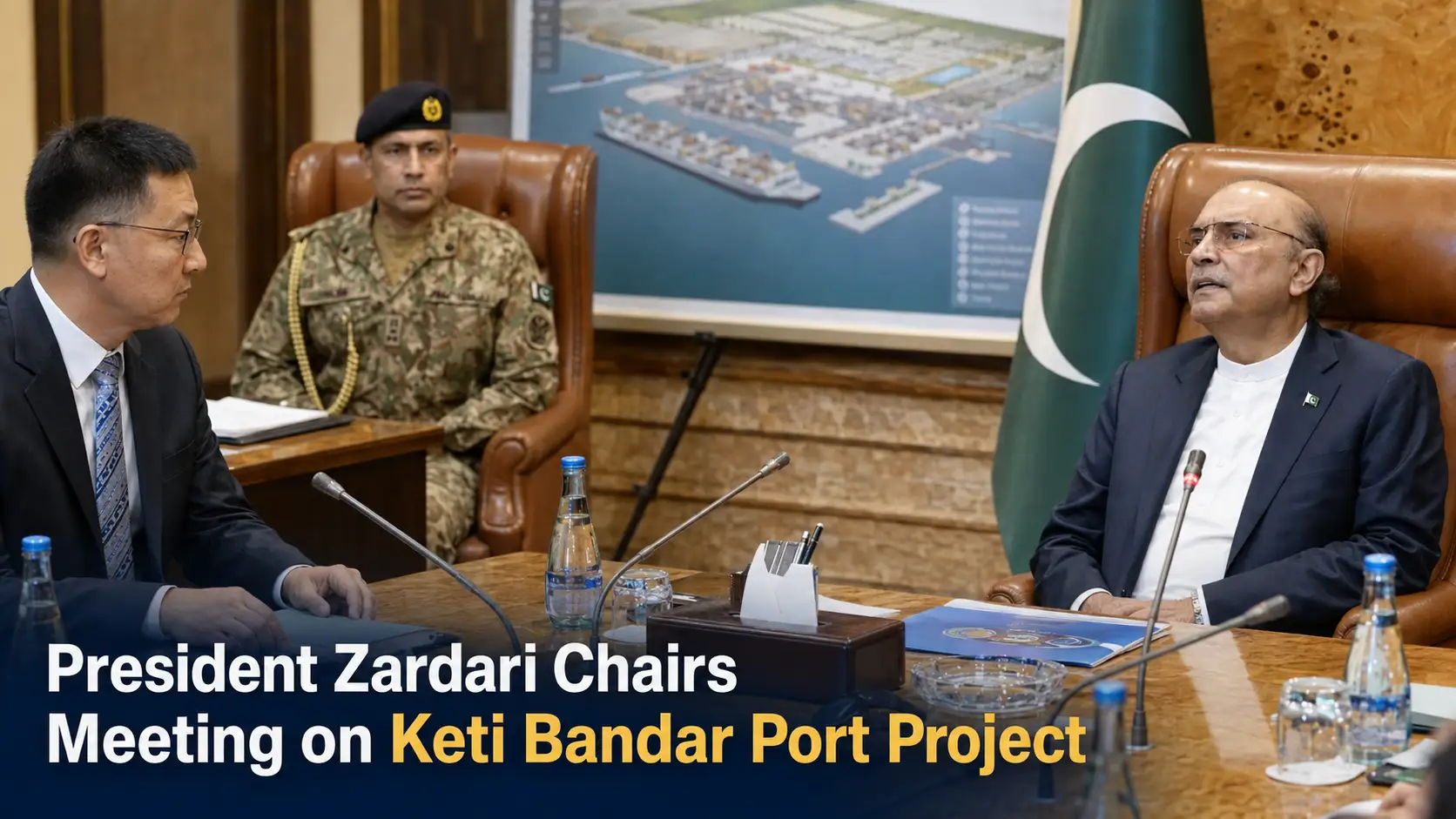
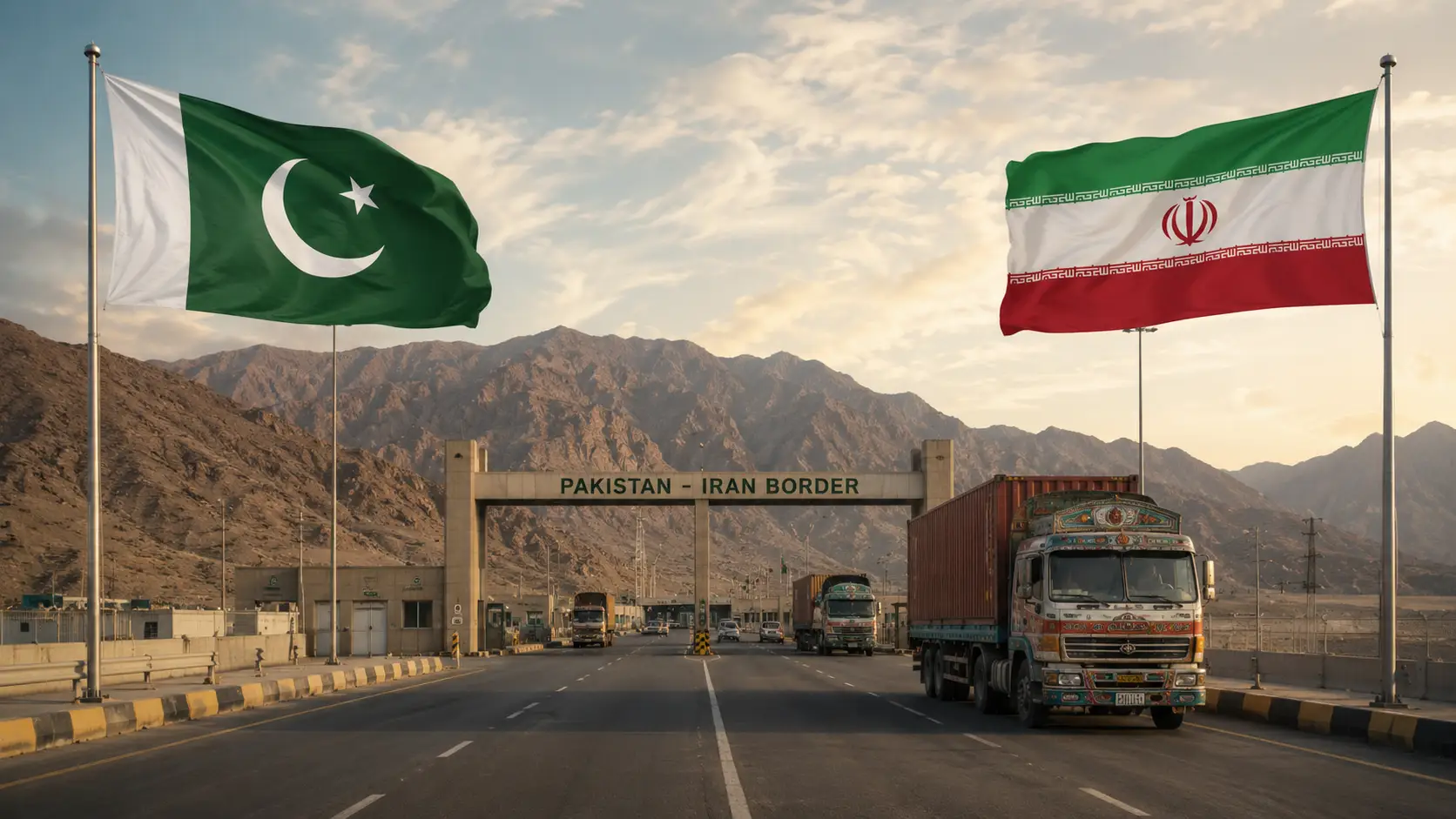
The recent discussions pushing for 24/7 Pak-Iran border trade signify a landmark moment in the diplomatic and economic relations between Pakistan and Iran. This initiative is aimed at not only enhancing trade efficiency but also fortifying political ties. A six-member Iranian delegation met with the Prime Minister of Pakistan, emphasizing the necessity for continuous and unrestricted trade along their shared border. This proposal comes at a time when both countries are looking for avenues to improve their economic conditions and to counter regional challenges. By ensuring that the border remains open at all hours, both nations could foster a more robust economic partnership, one that takes advantage of their geographical proximity and complementary market needs.
The Economic Landscape of Pakistan and Iran
Understanding the economic context of Pakistan and Iran is essential to comprehend the significance of the proposed 24/7 Pak-Iran border trade. Pakistan’s economy is characterized by its agricultural reliance and textile industry, while Iran possesses a wealth of natural resources, notably oil and gas. Both countries exhibit significant trade potential, yet the barriers along their border have long hindered economic integration.
Trade between these nations can significantly benefit from the 24/7 operational hours at their border. Currently, the limited trading hours create bottlenecks and delays that stifle commercial enterprise and increase costs for businesses. By removing these restrictions, both countries could facilitate smoother logistics and lower trade costs.
This increased trade would not only bolster local economies but could further enhance regional stability by encouraging interdependence. Historically, trade has been one of the primary means through which countries can cultivate peace and cooperation.
Moreover, expanding trade hours aligns with global trends of creating seamless supply chains, allowing businesses to adapt to real-time demands and reducing inefficiencies. This approach may also attract international investors looking to tap into these growing markets, further fueling economic growth.
The Geopolitical Implications of Enhanced Trade
The push for 24/7 Pak-Iran border trade has substantial geopolitical ramifications. In a region often characterized by tension and conflict, economic collaboration can serve as a tool for peacebuilding. Countries economically dependent on one another are less likely to engage in hostilities.
By strengthening trade ties, both nations may find common ground on various political issues, which could lead to more strategic partnerships in multi-national negotiations. The initiative is particularly significant given the current dynamics involving neighboring countries, with both Pakistan and Iran looking to assert their regional influence in a volatile geopolitical landscape.
Additionally, strengthening commercial ties could help both nations mitigate the economic impacts of sanctions imposed by Western countries on Iran. By developing a more interlinked economic environment, they can offset some adverse effects through mutual support and cooperation.
Furthermore, enhanced trade relations could contribute to a multilateral approach to regional issues, such as security concerns and counter-terrorism efforts. Cooperation on economic matters might pave the way for joint efforts in addressing broader threats that impact both nations, creating a safer and more cooperative regional environment.
The Role of Infrastructure in Facilitating Trade
For the 24/7 Pak-Iran border trade to be successful, substantial investment in infrastructure is essential. Both countries must enhance their border facilities, improve transport networks, and upgrade customs procedures to handle increased traffic. Current infrastructure often falls short of efficiently managing cargo flow, leading to delays and increased costs.
Improvements in customs processes will also require training personnel to deal with the increased volume of trade and to ensure that regulations and tariffs are applied uniformly. By creating a more streamlined and transparent bureaucratic environment, both nations can attract foreign investment, which is crucial for further development.
Moreover, technological advancements could play a crucial role in facilitating smoother operations at the border. Automated systems for tracking shipments and custom assessments could drastically reduce bottlenecks and improve trading hours, making the trade route more fluid and efficient.
Investing in infrastructure would also enhance connectivity in the region, enabling better access to remote areas and stimulating regional development. Improved logistics infrastructure can lower the time and cost of moving goods, thereby enhancing competitiveness and encouraging more extensive trade engagement.
Challenges and Obstacles to 24/7 Trade
Despite the apparent benefits of establishing a 24/7 Pak-Iran border trade initiative, several challenges must be addressed. Security concerns remain paramount, particularly given the porous nature of the border that is often exploited by smuggling networks. Establishing effective security protocols while ensuring smooth trade operations is a delicate balancing act.
Cultural and language barriers may also make negotiations trickier. Coordinating different legal frameworks, customs policies, and regulations could pose significant hurdles in establishing long-term trade agreements. Effective diplomatic engagement, along with heightened cultural exchanges, may lessen these challenges over time.
Moreover, both countries must contend with their respective internal political dynamics. Domestic opposition to closer ties with Iran could impede the momentum generated by state-level discussions. Stakeholder engagement from business communities would be critical in overcoming resistance and fostering a culture of collaboration.
Another challenge lies in the need to harmonize financial systems and trade policies to ensure that the benefits are realized cooperatively. Aligning tariffs and regulations might require in-depth diplomatic negotiations, which could uncover lingering tensions or disagreements that need to be resolved promptly.
Also Read This Article : Lahore Police Restrict Women’s Presence at Police Stations After Sunset
The Historical Context of Pak-Iran Relations
To fully appreciate the significance of proposed 24/7 Pak-Iran border trade, it is essential to consider the historical context of relations between the two countries. Over the decades, numerous agreements have been signed with the aim of enhancing bilateral trade, yet many of these have failed to materialize due to various geopolitical tensions.
The evolution of relationships in the region, including shifts in alliances and the impact of external powers, also plays a critical role in shaping current dynamics. Despite challenges, the countries have managed to cooperate on various initiatives, indicating a persistent desire to seek mutual benefits.
Historical precedents can offer vital lessons about the importance of sustained dialogue and cooperation as ways to overcome conflicts and mutual distrust. By learning from their past, both Pakistan and Iran could create a more stable and prosperous future.
Previous cooperation in cultural, educational, and technological exchanges has shown that collaboration can transcend economic boundaries. Building on these experiences, the two nations can follow a comprehensive approach that includes multifaceted engagement, leading to more enduring relationships.
Potential Economic Benefits for Local Communities
The local communities along the Pakistan-Iran border stand to benefit significantly from a 24/7 trade policy. Increased economic activity could lead to job creation in various sectors, including retail, logistics, and transportation. Communities traditionally marginalized in economic discussions may find new opportunities for growth and development.
This also has the potential to stimulate entrepreneurship in border regions where resources have previously been limited. Local businesses could cater to the increased demand for goods, services, and housing, eventually boosting overall living standards.
Furthermore, economic prosperity can engender social stability, reducing the likelihood of unrest or extremism in these border areas. As communities experience economic upliftment, they may develop a vested interest in preserving peace and stability, creating a positive feedback loop for development.
The ripple effects of greater economic participation might also lead to improved social services, such as education and healthcare, further enhancing the quality of life in these regions. By creating an enabling environment for growth, local governments can ensure these communities become dynamoic participants in the national economy.
The Significance of Cultural and Diplomatic Engagement
The proposed 24/7 Pak-Iran border trade isn’t solely about economic growth; it calls for a deeper look into cultural and diplomatic engagement. Culture is often the invisible thread that ties nations together, and for Pakistan and Iran, shared cultural heritage can open doors for more profound cooperation.
Establishing cultural exchanges, tourism, and educational partnerships can add richness to bilateral relations, laying the groundwork for a more collaborative future. These softer elements of diplomacy can often succeed where formal negotiations stall, creating a fuller tapestry of interconnectedness.
Cultural understanding also fosters trust, a critical element in any negotiation. By investing in cultural diplomacy, both nations can iron out misunderstandings, building bridges at various community levels. History teaches us that when people-to-people connections are strong, diplomatic channels function more efficiently.
What This Means for Future Bilateral Relations
The move towards 24/7 Pak-Iran border trade encapsulates a broader vision for a collaborative future between two nations. As they move forward, it becomes increasingly crucial to create a sustainable framework for ongoing dialogue that extends beyond mere economic interests.
Long-term partnerships require consistent engagement, mutual respect, and a willingness to address challenges collaboratively. By overcoming mutual misconceptions and strategizing together, both nations have the opportunity to set the stage for robust future collaborations.
The success of this initiative may also serve as a model for other regional partnerships, showcasing how trade can help break down barriers that have historically divided nations. It reflects an understanding that economic cooperation could lead to broader peace initiatives.
Looking forward, the continued success of these initiatives may pave the way for more extensive regional collaborations, potentially influencing trade norms and partnerships across the Asian continent. Such developments could further leverage both countries’ strategic geographical positions, ushering in an era of deeper connectivity and mutual growth.
Conclusion: A Bright Future Ahead?
In conclusion, the push for 24/7 Pak-Iran border trade marks a pivotal point in the relationship between the two neighboring countries. Both nations have the potential to transform their economic landscapes by fostering a more seamless trading environment. However, the path forward is fraught with challenges that require careful planning, robust infrastructure investment, and successful negotiations.
The economic and geopolitical implications of this initiative are profound, potentially fostering a more stable regional environment. It also represents a unique opportunity for local communities that could significantly improve their livelihoods and bolster economic stability.
As this initiative moves forward, it will be critical for both governments to maintain dialogue and ensure that the necessary conditions for trade and development are established. This could ultimately create a framework that serves both countries for generations to come.
Frequently Asked Questions
What is 24/7 Pak-Iran border trade?
24/7 Pak-Iran border trade refers to a proposal for continuous trading hours at the Pakistan-Iran border, thereby facilitating year-round economic activity.
Why is this initiative significant?
This initiative can enhance economic efficiencies, strengthen political ties, and promote regional stability between Pakistan and Iran.
What challenges exist for implementing 24/7 trade?
Challenges include security concerns, cultural differences, and political resistance. Addressing these will be essential for successful implementation.
How can local communities benefit from this trade policy?
Local communities can expect job creation and better economic opportunities, fostering growth and stability through enhanced trade relationships.
What are the geopolitical implications of this development?
The 24/7 Pak-Iran border trade could serve as a foundation for improved bilateral relations, enhancing cooperation and minimizing conflict in a strategically important region.



 Muhammad Abdullah |
August 6, 2026
Muhammad Abdullah |
August 6, 2026