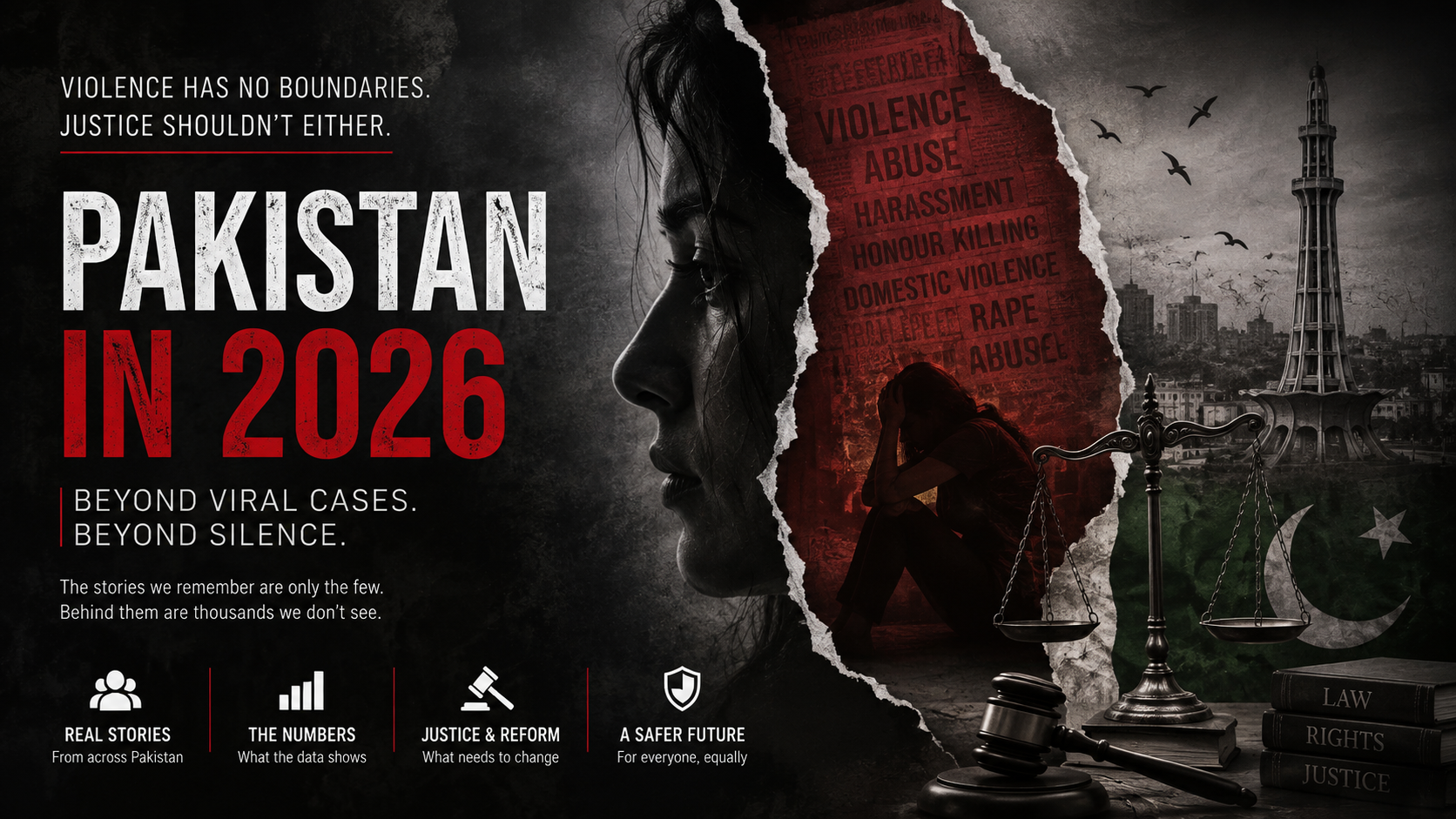
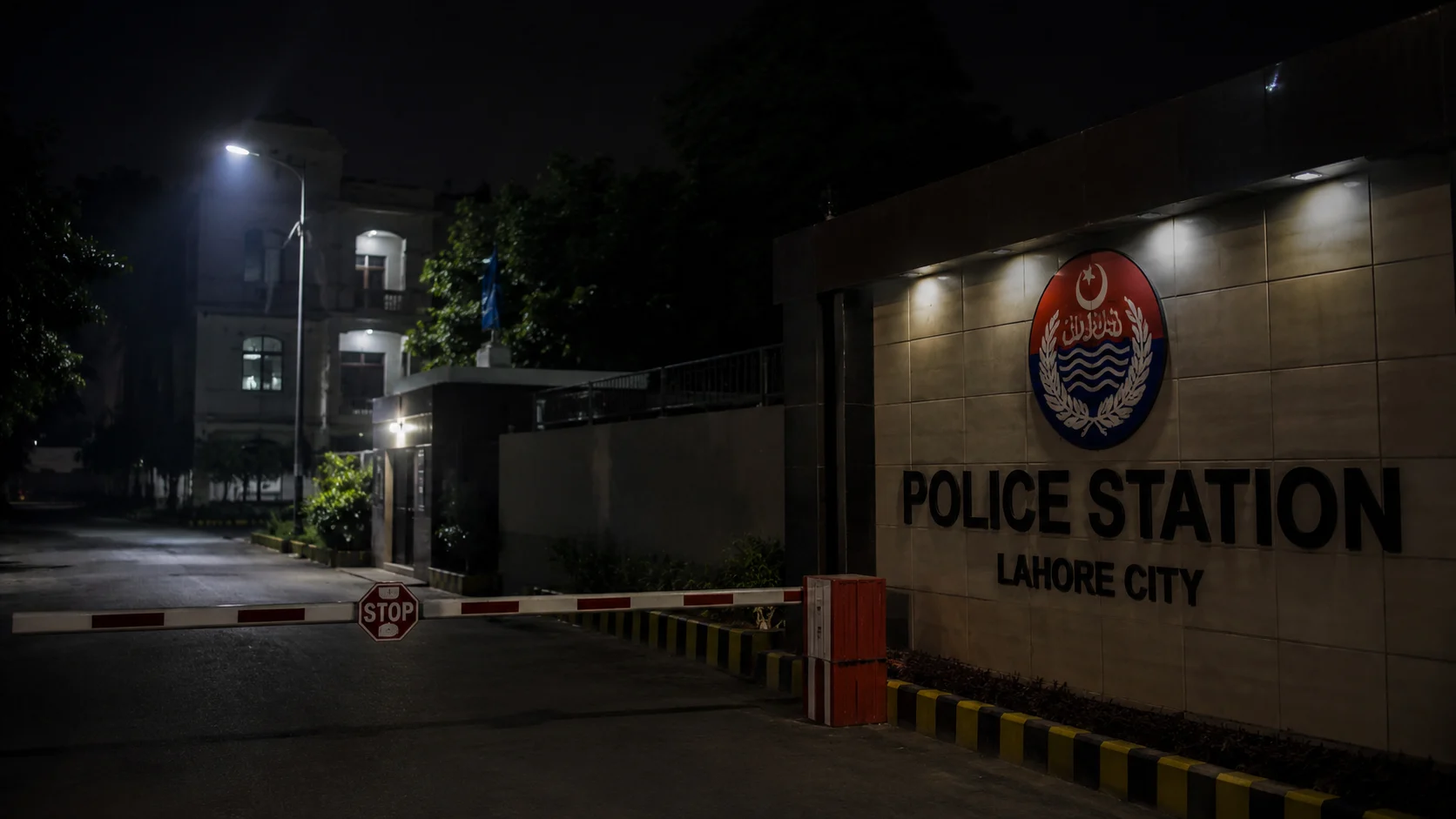
Lahore police restrict women’s presence at police stations after sunset, a decision that brings to light challenges faced by women in urban settings. This policy, claimed to be implemented for safety, many argue, further marginalizes women rather than protecting them. Critics highlight that such measures can reinforce stigma and fear, pushing women away from seeking help and justice. This piece will explore the ramifications of this policy, public responses, and delve deeper into the broader implications regarding women’s rights and societal structures in Pakistan.
Lahore Police Restrict Women’s Presence: A Policy Overview
The recent policy put forth by Lahore police has explicitly limited women’s access to police stations after dark. This decision has been couched in the narrative of increasing safety measures for women. However, the paradox lies in the fact that while its intent appears to be protective, the consequence may be the opposite. Limiting women’s presence in law enforcement spaces inherently sends a message that they are unsafe in these areas, which can discourage them from seeking assistance when necessary.
Understandably, this policy seems to stem from ongoing concerns over women’s safety in urban environments, especially at night. However, it inadvertently addresses the symptoms rather than the root causes of the issues at hand. A better approach would encompass educational outreach, community safety programs, and comprehensive support systems that empower women to feel safe in reaching out for help. By looking at the broader context, we can appreciate the nuances unaddressed by a simplistic policy shift.
Furthermore, law enforcement should ideally serve as a safe haven for all citizens, especially marginalized groups. This restriction undermines that vision, placing undue burdens on women who might find themselves in vulnerable situations. It raises the question of whether these measures truly facilitate safety or perpetuate a cycle of fear and avoidance regarding law enforcement.
The necessity of re-evaluating this approach becomes evident when considering alternatives that could enhance public trust. For instance, investing in infrastructure improvements such as well-lit areas, advanced surveillance systems, and increased patrolling could present viable measures to enhance safety without discrimination. By building trust, the police can create a reciprocal relationship where citizens, including women, feel supported and are more likely to engage with law enforcement when needed.
The Historical Context of Women’s Rights in Pakistan
The restriction imposed by Lahore police is not an isolated incident; instead, it fits into a larger, historical context of women’s rights in Pakistan. Since the establishment of Pakistan, women have faced systemic obstacles that have limited their agency and autonomy across various sectors, including law enforcement. The rollout of restrictions often reflects deep-rooted societal biases and historical precedents that confine women to specific roles within Pakistani society.
From the time of British colonial rule which was characterized by both legal repression and cultural constraints women have struggled for rights and recognition. Over the decades, various movements have fought tirelessly for gender equity. Yet, despite countless initiatives for empowerment, societal norms persist that constrict women’s freedoms.
The enforcement of measures like restricting access to police stations after sunset indicates how far society still has to go. The dreadful duality of ‘protection’ and ‘oppression’ becomes alarmingly clear. Policymakers should not overlook historical contexts that have shaped current dynamics, as this can result in further entrenchment of harmful norms rather than the advancement of women’s rights.
Moreover, looking back at historical movements such as the Women’s Action Forum, one can see the persistent desire for change among Pakistani women. These movements underscore the importance of collective action and legal reforms as crucial means of attaining equality. The history of women’s rights in Pakistan is a testimony to the resilience and strength of women and should remind lawmakers of the need to honor past struggles by enacting progressive policies.
Public Response to the Restriction
The announcement of this policy has met considerable public backlash, primarily through social media platforms and various civil society organizations. Activists argue that restoring trust between law enforcement and women should take precedence over imposing restrictions that alienate potential victims. The narrative crafted by critics frames the police’s actions as an abdication of responsibility to safeguard all citizens equally.
Women’s rights organizations have been particularly vocal, stressing that the focus should be on combatting crime, harassment, and abuse rather than limiting women’s movements. Many are calling for reforms within police departments to mitigate issues of harassment and victim-blaming that often deter women from reporting crimes. By channeling public outrage into actionable change, these organizations aim to hold authorities accountable and enrich the dialogue surrounding women’s safety and empowerment.
Moreover, discussions around this policy have also opened avenues for examining broader societal attitudes toward women. Conversations about toxic masculinity, victimization, and the responsibility of society at large highlight that prohibitive measures might not only be misguided but also counterproductive in the long run.
This discourse is further amplified through media and grassroots campaigns that call for transparency and inclusivity in policymaking. By engaging public opinion, these campaigns foster a sense of shared responsibility and shed light on the pressing need for systemic change. The power of public opinion, when harnessed effectively, can influence policy shifts and motivate authorities to reconsider restrictive measures.
The Legal Framework Surrounding Women’s Rights in Pakistan
To understand the implications of Lahore police restricting women’s presence, it is essential to explore the legal provisions surrounding women’s rights in Pakistan. Pakistani law stipulates numerous protections designed to uphold women’s rights. However, the existence of law and its enforcement often exist in stark contrast.
From the Protection Against Harassment of Women at the Workplace Act to the Domestic Violence (Prevention and Protection) Act, the legal framework articulates a commitment to gender equality. Yet, societal attitudes can undermine these provisions, as many women find themselves at the intersection of prejudice and indifference when seeking legal recourse.
The limitations imposed by Lahore police challenge the legal scaffolding designed to protect women and serve as a reminder of the gaps in law enforcement and judicial systems. For instance, when women are discouraged from approaching the police for matters of safety, it suggests an inability of law enforcement to effectively manage perception and bridge the gap of trust. Engagement in robust discussions about accountability and reform within these systems remain vital to navigate the challenges posed by such policies.
It is equally critical to examine how legal shortcomings are addressed in other jurisdictions, offering comparative insights. For example, initiatives aimed at bolstering women’s representation in law enforcement symbolize a more inclusive approach, allowing for a nuanced understanding of marginalized communities’ needs. Incorporating such practices can serve as an inspiration for Pakistani lawmakers as they strive to ensure the effective implementation of women’s rights laws.
Also Read This Article : Several Terrorists Killed in IBOs in Lakki Marwat
International Perspectives on Public Safety for Women
Lahore police restricting women’s presence at police stations after sunset is not an isolated case, as various countries grapple with similar issues. Global perspectives offer valuable insights into how different nations address women’s safety in public spaces. In many Western nations, approaches to public safety often involve creating inclusive structures that cater to the needs of marginalized communities, particularly women. Community-focused policing strategies have emerged as effective methods to foster relationships between law enforcement and citizens.
Countries like Norway and Sweden exemplify proactive measures, which include targeted campaigns that raise awareness about sexual violence while ensuring that law enforcement agencies engage their populations in meaningful discussions. This cultivates an environment where women feel safe and empowered to report crimes. Such models present stark contrasts to the policy implemented by Lahore police, emphasizing how protective measures should be inclusive rather than exclusionary.
Learning from these international practices provides a roadmap for reform in Pakistan, promoting comprehensive community-oriented policing structures that reflect the real needs of women. Ultimately, a move toward such progressive policies could guide nations toward creating safer public spaces for women.
Moreover, technology has played an integral role in advancing public safety measures worldwide. Apps and platforms designed to provide immediate assistance or connect users with local authorities have seen success in several countries. Integrating cutting-edge technology to enhance women’s safety in Pakistan could mark a transformation, propelling the country towards embracing innovative safety solutions.
The Struggle for Gender Equality: Broader Implications
When Lahore police restrict women’s presence at police stations, it signifies deeper issues regarding gender discrimination and societal norms pervasive in Pakistan. This policy is emblematic of the struggles for gender equality facing various societal structures. Pakistani women, particularly in urban environments, experience multi-faceted discrimination that can restrict their movements, opportunities, and autonomy.
Women’s equality is an ongoing struggle, one defined by systemic barriers that affect education, employment, and social participation. Hence, policy measures that restrict women’s movements only perpetuate a cycle where women are further marginalized as if their movement creates the problem. Such narratives must be challenged if societal change is to occur.
The call for gender equality is not merely an issue of individual rights, but also a rallying point for comprehensive social change. Reforming policies like that of the Lahore police must be part of broader endeavors to tackle systemic inequalities and promote a more equitable society. The voices of marginalized groups can spearhead these changes, emphasizing the need for policies that focus on empowerment, participatory engagement, and a vision for an inclusive future.
This ongoing battle is evident in the labor market, where women continue to face inequities in terms of pay and opportunities. Addressing these disparities requires conscious efforts from all societal sectors, including government, private enterprises, and communities. Hence, incorporating gender equality into the fabric of daily operations and policies paves the way for meaningful and lasting progress.
Future Directions for Women’s Safety in Lahore
The policy implemented by Lahore police serves as both a challenge and an opportunity for rethinking safety measures for women in urban environments. For any real progress to occur, there must be a concerted effort to engage community stakeholders, law enforcement, women’s rights groups, and the public. Collective engagement can illuminate systemic issues, paving the way for reforms that genuinely prioritize women’s safety without isolating them.
Future dialogues should incorporate voices from various sectors including healthcare, education, and civic engagement, allowing for a multi-pronged response to the nuances of women’s safety. Investments in educational programs that empower both men and women to understand gender dynamics can foster healthier social attitudes, steering societal awareness toward shared responsibilities and equitable outcomes.
Ultimately, the initiative must transcend short-term fixes or policies that stem from fear. Sustainable solutions are grounded in community engagement, resourced law enforcement, and public accountability, ensuring that women not only feel secure but are actively integrated into the fabric of societal structures. This approach acknowledges current realities while paving the way for a future where women can exercise their rights freely and without fear of retribution.
Alternative frameworks, including restorative justice approaches and social work interventions, emerge as promising avenues for creating a culture of trust and safety. These methodologies emphasize rehabilitation and community support, showcasing a holistic vision for women’s rights and well-being that other localities may emulate.
Conclusion: Reconsidering Gender Safety Policies
Lahore police restricting women’s presence at police stations after sunset stands as a pivotal moment in the discourse surrounding women’s safety and rights in Pakistan. This policy, while ostensibly aimed at protecting women, ironically perpetuates the very fears it seeks to mitigate. As we examine the historical context, public response, and international comparisons, it becomes evident that meaningful change requires more than restrictive measures; it necessitates a concerted effort to address systemic issues and foster genuine dialogues around safety and empowerment.
The narrative of restriction must shift towards one of empowerment, wherein women feel agency and voice in interactions with law enforcement. For society to evolve, it is vital to challenge both systemic barriers and entrenched societal norms hindering progress toward gender equality. The future of women’s rights hinges on collective action aimed at re-envisioning safety and equality, holding authorities accountable and ensuring an inclusive environment where women thrive. Only then can we foster a society that truly values and prioritizes the rights and safety of all citizens.
Reflecting on the broader implications of this policy can catalyze transformative changes, driving public institutions toward reformative actions. By fostering inclusive environments and maintaining democratic dialogues, societies can create spaces conducive to women’s empowerment, exemplifying a forward-thinking approach to human rights and justice.
Frequently Asked Questions
Why did Lahore police set these restrictions on women’s presence?
Lahore police restrict women’s presence at police stations after sunset ostensibly to enhance safety. However, this policy raises questions about the underlying assumptions regarding women’s safety in law enforcement settings.
How have women responded to this policy?
The response from women and advocacy groups has been predominantly negative, as many feel that these restrictions alienate and marginalize them further, undermining their rights to seek assistance.
What are the historical implications of such policies in Pakistan?
This policy fits into a broader historical context of systemic barriers faced by women in Pakistan, revealing ongoing struggles for gender equity and the need to address societal norms that limit women’s freedoms.
Are there alternative approaches to ensuring women’s safety?
Yes, community-oriented policing models have been successfully implemented in other countries, focusing on engagement and education to foster safer environments for women.
What are the long-term implications for women’s rights in Lahore?
The restrictions can pose significant long-term challenges to women’s rights in Lahore, impacting their interaction with law enforcement and reinforcing gender-based discrimination.



 Muhammad Abdullah |
August 5, 2026
Muhammad Abdullah |
August 5, 2026