






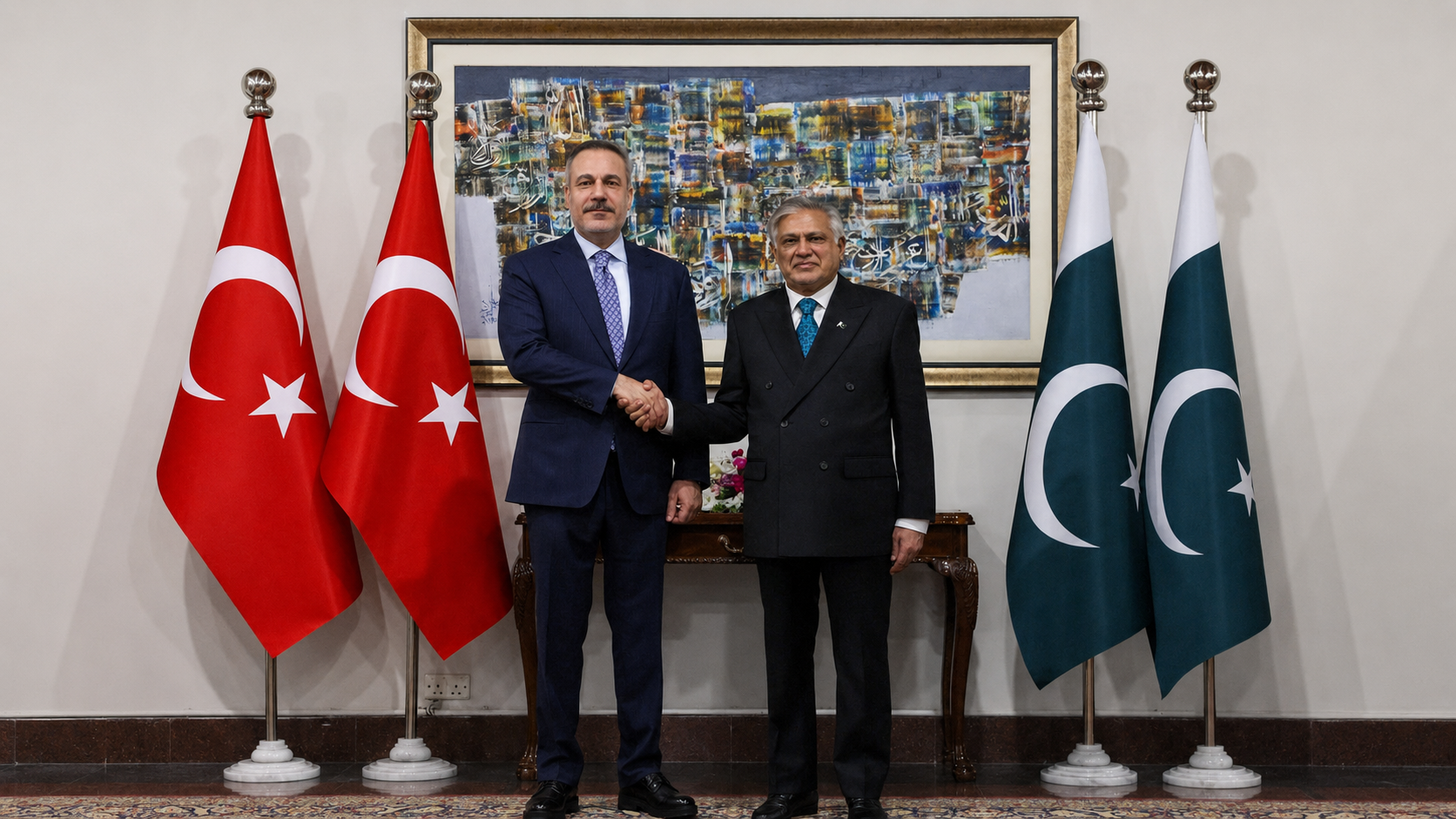

The recent invitation extended by Turkey’s Foreign Minister Hakan Fidan to his counterpart, FM Dar, for the Regional 4 Foreign Ministers’ Meeting marks an important diplomatic engagement in the region. This meeting, taking place in Istanbul, underscores the commitment of these nations to foster dialogue on pressing issues affecting regional security and stability. The significance of this engagement cannot be understated, as it provides a platform for discussing cooperative strategies and addressing mutual concerns that range from counter-terrorism to economic collaboration. In a global context where regional stability is increasingly pivotal, the Regional 4 Foreign Ministers’ Meeting serves as a beacon of hope for collective action among nations. This article will explore the implications of this meeting, the discussions that will take place, and the broader context in which these diplomatic endeavors occur.
Understanding the Regional 4 Foreign Ministers’ Meeting
The Regional 4 Foreign Ministers’ Meeting consists of representatives from Turkey, Iraq, Iran, and Syria, making it a vital assemblage in addressing regional dynamics. This collaboration grew out of the necessity for countries to tackle shared challenges, including security threats and economic integration. The meeting not only facilitates diplomatic relationships but also addresses pressing issues, such as the ongoing conflict in Syria and the geopolitical implications of Kurdish autonomy movements.
Initially, the meeting aims to establish a structured dialogue through which these neighboring states can engage constructively. Turkey’s role as the host signifies its effort to leverage its geopolitical position to mediate and enhance understanding among these nations. It reflects Turkey’s historical ties and evolving relationships with its neighbors, balancing between collaboration and rivalry.
Over the years, this meeting has evolved to include discussions on counter-terrorism strategies, trade enhancements, and collective actions against transnational crimes. The Regional 4 Foreign Ministers’ Meeting serves as a diplomatic forum where these matters can be approached comprehensively, allowing for tailored solutions suitable for each situation faced by these nations.
The meeting also places emphasis on cultural and historical considerations that influence diplomatic relations. The region shares a complex tapestry of cultures and histories that can be leveraged to create more profound connections. Understanding these cultural nuances helps in accommodating the diverse viewpoints and interests that each nation brings to the table. The emphasis on a multilateral dialogue ensures that no single nation dominates the discussions, fostering an environment of equality and mutual respect.
Additionally, the decision to focus on economic collaboration is not just aimed at immediate economic gains but also at nurturing long-term interdependencies that stabilize the region. Economic ties forged in such settings can reduce friction and foster peace not just among the participating countries but across the entire region.
The Impact of FM Dar’s Involvement
FM Dar’s participation in the Regional 4 Foreign Ministers’ Meeting holds significant weight. As a representative of Iraq, he brings with him a unique perspective shaped by his country’s ongoing challenges and aspirations for growth. Given Iraq’s strategic position in the Middle East, FM Dar’s ability to engage in dialogue presents an opportunity to reshape alliances and foster cooperative security arrangements.
In recent years, Iraq has sought to distance itself from sectarian divisions that have historically plagued its foreign relations. By participating in the meeting, FM Dar not only signals Iraq’s commitment to regional unity but also its readiness to work collaboratively on issues affecting all four countries. His role becomes pivotal in bridging divides and addressing concerns related to security, trade, and diplomatic relations.
Furthermore, FM Dar has an opportunity to advocate for Iraq’s economic interests, which can be bolstered through cooperative initiatives with neighboring nations. By capitalizing on mutual interests, Iraq could solidify regional partnerships that contribute to broader economic stability and integration.
FM Dar’s involvement also highlights Iraq’s evolving foreign policy priorities. Intent on establishing itself as a peace broker, Iraq is increasingly active in regional diplomacy. This meeting allows FM Dar to showcase Iraq’s diplomatic prowess, thus elevating its status as a key player in Middle Eastern affairs.
Iraq’s participation can also serve as a catalyst for regional economic initiatives. By promoting infrastructure projects, such as transportation and energy networks that cross national borders, Iraq could position itself as a central hub in regional trade, fostering economic growth and interdependence that is less vulnerable to political fluctuations.
Geopolitical Context of the Regional 4 Foreign Ministers’ Meeting
The geopolitical context surrounding the Regional 4 Foreign Ministers’ Meeting is complex, as it involves years of historical friction, rivalries, and evolving alliances. The Middle East has been fraught with conflicts and issues related to territorial sovereignty, making collaborative approaches crucial. Countries are not only grappling with their internal crises but must also navigate the power dynamics presented by external actors, including global superpowers.
Historically, the relationship between Turkey, Iran, Iraq, and Syria has been shaped by a blend of territorial disputes, ethnic tensions, and political upheavals. Yet the pressing nature of contemporary challenges, such as the rise of extremist groups, demands that these nations adopt a unified front. The Regional 4 Foreign Ministers’ Meeting represents an effort to overcome the legacies of the past and chart a path towards shared stability.
Engagement through meetings like this fosters diplomatic relationships that allow for the pooling of resources, which is essential in the fight against terrorism and other transnational threats. A cooperative approach enhances each nation’s capabilities while also building confidence among them, reducing the likelihood of future conflicts stemming from misunderstandings or miscalculations.
Furthermore, the context is complicated by each nation’s alignment with different international powers. Iran’s relationships with Russia and China, Turkey’s ties to both Western and Eastern blocs, Syria’s ongoing tensions with the West, and Iraq’s attempts to balance several interests create a multidimensional chessboard where every move is scrutinized internationally.
Additionally, the presence of non-state actors and insurgent groups further complicates the geopolitical landscape, prompting the need for intelligence-sharing and collaborative monitoring strategies. This meeting can serve as a platform to harmonize these strategies, ensuring that counter-terrorism efforts are swift and effective.
Efforts to Promote Peace and Stability
Promoting peace and stability is at the heart of the Regional 4 Foreign Ministers’ Meeting’s agenda. The discussions initiated during this assembly focus on addressing the underlying causes of conflict, including economic disparities, social issues, and historical grievances that have fueled resentment among these neighboring countries. Acknowledging and addressing these issues is crucial for long-term stability.
By focusing on dialogue as a means of conflict resolution, the participating countries aim to develop strategies that are sustainable and impactful. Collaborative efforts in this regard include initiatives for economic development and poverty reduction, recognizing that many regional issues stem from socioeconomic factors. Engaging in these efforts can lead to significant progress in countering extremist ideologies that thrive in economically disadvantaged environments.
Moreover, peace initiatives can be bolstered through cultural exchanges and educational programs that promote mutual understanding. The integration of social strategies alongside political initiatives creates a more holistic approach to conflict resolution. This ensures that the peace process does not simply rely on high-level discussions but is also reinforced at the community level.
Educational initiatives, in particular, can play a pivotal role. By investing in education, these nations can cultivate a new generation sensitive to the complexities of regional geopolitics. Understanding is the first step toward positive change, and educated youth can become ambassadors of peace in their communities.
Furthermore, infrastructure development can be a tangible symbol of peace efforts. Projects aimed at rebuilding war-torn areas or enhancing connectivity among the nations serve as a beneficial outcome from cooperation, creating employment opportunities and improving quality of life.
Also Read This Article : JI Stages Nationwide Sit-ins to Protest Rising Fuel Prices
Challenges Facing the Regional 4 Foreign Ministers’ Meeting
Despite its promise, the Regional 4 Foreign Ministers’ Meeting faces numerous challenges that could hinder its effectiveness. One of the most significant challenges is deeply entrenched mistrust among the member states. Historical grievances and rivalrous politics often serve as barriers to open dialogue, and progress can be slow as a result.
The ideological differences and varying national interests of these countries can complicate negotiations. For instance, each nation has unique security concerns that may not fully align with those of others. Achieving consensus requires not only diplomatic finesse but also a willingness to compromise, which can be elusive.
Additionally, external pressures from global powers can influence the dynamics of the meeting. The involvement of superpowers with vested interests in the region could potentially derail efforts if their agendas clash with those of the participating countries. A strategic approach is necessary to navigate these complexities while remaining focused on the collective objectives of the Regional 4 Foreign Ministers’ Meeting.
Another layer of complexity is added by potential public dissent within the participating countries. Populations affected by decisions made without their consent can lead to unrest or skepticism, which may undermine the agreements reached.
Moreover, environmental factors such as water scarcity or resource distribution present pressing issues that may complicate negotiations further. As the region grapples with climate change, these environmental challenges will require robust, cooperative strategies and innovative solutions.
Future Implications of the Meeting
The implications of the Regional 4 Foreign Ministers’ Meeting extend beyond immediate diplomatic conversations. Its outcomes can significantly affect the regional security architecture and the interactions between these neighboring states. Successfully fostering a cooperative environment could pave the way for future collaborations that address various economic and security challenges.
Furthermore, should the meeting lead to strategic agreements, it could set a precedent for trilateral or multilateral dialogues that include other neighboring countries. The success of this meeting could encourage interventions aimed at resolving bilateral disputes and enhancing trust-building measures across the region.
Another important implication lies in its potential to reshape alliances and influence intra-regional dynamics. By demonstrating a commitment to dialogue, the countries involved could shift perceptions internationally, fostering an environment conducive to investment and trade. This could help stabilize economies and create conditions that are less susceptible to unrest.
The meeting could also serve as a model for conflict resolution initiatives in other volatile regions. The ability of these nations to set aside differences charts a path for others globally, signaling that collaboration is possible despite historical animosities.
Additionally, success in this arena could galvanize comprehensive policies on humanitarian issues, such as refugee crises, that affect all involved nations. Coordinated efforts could lead to more sustainable solutions for societies bearing the brunt of displacement and unrest.
Strategic Importance of Istanbul as a Venue
Istanbul holds strategic importance as the host city for the Regional 4 Foreign Ministers’ Meeting due to its historical and geopolitical significance. Situated at the crossroads of Europe and Asia, it represents a melting pot of cultures and influences that resonate throughout the Middle East. This uniqueness adds intrinsic value to the discussions that will take place.
Hosting the meeting in Istanbul also enables Turkey to reaffirm its role as a bridge between East and West, showcasing its capacity to mediate between diverse interests. The significance of the location also serves as a reminder of the interconnectedness of these nations, emphasizing the need for collaborative solutions to common challenges.
Moreover, Istanbul’s historical significance as a center for diplomacy provides an added layer of context to the discussions, reminding attendees of the long-standing tradition of dialogue in the region. The challenges faced today require a renewed commitment to diplomatic solutions, and hosting the meeting in such a significant city sets a progressive tone for future engagements.
The choice of Istanbul as a venue serves additional symbolic purposes. It underscores the importance of open lines of communication regardless of past hostilities or ongoing disputes, reinforcing the importance of maintaining dialogue channels.
Furthermore, Istanbul as a location emphasizes an outward-looking perspective for the meeting, encouraging the participants to consider broader global dynamics alongside regional affairs. This strategic placement seeks to penetrate isolationist tendencies, inviting engagement with global economic opportunities and challenges.
The Role of Civil Society and Public Perception
The success of the Regional 4 Foreign Ministers’ Meeting does not solely rest on ministerial discussions; it is equally dependent on the role of civil society and public perception in each of the participating nations. Public support for diplomatic initiatives can help legitimize decisions made by foreign ministers and contribute to long-lasting agreements.
Engaging civil society, including non-governmental organizations, cultural institutions, and grassroots movements, can foster a greater awareness of regional issues and encourage citizen participation in peace-building efforts. Additionally, it opens avenues for dialogue that extends beyond political elites, facilitating bottom-up approaches that can complement top-down negotiations.
Public perception also plays a crucial role in how the outcomes of the meeting are received. Positive media coverage and public discourse can elevate the agenda of peace and stability, placing pressure on decision-makers to prioritize these goals. Misinformation or negative publicity, on the other hand, could detract from diplomatic efforts and stall progress. Therefore, transparency and open communication concerning the meeting’s objectives are essential.
The role of education and media in shaping public perception cannot be overstated. By educating populations on the nuances of diplomacy and regional politics, civil society can galvanize public opinion in support of peace and collaboration.
Crucially, promoting a more participatory approach to diplomacy through involving diverse voices expands the legitimacy and effectiveness of the meeting’s outcomes. Such inclusion helps bridge divides and cultivate a more holistic understanding of shared challenges, thereby fostering a climate of mutual respect and cooperative spirit.
Conclusion: A Path Forward
The invitation from Turkey’s Foreign Minister Hakan Fidan to FM Dar for the Regional 4 Foreign Ministers’ Meeting is not merely an event; it is a pivotal moment in the pursuit of diplomatic engagements aimed at fostering stability in the region. As these nations come together to discuss lasting solutions to their shared challenges, the potential for transformative partnerships and collaborations becomes evident.
While the journey toward stability may be fraught with challenges, the commitment to dialogue and cooperation symbolizes a proactive approach to conflict resolution. This meeting has the potential to alter the landscape of regional politics, contributing to a more stable and secure Middle East.
Monitoring the outcomes of the Regional 4 Foreign Ministers’ Meeting will provide insights into the possibilities of forging a new path forward. Collaborative efforts to address mutual concerns, economic integration, and cultural exchanges are critical stepping stones that could enhance ties among Turkey, Iraq, Iran, and Syria. The willingness to engage in constructive dialogue presents an opportunity for these nations to redefine their relations and work collectively toward a prosperous future.
Frequently Asked Questions
What is the Regional 4 Foreign Ministers’ Meeting?
The Regional 4 Foreign Ministers’ Meeting is a diplomatic forum involving Turkey, Iraq, Iran, and Syria, aimed at addressing regional security and stability issues.
Why is this meeting considered significant?
This meeting is significant as it promotes dialogue among neighboring countries facing mutual challenges, fostering cooperation on issues like counter-terrorism and economic development.
What topics will be discussed at the meeting?
Topics at the Regional 4 Foreign Ministers’ Meeting will include security collaboration, economic integration, and strategies for addressing ongoing regional conflicts.
How can civil society contribute to the meeting’s success?
Civil society can contribute by promoting public awareness and supporting grassroots efforts aimed at fostering peace and stability in the region during and after the Regional 4 Foreign Ministers’ Meeting.
What are the implications of the meeting for future regional relations?
The meeting could lead to strengthened alliances, collaborative initiatives, and improved trust among the participating countries, paving the way for a more integrated approach to regional issues.