





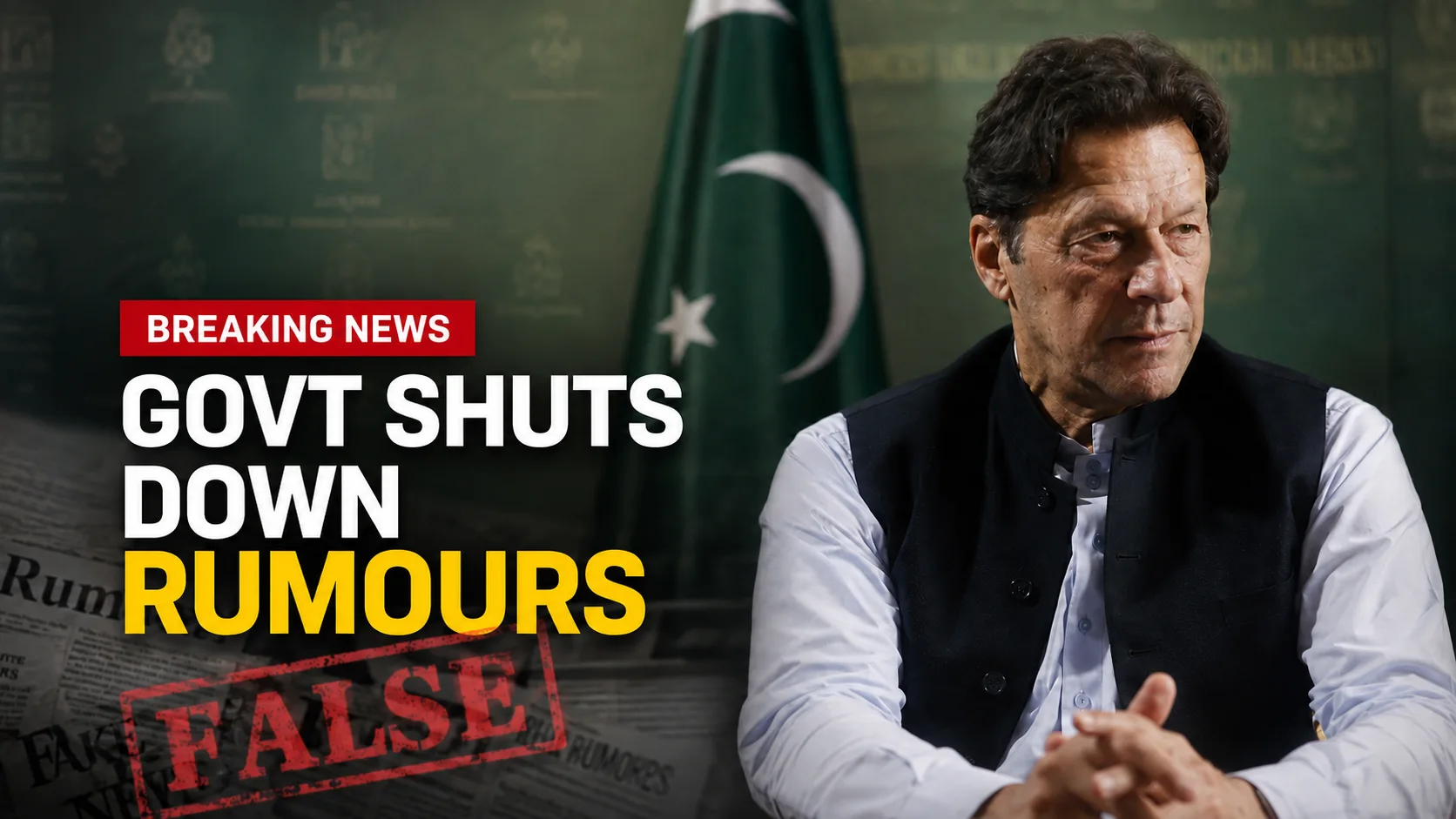

The recent developments surrounding the health of former Prime Minister Imran Khan have led to widespread speculation and rampant rumors. The government’s latest announcement has successfully put the ongoing discussions to rest, clearly stating that Khan’s recent hospital visit was merely his seventh medical check-up. With this clarity, the government perfectly shuts down the rumour mill that had spiraled out of control. In today’s fast-paced information environment, misinformation can spread like wildfire, especially when it pertains to a high-profile figure like Imran Khan. This blog post explores the unfolding story, the significance of government intervention, and the implications for both Khan and the political landscape in Pakistan.
Understanding the Context: Imran Khan’s Medical Visits
Imran Khan, a polarizing figure in Pakistan’s political arena, has faced significant scrutiny regarding his health since his removal from office. Speculations often arise around the health of prominent leaders, which can sometimes be manipulated for political gain. Khan’s recent seven medical check-ups have fueled various rumors ranging from allegations of serious health issues to speculations about his potential for a political comeback. It’s crucial to discern fact from fiction, especially given the political climate in Pakistan, which often resembles a chess game where every move can shift the balance of power.
The government’s announcement aimed to clear the air is notably important in dispelling the notion that Khan’s health is failing. Transparency plays a critical role in maintaining public trust, and by providing accurate information, the government sends a strong message against the backdrop of rampant speculation. Moreover, it casts light on how essential accurate reporting is in today’s media landscape, which can either help pave the way for informed discussion or contribute to the spread of misinformation.
The line between genuine concern and sensationalism is often blurred, and it becomes even more complicated when a leader like Imran Khan is involved. The multiple check-ups could be indicative of various underlying health concerns; however, labeling them without context serves no purpose but to fuel speculation. Here, we see how the government’s intervention against this background serves as a reminder to prioritize accuracy in reporting.
Furthermore, historical precedents show that health rumors about political figures are not uncommon. Leaders around the world have faced similar scenarios where misinformation around health was capitalized on by political opponents. This highlights the universal nature of political discourse marred by unverified claims, reinforcing the necessity for strong governmental and media checks to maintain authenticity in public discussions.
This understanding of context extends to the broader impact of health-related rumors how they can heighten public anxiety or instability in governance. Leaders, already in a position of immense responsibility, are further burdened by the implications of health rumors. Policymakers, therefore, must prioritize clear communication strategies to navigate these complex issues effectively.
Political Implications of the Health Rumours
The ongoing rumors about Imran Khan’s health not only affect public perception but also play a significant role in the political gaming strategy within Pakistan. When a leader’s health comes into question, it opens doors for both criticism and empathy among the populace. Supporters may rally around him, arguing that he is being unjustly scrutinized, while opponents may seize the opportunity to present the narrative that the leader is unfit to return to power.
Politically, the government’s decision to publicly announce Khan’s visits acts as damage control. It reinforces the idea that the ruling party is transparent and accessible, qualities that are often lacking in politics globally. Such measures can bolster their image, especially when they aim to clarify or deny unfounded claims. Knowing that the public is observing the health of political figures can lead to changes in tactics to either support or undermine their careers.
The ripple effect of these rumors can extend beyond Khan’s individual circumstance, affecting the overall political dynamics in Pakistan. If left unchecked, misinformation can easily sway public opinion and even impact future elections. Khan’s supporters may become more vocal and engaged, while his opponents could capitalize on their rival’s vulnerabilities. This delicate political interplay underscores the importance of factual representation.
The ability to control the narrative is central to political strategy. The announcement about Khan’s health serves as a critical move in this game of perceptions. This aligns with global political strategies where controlling information flow about a leader’s health can safeguard regime stability or potentially destabilize it. These scenarios show that political longevity often hinges on managing optics as much as actual governance.
Moreover, in the context of Pakistan’s varied political landscape, the dissemination of accurate information holds more significant implications. Political alliances often sway based on leader viability, and rumors can rearrange these allegiances, showcasing the broader implications of health rumors on policy direction and national discourse.
The Role of Media in Health Rumours
In any society, the media has the power to shape public perceptions to a great extent. In the case of Imran Khan’s health, media outlets have played both the role of informants and sensationalists. While it’s crucial for the press to cover high-profile figures and their health developments, there is a fine line between reporting and sensationalism. Often, in the quest for higher ratings or clicks, responsible journalism may take a backseat.
Moreover, the rapid spread of misinformation through social media complicates the media landscape further. Various platforms serve as breeding grounds for unverified information, creating an ecosystem where the truth sometimes becomes indistinguishable from fiction. User-generated content can accelerate the spread of rumors, meaning that media outlets must tread carefully and always seek verification before publication.
This situation places a moral responsibility on journalists to uphold the principles of integrity and accuracy. The government’s effort to clarify Khan’s medical situation acts as a reminder that relying on speculation can lead to public confusion and distrust. Media literacy, therefore, becomes crucial, allowing citizens to discern misinformation and seek credible sources.
The media’s influence extends beyond mere public perception; it plays a crucial role in influencing policy and governance strategies. In cases of health rumors, exaggerated reporting can lead to destabilizing effects on national governance by promoting perceptions of leadership weakness. This reflects a broader global trend where media, intentionally or unwittingly, can become tools for political agenda rather than neutral information sources.
Furthermore, media entities often serve varying interests, and sensationalized stories can cater to specific group agendas. Understanding this dynamic is essential to formulating responses that focus on promoting responsible journalism and an informed public. The government’s recent action, therefore, is emblematic of the pressing need to collaborate with media entities to ensure accuracy in public narratives.
Public Reaction to the Government’s Clarification
The government’s announcement aimed at calming the rumour mill has elicited a variety of responses from the public. Some citizens welcomed the transparent communication, appreciating the government’s effort to curb misinformation. They felt reassured by the clarification surrounding Khan’s health and were able to make informed opinions regarding the former Prime Minister’s prospects.
On the other hand, skeptics argue that the government’s statement comes too late. Given the weeks of rampant speculation, many feel that this disclosure is merely a reactive attempt to regain control of the narrative rather than a proactive initiative. This sentiment raises questions about how governmental bodies can ensure timely communication to forestall the spread of misinformation in the future.
Moreover, public sentiment often hinges on the relationships and loyalties established between citizens and their leaders. As a result, the effectiveness of the government’s statement depends on its perceived authenticity. Social media responses have been mixed, showcasing both support and skepticism in almost equal measure. It exemplifies how the public reacts not merely to the news itself but also to how the news is delivered.
The broader reactions speak to the political culture in Pakistan, where public trust in institutions can vary widely. Engagements around Khan’s health reveal underlying currents in public sentiments toward governance and trust. The varying responses also create an opportunity to critically evaluate the mechanisms of governmental communication and its alignment with public expectations.
This dynamic underscores a global challenge: balancing timely communication with ensuring accuracy. As public scrutiny heightens, the government’s ability to engage transparently and quickly becomes a benchmark for trust-building measures. Consequently, this offers an opportunity to view Imran Khan’s scenario as a case study for effective crisis communication strategies.
Also Read This Article : Dealers Margin on Petrol and Diesel Increased by Rs 1.34
Psychological Impact of Rumours on Public Figures
The psychological toll that health rumors take on public figures cannot be understated. For Imran Khan, the burden of scrutiny surrounding his health can generate immense pressure. Constant speculation may contribute to increased stress levels, affecting not only well-being but also political efficacy. This scenario points to the broader implications of media and public discourse on mental health, especially for well-known personalities.
Besides affecting individual leaders, these rumors have a ripple effect on those who support or oppose them. For example, a loyal supporter may experience frustration or anger when they read negative information about their leader. On the contrary, opponents may feel emboldened by such rumors, fueling a sense of vindication. The emotional stakes in political realms run high, and health rumors often draw deeply personal responses from the public.
Consequently, the discussion around Imran Khan’s health transcends the individual level. It raises broader questions concerning how society engages with health-related narratives and the ethical boundaries of sharing potentially damaging information. Understanding these psychological impacts becomes essential for developing a more compassionate political discourse.
Moreover, the psychological implications extend beyond the immediate political figures to influence broader societal norms on how leaders are perceived. This reinforces the need for a balanced discourse that acknowledges the human element within political narratives. By understanding the psychological dimensions, policy frameworks can be adjusted to protect individuals from potential mental health challenges arising out of public life.
The impact on family members and close associates is another often overlooked aspect. The constant scrutiny and narrative stress not only the leaders but also their immediate circles, reflecting a cascading effect of public pressure that calls for greater sensitivity in public discourse.
Impact on Imran Khan’s Political Future
The future of Imran Khan’s political career remains in limbo. Given that rumors about his health are now partially addressed through the government’s statement, what does this mean for Khan as he navigates his political path? His supporters may regard the announcement as a positive sign of his resilience, while opponents might continue to challenge his capacity for leadership.
This uncertainty catalyzes several important questions: Will Khan respond to the government’s assertions, and how will he use this moment to galvanize his support base? As someone who has historically adeptly navigated political challenges, Khan’s path from here will require careful strategizing. The implications of his health rumors also extend to party dynamics and could spark shifts in allegiances.
The interplay of public perception, media portrayal, and overall political strategy will necessitate adaptability as Khan moves forward. Rebuilding public faith may require transparency on his end, thus fostering a constructive dialogue around his health and governance capacity. The ramifications of this situation could have lasting effects not only on Khan but also on the future of Pakistani politics.
Furthermore, this situation might serve as a litmus test for Khan’s resilience and adaptability. His ability to emerge from this crisis could define his legacy and influence his ability to effectuate meaningful political reforms. The international community and media will be keenly observing his next steps, adding an additional layer of complexity to his political maneuvers.
Moreover, the situation may influence intra-party power dynamics within Khan’s political platform, as party members might reassess their positions based on his perceived strength and strategy moving forward. The broader implications of this challenging phase will echo beyond Khan’s immediate career, potentially setting new precedents in political behavior and governance strategies in Pakistan.
Lessons Learned: The Importance of Transparency and Accuracy
The situation surrounding Imran Khan’s health highlights the need for transparency and accuracy in political discourse. In the age of rapid information dissemination, where social media plays an increasingly influential role, the capacity to manage narratives effectively is paramount. The government’s successful move to clarify Khan’s health serves as a case study in addressing misinformation.
From political leaders to ordinary citizens, the lessons learned from this experience resonate on multiple levels. Individuals must take responsibility for the information they choose to believe and share. Meanwhile, leaders and governments must strive to promote transparent communication to foster trust, especially in times of uncertainty.
Moving forward, it becomes essential to advocate for media literacy within society. The populace must be trained to question sources critically and seek truth. In doing so, we can shield our communities from the pernicious cycle of misinformation that can erode trust in governance and societal institutions as a whole.
Additionally, this scenario underscores the necessity for proactive crisis management strategies that can preemptively tackle misinformation before it spirals. By establishing clear communication protocols, governments can efficiently address uncertainties relating to leadership or governance and maintain national stability.
Furthermore, fostering a culture of transparency and open dialogue between the public, media, and government could lead to more productive discussions. Establishing frameworks where different stakeholders can engage constructively may act as a deterrent against future misinformation crises, ultimately strengthening the democratic fabric.
Conclusion: Navigating Future Discussions
The recent announcement by the government to clarify and quell rumors surrounding Imran Khan’s health is a pivotal moment, not just for Khan but for the broader Pakistani political landscape. The significance of this event is underscored by the analysis of how rumors can affect public perception and the ramifications that misinformation has on political dynamics. By successfully dispelling unfounded rumors, the government has sent a strong message regarding the importance of transparency and accuracy.
Moreover, this situation serves to remind both the public and media about the potential consequences of sensationalism. The delicate nature of political narratives requires responsibility from all stakeholders involved. By fostering a culture of informed dialogue, the implications for future governance and public discourse can lead to healthier political engagement.
In an era where misinformation can spread unchecked, the need for vigilance, responsibility, and engagement has never been more critical. As Imran Khan navigates his future, he will need to incorporate these lessons into his strategy moving forward. The rumors around his health may have been deflated, but the overall challenge of maintaining public trust remains ever-present in the ever-evolving political landscape of Pakistan.
Ultimately, the current discourse surrounding Imran Khan’s health could lead to broader reforms in how political communication is managed in Pakistan, potentially setting a precedent for addressing future challenges in political communication, media responsibility, and public engagement. With vigilant efforts toward transparency and accuracy, the nation could enhance participatory governance and strength in leadership perceptions.
Frequently Asked Questions
Why was Imran Khan’s hospital visit made public?
The government decided to clarify Imran Khan’s hospital visit to dispel growing rumors about his health, effectively showing that it was merely his seventh medical check-up and nothing more serious.
How do health rumors affect political figures?
Health rumors can significantly impact public perception, causing anxiety among supporters and opponents alike, affecting both the individual’s mental state and political strategies.
What role does media play in health-related discussions?
Media serves as both a source of information and a platform for spreading rumors. Responsible journalism is critical to ensure accurate representation of health issues surrounding public figures, like Imran Khan.
How can misinformation be prevented in politics?
Promoting transparency and accuracy through responsible communication from politicians can help combat misinformation. Public education on media literacy is also essential to discerning fact from fiction.
What does the future hold for Imran Khan politically?
Following the government’s statement, the future for Imran Khan remains uncertain. His response and ability to navigate the public discourse will be crucial in shaping his political trajectory.