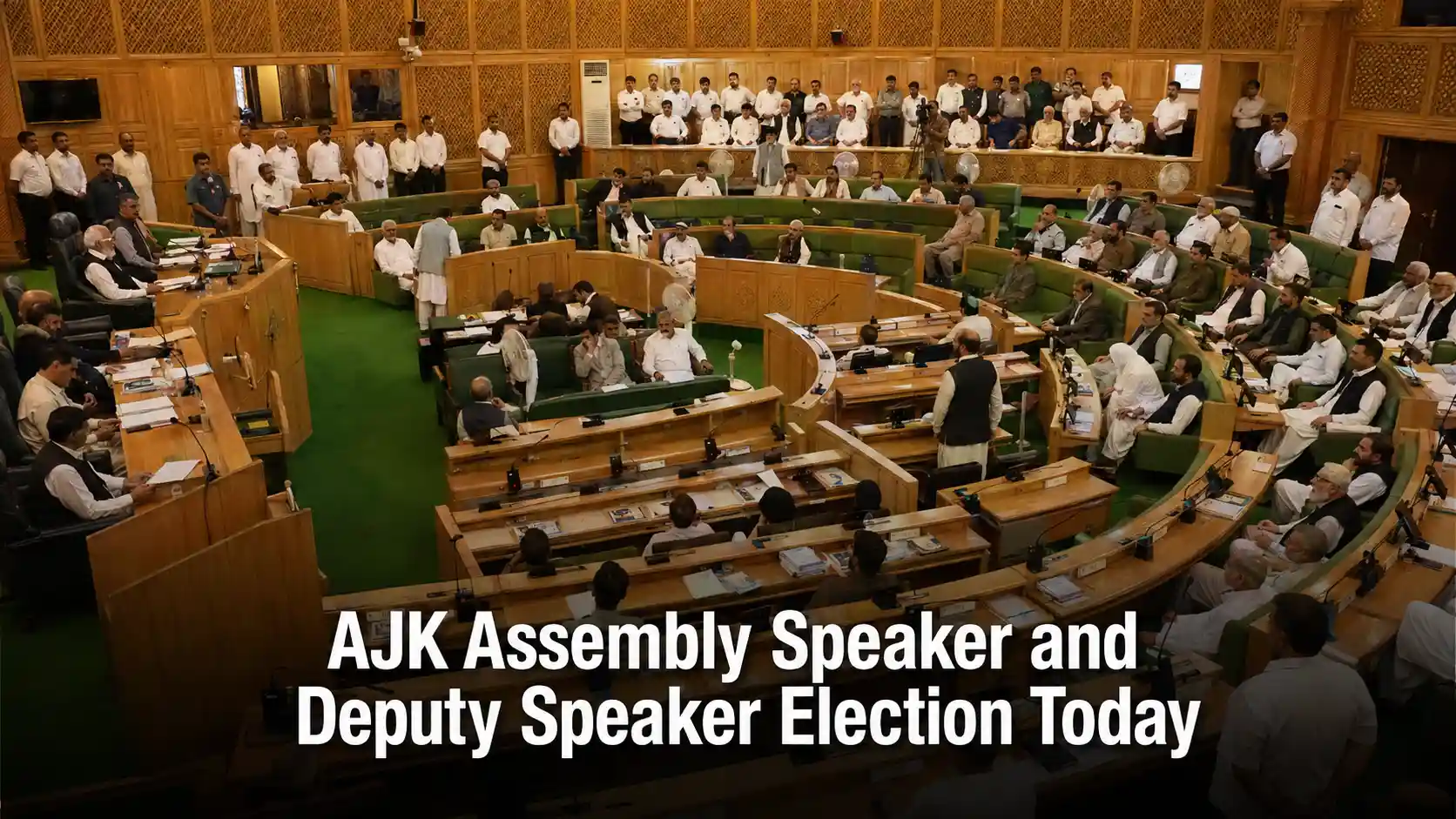
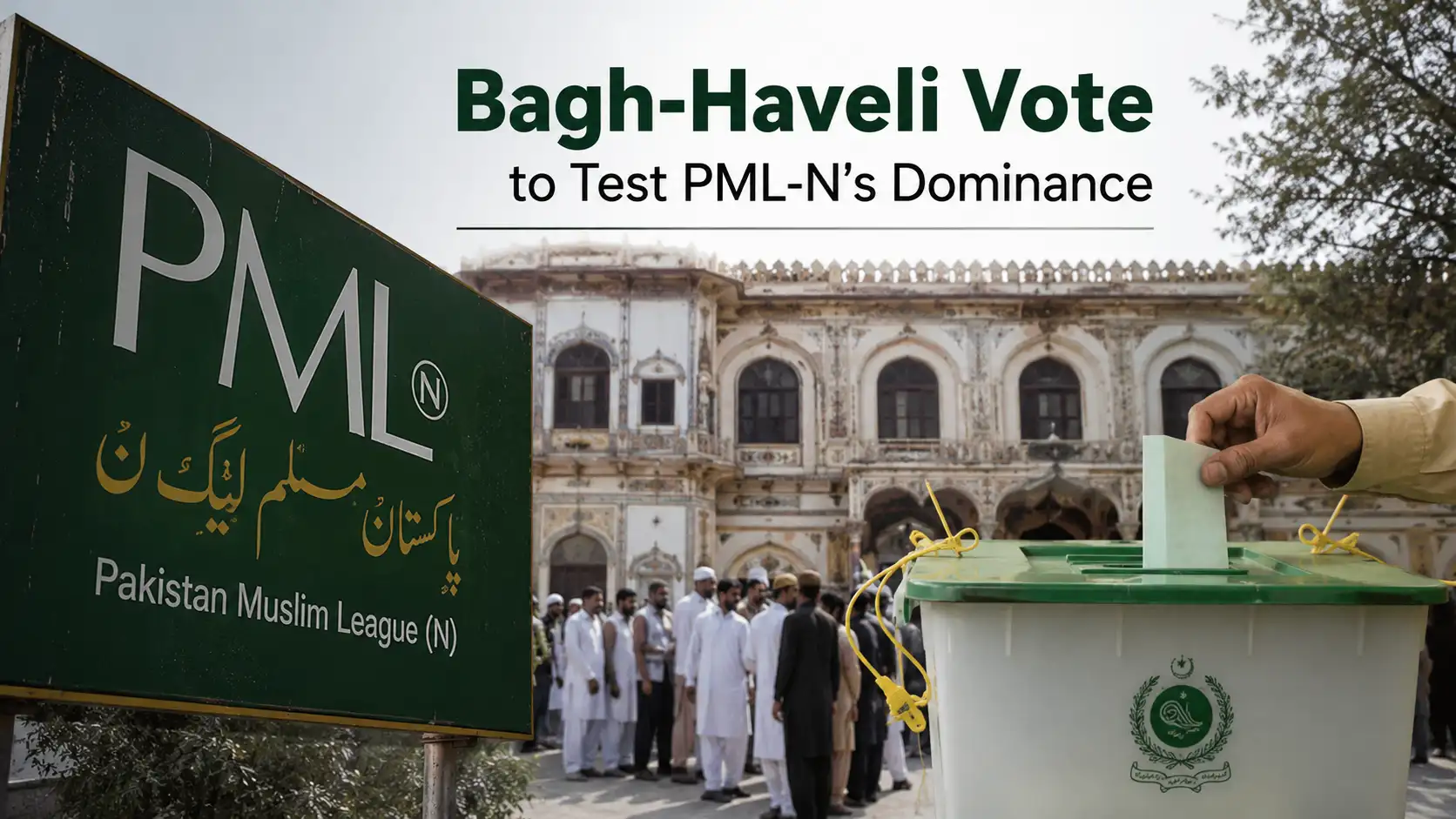
The Bagh-Haveli vote to test PML-N’s dominance is shaping up to be one of the most pivotal battles in the ongoing elections for Azad Jammu and Kashmir (AJK). With a staggering 82 candidates contesting for just four available seats, the intensity and significance of this electoral phase cannot be overstated. The contest draws attention not just for the number of candidates involved, but also for the implications it has on the political landscape of AJK and the standing of the Pakistan Muslim League-Nawaz (PML-N) in particular. Political analysts predict that the outcomes here will deliver critical insights into the party’s current influence and future trajectory. With mounting pressure and a competitive field, this election can define the PML-N’s relevance in what many view as a bellwether region for broader Pakistani politics.
Understanding the Importance of Bagh-Haveli Elections
The Bagh-Haveli vote to test PML-N’s dominance holds immense political significance for a variety of reasons. First and foremost, the AJK elections are often seen as an ideological battleground that reflects the broader sentiments of the Pakistani populace, especially in provinces like Punjab, where the PML-N traditionally has a stronghold. These elections serve as a crucial diagnostic tool for measuring party popularity, governance record, and the extent of grassroots support.
Moreover, AJK has historically been a strong bastion for PML-N, and any signs of weakness here could signal a broader decline in the party’s influence across the country. As political rivalries intensify, particularly with opponents like the Pakistan Tehreek-e-Insaf (PTI) and Pakistan Peoples Party (PPP) also fielding strong candidates, the ramifications of these elections extend far beyond Bagh-Haveli itself.
In essence, this election can determine the fate of various politicians and parties in upcoming general elections, thus making it an event that transcends local boundaries and enters national discourse. The narrative being cultivated around these elections will likely shape public opinion and political strategies for months to come.
Another critical aspect of the Bagh-Haveli elections is their potential to serve as a reflection of regional policies’ effectiveness. Over the years, regional governance has been under scrutiny, and voters often use this platform to express satisfaction or dissent. Consequently, the results will offer insight into the region’s mood, particularly what the electorate demands in terms of development and governance.
Additionally, the Bagh-Haveli elections often have a spillover effect on policy discussions in the national arena. Political leaders from other regions take cues from the results to align their strategies accordingly, making it not just a local affair but a nucleus of broader political conversation in Pakistan.
Electoral Landscape: 82 Candidates, 4 Seats
The sheer volume of candidates contesting for a mere four seats in Bagh-Haveli makes this election a crowded and competitive landscape. Out of the 82 candidates, a mix of established politicians, newcomers, and local activists are all vying for a chance to represent their communities. This level of participation indicates a healthy democratic process but also raises concerns about vote fragmentation and the dilution of strong candidates.
This crowded field presents a peculiar set of challenges for voters, who may find it difficult to discern the most qualified candidates amidst a plethora of options. The ballot will likely be complicated, with many parties and independents jostling for attention. This environment demands that candidates be strategic in their campaigns, focusing on clear messaging and outreach to effectively engage constituents.
With stakes this high, candidates will need to quickly adapt to emerging trends in voter sentiment, which are often influenced by broader national issues, from economic challenges to regional governance. Therefore, the strategies employed will serve as a window into the evolving preferences of the electorate in Bagh-Haveli.
Moreover, the large number of candidates implies a complex interplay of individual and party strategies. Each candidate must not only appeal to particular voter segments but also navigate inter-party alliances and rivalries that often play out behind the scenes. This dynamic can result in unexpected endorsements or coalition-building efforts that shift voter dynamics unexpectedly.
Furthermore, the crowded field underlines the diverse political aspirations present in AJK. The participation of 82 candidates reflects the desire for political involvement and change, suggesting an electorate eager for representation that truly echoes its needs and challenges.
The Role of PML-N in Bagh-Haveli
As the party that has traditionally dominated the political landscape in Bagh-Haveli, the PML-N is under immense pressure to perform well in this electoral cycle. The party’s influence in the region can be attributed to its past governance, public service initiatives, and strong local leadership. However, the political climate has shifted dramatically in recent years, with the rise of challenger parties leading to a more fragmented electoral field.
Addressing this challenge head-on, the PML-N has ramped up its campaign efforts, utilizing both traditional and digital media to connect with voters. Their strategy appears centered on reinforcing past achievements while promising future benefits to constituents, a tactic that has shown mixed results in changing political environments.
The implications of this electoral battle for PML-N cannot be overstated; a poor showing may not only weaken its hold on Bagh-Haveli but also signal a potential decline in influence across Punjab. The party’s structure, community engagement, and responsiveness will be tested, and the lessons learned from this election may dictate future electoral strategies and maneuvers.
For PML-N, winning in Bagh-Haveli represents not just retaining a territory but affirming its overarching ideology and policy successes. It becomes a matter of not only influencing individual voters but solidifying its historical narrative of leadership and capacity, crucial for bolstering morale within its ranks.
In the context of national politics, a strong performance in Bagh-Haveli can serve as a catalyst for PML-N’s broader strategies. Success here may empower the party leaders to propose progressive policies confidently and pursue more significant political reforms, leveraging their renewed mandate from this important region.
Challenges PML-N Faces in the Current Election
While the PML-N retains a loyal following, several challenges loom large as it seeks to maintain its dominance in the Bagh-Haveli vote to test PML-N’s dominance. First, internal divisions and party dissent can dilute its effectiveness and create opportunities for rival parties. The discontent among certain factions within the party has been publicly noted, and can present hurdles in presenting a unified front.
Additionally, electoral fatigue is setting in for many voters, who may feel disillusioned by broken promises or ineffective governance. This sentiment contributes to the notion that change is needed, leading some segments of the population to consider alternative parties more seriously, particularly PTI and PPP. Such shifts could sway outcomes dramatically.
Lastly, alleged corruption scandals and governance issues have tarnished the PML-N’s image. They must address these concerns proactively to reassure voters that they are still the best option to deliver on substantive issues like jobs, infrastructure, and social welfare. A failure to adequately respond could serve as a significant detriment during this election.
Furthermore, the PML-N faces a social media environment that is both an opportunity and a threat. The digitization of political discourse means that any misstep, scandal, or ineffective communication can become viral, amplifying criticisms faster than they can be managed. Therefore, digital strategy and crisis management become paramount to mitigate potential backlash.
Educational outreach also poses an additional challenge for PML-N. Explaining their policies and counteracting misinformation requires substantial investment in voter education initiatives. The party must illuminate its platforms’ benefits clearly and concisely, aligning with what the electorate currently perceives as pressing issues.
Also Read This Article : Photo Exhibition Highlights Pakistan’s Rich Cultural Heritage
Voter Sentiments and Expectations
Understanding voter sentiments is essential for grasping the dynamics of the Bagh-Haveli vote to test PML-N’s dominance. Recent surveys have hinted at a growing desire for transparency and accountability among voters, indicating a shift away from traditional party loyalties towards candidates who can genuinely speak to the electorate’s needs.
Many voters express frustration over issues of economic instability, rising living costs, and inadequate services. These challenges shape their expectations from candidates, with many prioritizing pragmatic solutions over partisan allegiance. Candidates that articulate clear and actionable plans resonate more with constituents, especially the youth demographic, who are looking for progressive governance.
Listening to these sentiments, the PML-N must recalibrate its messaging to address both immediate concerns and long-term goals. This is pivotal not only for Bagh-Haveli but also for their broader electoral strategy moving forward as changing voter needs and preferences could redefine political affiliations.
Additionally, an important dimension of voter sentiment involves historical grievances and aspirations. Voters frequently compare current challenges with past promises and achievements. Thus, any candidate or party invoking historical continuity may appeal to nostalgia and pride but must balance this with innovative solutions to current problems.
The shifting demographic landscape also fuels new voter expectations. As younger, more tech-savvy voters become a more significant percentage of the electorate, there is a demand for clarity, innovation, and digital engagement. Addressing these multigenerational expectations is crucial for securing a comprehensive voter base.
Impact of Regional Politics on Bagh-Haveli Elections
The regional political scenario influences the Bagh-Haveli vote to test PML-N’s dominance significantly. Political maneuverings and alliances make it critical for candidates to align themselves with regional power dynamics. This creates complex interactions whereby local parties often align with national ones, leveraging their influence and resources for electoral advantage.
Competition will not only be among the PML-N and its rivals but also among local factions who may seek to undercut the influence of the national parties. This makes understanding regional politics crucial for candidates aiming to gain traction. The support of local influencers or key community leaders can significantly enhance a candidate’s prospects, while estrangement from these entities could prove disastrous.
Moreover, this election reflects national trends in Pakistan, including how governance issues at a central level can resonate with local challenges. As conflicts over resources, power, and representation play out on a smaller scale, candidates must navigate these waters carefully, often relying on their knowledge of local political currents.
Regional politics also plays a pivotal role in resource distribution and policy implementation. Decisions made in AJK’s political arena often impact neighboring regions and vice versa, accentuating the interdependence of these areas. Candidates must, therefore, be both locally focused and regionally aware to navigate this intricate web effectively.
Furthermore, the growing influence of bureaucratic and administrative layers adds an additional challenge to candidates. Understanding regional governance frameworks, historical land issues, and local infrastructure plans becomes necessary for crafting policy propositions that address voters’ comprehensive needs.
The Role of Media in Shaping Public Perception
The Bagh-Haveli vote to test PML-N’s dominance will occur in an era dominated by digital information. Media portrayal, both traditional and social, will significantly affect public perception and voter turnout. We are witnessing an accelerating trend where voters consume news through social media channels, which not only influence opinions but also drive grassroots mobilization.
Effective media campaigns can catapult candidates to recognition, helping them combat the visibility challenge presented by the overwhelming number of contenders. On the other hand, negative media coverage can damage reputations and undermine campaigns if not managed adeptly. The mishandling of narratives can easily derail a candidate’s chances, making media training and savvy communication strategies key elements of any campaign.
Social media also enables direct engagement between candidates and voters, creating a platform for instant feedback and dialogue. Candidates who adeptly use these channels can cultivate a more intimate connection with their base, driving their outreach strategies to cater to the pulse of the public. The balance struck between traditional methods and modern digital strategies will ultimately determine their effectiveness.
Moreover, the proliferation of fake news and misinformation poses a substantial risk. Candidates need not only to spread positive messages but also to combat false narratives that may harm their campaigns. Strategies around fact-checking and digital literacy become part of the necessary toolkit for modern political campaigns.
Furthermore, media outlets themselves often have political alignments that must be navigated. A nuanced understanding of this landscape allows candidates to tailor their messages more effectively, ensuring that they reach sympathetic ears while engaging critics through constructive dialogue.
The Future of PML-N: What Lies Ahead?
The outcome of the Bagh-Haveli vote to test PML-N’s dominance will shape the future trajectory of the party. Should they maintain their foothold in this critical area, it would significantly bolster their confidence heading into subsequent elections. This could lead to strategic reassessments and revitalization efforts aimed at consolidating their base across AJK and Punjab.
However, a setback in Bagh-Haveli would likely trigger introspection within the party’s ranks and raise existential questions about its relevance and effectiveness. Party leaders may need to engage in a thorough evaluation of their strategies, candidate selections, and public engagement methods moving forward.
As the political landscape continues evolving, adaptation will be crucial for the PML-N. They must take concrete steps to connect with younger voters, align their policies with public needs, and address criticisms head-on to remain a key player in Pakistani politics. The lessons learned from this electoral cycle could fortify or fracture their political standing.
Additionally, PML-N’s performance in Bagh-Haveli could influence its alliances and coalitions at both the local and national levels. A strong showing might entice new partnerships and bolster existing ones, while a poor performance could lead to strained relations with current allies or lost support altogether.
Finally, the electoral outcomes will have repercussions beyond the immediate political implications. The PML-N’s success or failure may inspire or dissuade similar strategies in different constituencies, making this election a case study for broader political contexts across the country.
Conclusion
The Bagh-Haveli vote to test PML-N’s dominance is more than just a local election; it serves as a litmus test for the party’s future, public perceptions, and voter expectations. With 82 candidates vying for merely four seats, the competition is both fierce and illuminating. The implications of this election extend beyond Bagh-Haveli, potentially impacting the national political scenario of Pakistan.
As voters become increasingly discerning, candidates especially those from traditional parties like PML-N must grapple with growing demands for authenticity and accountability. The upcoming vote is a crossroads for PML-N, offering insights into its sustained relevance or waning influence.
As we approach the elections, Bagh-Haveli stands as a microcosm of broader trends defining Pakistani politics today. The results will provide a roadmap for future strategies of not only PML-N but the opposition as well, influencing the political narrative for months, if not years, to come.
Frequently Asked Questions
What are the key issues being discussed in the Bagh-Haveli elections?
Voter issues range from economic stability, job creation, to governance and public service delivery. These topics are crucial as candidates seek to address constituents’ immediate and long-term concerns.
How does the participation of 82 candidates affect the election?
The participation of 82 candidates complicates the electoral landscape, potentially fragmenting votes and making it difficult for strong candidates to stand out. Voters have many choices but may also face confusion in making their selections.
What does a poor showing for PML-N in Bagh-Haveli indicate?
A poor showing could signal declining influence for PML-N in AJK and beyond, raising serious questions about its political strategies and voter loyalty.
What strategies are candidates using to engage voters?
Candidates are utilizing a mix of traditional and digital media to connect with voters, focusing heavily on outreach, transparent communication, and grassroots mobilization efforts to engage directly with constituents.
What is at stake for AJK’s political landscape?
The outcome of the Bagh-Haveli vote to test PML-N’s dominance is pivotal, as it will impact local governance, party strategies, and potential shifts in voter sentiment that can resonate throughout AJK and Pakistan.



 Muhammad Abdullah |
August 10, 2026
Muhammad Abdullah |
August 10, 2026