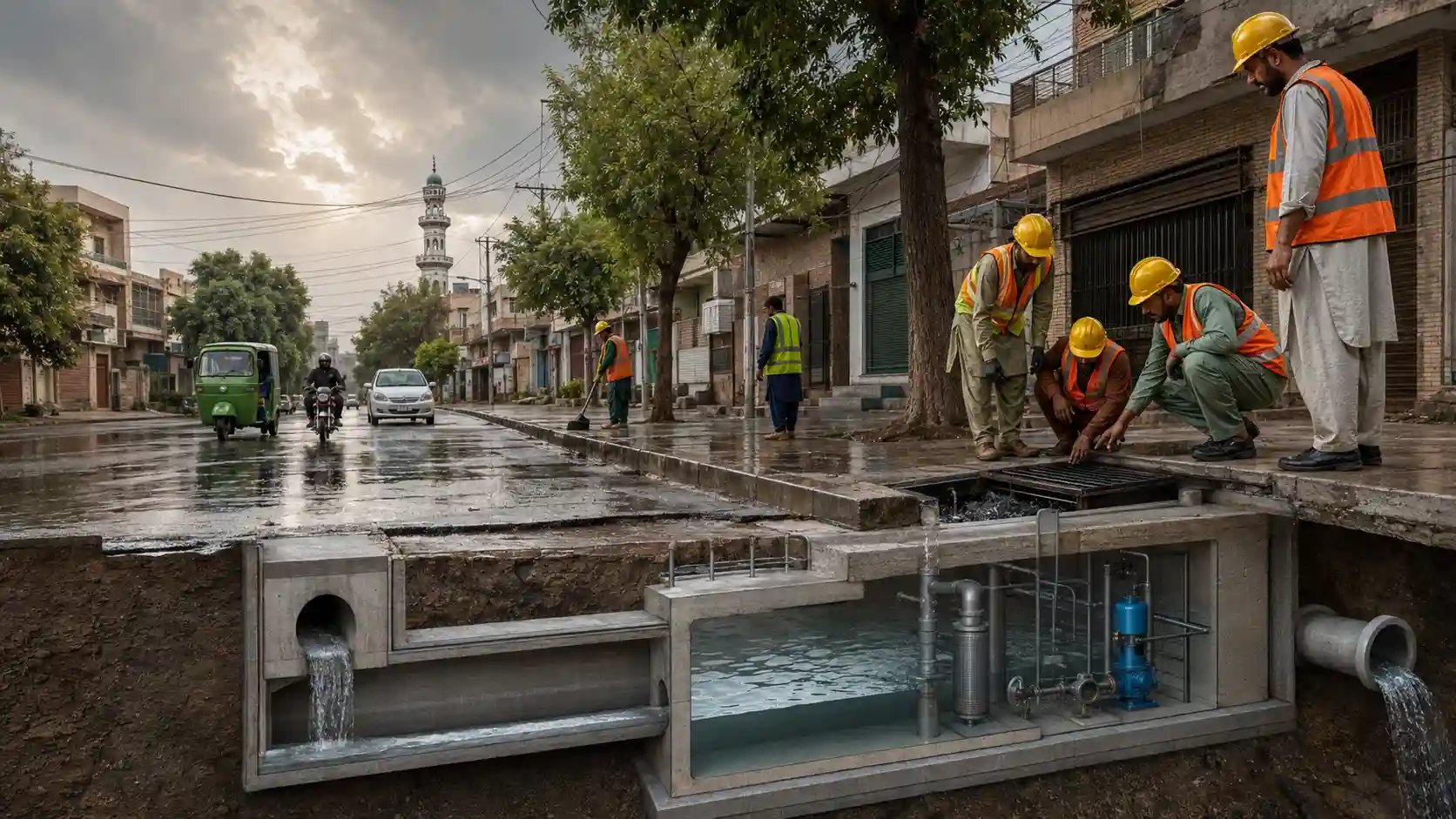
Drainage projects have significantly improved rainwater management in Punjab, according to Chief Minister Maryam Nawaz Sharif. Previously, heavy monsoon rains resulted in stagnant water that could remain for days, weeks, or even months, leading to various issues, including health hazards and infrastructural damage. However, thanks to an increased focus on efficient drainage systems, the situation has evolved dramatically. With new projects in place, rainwater can now be drained within hours, marking a notable milestone in urban planning and public safety. This article will examine how these initiatives have affected the province and its citizens, exploring the technical, social, and economic implications of improved drainage systems.
Understanding the Need for Drainage Projects
The monsoon season in Punjab has historically posed significant challenges, especially in urban areas. Myriad issues arise from stagnant rainwater, such as increased vector-borne diseases, flooding, and disruption of daily life. The presence of standing water can attract mosquitos, leading to diseases like dengue and malaria. Furthermore, urban flooding often leads to a loss of property and damages roads and infrastructure, placing a handicap on day-to-day activities.
Recognizing these challenges, the Punjab government has prioritized drainage projects. These initiatives make use of modern engineering techniques and urban planning strategies aimed at efficiently managing stormwater. However, the focus isn’t merely on removal; it involves creating sustainable drainage systems that account for future rainfall patterns and climate change.
To put this into perspective, in some locations, rainwater could linger for weeks, affecting thousands of residents. The potential for health crises rises, and the economic impact of flooding can lead to reduced productivity and extensive repairs. Consequently, various stakeholders have influenced the push for improved drainage systems, including public health officials, urban planners, and local government bodies.
Moreover, the shift towards holistic urban planning reflects a growing understanding of the intricate relationships between the built environment and natural processes. By incorporating green infrastructure, such as green roofs and rain gardens, urban planners aim to reduce the burden on traditional drainage systems, ensuring that rainwater is absorbed and filtered in environmentally friendly ways.
This approach not only addresses immediate issues but also lays groundwork for sustainable urban environments. By leveraging GIS (Geographic Information Systems) technology, planners can assess flood risk areas accurately and design projects that preemptively mitigate potential disasters.
The Engineering Behind Drainage Projects
The successful implementation of drainage projects relies heavily on advanced engineering. Several aspects come into play, including the design of drainage channels, the use of permeable materials, and efficient pump systems. Contemporary drainage systems often emphasize sustainable urban drainage (SUD) techniques, which aim to mimic natural drainage processes, effectively filtering water while minimizing runoff.
Drainage channels are engineered to handle specific water volumes, tailored to local geography. The introduction of permeable surfaces in road design allows rainwater to seep into the ground rather than flow into drainage systems, effectively decreasing surface runoff. Furthermore, the strategic placement of retention basins can capture excess water for gradual release, balancing the ecosystem’s water cycle.
Modern technology has also paved the way for real-time monitoring of rainfall and drainage systems. Data analytics and smart sensors can provide immediate feedback on the condition of drainage infrastructure, facilitating timely maintenance and preventing future issues.
In particular, the use of simulation models plays a crucial role in engineering drainage solutions. By creating virtual models of urban areas, engineers can predict the impact of different rainfall events and identify areas requiring more robust infrastructure. This preemptive analysis ensures that resources are allocated effectively, enhancing the resilience of drainage systems against severe weather conditions.
Additionally, there is a growing trend towards integrating renewable energy sources into drainage infrastructure. Solar-powered pumping stations not only contribute to environmental sustainability but also ensure that drainage systems remain operational during power outages, a common occurrence during storm events.
Economic Implications of Improved Drainage
The economic ramifications of effective drainage projects are substantial. By mitigating the effects of flooding and stagnant water, these projects can lead to significant cost savings for both local governments and individuals. The restoration of public amenities removes barriers to mobility, aids businesses, and enhances property values. A well-drained urban area can attract investment, as seen in various cities worldwide where urban planning has taken drainage into account.
Moreover, reduced health risks translate into lower healthcare costs related to waterborne diseases. The financial burden on the healthcare system can be alleviated, allowing government resources to be redirected toward other critical areas, such as education and infrastructure. Additionally, effective drainage systems contribute to a more robust economy by encouraging tourism and recreational activities in urban parklands, free from the threat of flooding.
Beyond monetary benefits, economic upliftment can result in enhanced job opportunities related to construction, engineering, and maintenance of these drainage systems. Local communities are often engaged in these projects, boosting their involvement and stake in their urban landscape.
The indirect economic benefits also merit consideration. By fostering a more resilient environment, drainage projects can lead to improved investor confidence, stimulating further economic activity. Cities are more likely to attract businesses when they offer reliable infrastructure, enhancing their overall competitiveness in the global market.
There’s also evidence to suggest that effective drainage projects can lead to reduced insurance premiums for property owners. As flood risks diminish, insurers may offer more favorable terms to residents and businesses, further lowering the financial burden on citizens.
Social Benefits of Efficient Drainage Systems
The social implications of drainage projects extend beyond infrastructure. Improved drainage significantly enhances community wellness, safety, and interaction. Families experience less disruption during the monsoon season, allowing children to attend school and adults to commute to work with minimal interruptions. Moreover, neighborhoods feel more secure when rainwater is effectively managed, which fosters communal responsibility and interaction among residents.
Public spaces, such as parks and communal areas, benefit greatly from improved drainage as well. These areas can be better enjoyed by communities, offering safe environments for recreation and gatherings. This enhancement of communal spaces positively correlates with residents’ mental health and well-being, promoting overall quality of life.
Additionally, the presence of clean, usable public spaces often initiates community-driven initiatives, such as clean-up drives and gardening projects. People are more inclined to take pride in their surroundings, resulting in a virtuous cycle of improvement and engagement.
Improved drainage also contributes to social equity by ensuring that flood mitigation measures reach marginalized and underserved communities. This inclusive approach helps bridge socio-economic gaps, as everyone benefits from the enhanced infrastructure, leading to a more cohesive and connected society.
Moreover, educational programs related to drainage and environment awareness foster a more informed citizenry. Empowering residents with knowledge about climate resilience encourages proactive community participation in environmental stewardship, shaping a society that values sustainable practices.
Also Read This Article : Mecca Pact Redraws Muslim World’s Strategic Map Historical Significance
The Role of Technology in Drainage Innovations
It’s crucial to explore the burgeoning role of technology in enhancing drainage projects. Innovative software solutions have emerged that allow planners and engineers to simulate various rainfall scenarios and the subsequent impact on drainage systems. Such predictive analytics can lead to better decision-making and more effective designs that withstand changing weather patterns.
Smart drains equipped with sensors can monitor flow and detect blockages in real-time, triggering alerts for maintenance crews before the situation escalates. This proactive approach to maintenance reduces delays and enhances the longevity of drainage systems.
Drone technology is also playing a pivotal role in monitoring the effectiveness of drainage systems after storms. Equipped with high-resolution cameras, drones can provide aerial views to quickly assess flood-prone areas, identifying necessary repairs and improvements.
Another technological advancement is the use of Blockchain for tracking maintenance and operations. By ensuring transparency and accountability in managing drainage infrastructure, this technology can help build trust between citizens and governing bodies.
Artificial Intelligence (AI) algorithms are being employed to enhance predictive capabilities, allowing for more adaptable and responsive drainage systems. By learning from past data, these systems can autonomously adjust operations to accommodate unforeseen weather changes, ensuring continuous efficiency.
Environmental Considerations in Drainage Projects
Incorporating environmentally friendly practices is increasingly important in drainage projects. Urban areas often contribute to pollution through runoff, where various chemicals and waste materials are washed into waterways. Sustainable drainage practices, such as the use of bio-retention areas and constructed wetlands, can help filter contaminants before they find their way into the natural environment.
Furthermore, by promoting biodiversity in urban drainage systems, architects and planners can create healthier ecosystems. Dedicating space for native plants and wildlife not only enhances the aesthetic appeal of urban areas but also contributes to cooling effects and better air quality.
Moreover, as climate change continues to impact weather conditions globally, creating resilient drainage systems can alleviate future environmental impacts. Understanding rainwater management within the context of an evolving climate is vital for long-term sustainable development, ensuring communities remain livable and safe.
The integration of green roofs and vertical gardens is also part of a broader strategy to reduce urban heat islands, which can exacerbate flooding. These measures not only manage water but also improve urban temperatures, leading to more comfortable living conditions.
Community-driven environmental education campaigns can further promote the adoption of eco-friendly practices. By fostering a shared responsibility for the environment, citizens are more likely to support initiatives that focus on sustainable drainage solutions.
Public and Government Involvement
The successful implementation of drainage projects requires active engagement from both the public and government entities. Local governments play an essential role in planning, funding, and executing drainage initiatives while ensuring compliance with environmental regulations to protect public welfare.
Public participation is equally important, as residents can provide valuable insights into local drainage issues that may not be apparent to engineers or planners. Community meetings and outreach programs serve as platforms for citizens to voice their concerns, ensuring that local knowledge informs effective drainage solutions.
Moreover, educational campaigns can raise awareness about maintaining drainage systems, where communities are empowered to take part in their upkeep. Informative workshops can help residents understand the importance of effective drainage management and inspire them to advocate for ongoing improvements.
Successful collaborations between public and private sectors are integral for leveraging resources and expertise. Public-private partnerships can facilitate the development of innovative technologies and streamlined processes that enhance the efficiency and reach of drainage projects.
Furthermore, government incentives for sustainable practices can motivate businesses and communities to adopt environmentally friendly methods. By aligning policy with practical benefits, authorities can ensure long-term commitment to improving drainage systems.
Challenges Faced in Implementing Drainage Projects
While the advancement of drainage projects is commendable, various challenges can impede their success. Funding constraints often hinder the initiation or completion of projects, particularly in economically disadvantaged areas. Budgeting issues arise, requiring careful planning and prioritization of essential drainage works.
Additionally, bureaucratic hurdles can delay the progression of projects. Navigating the political landscape requires strategic communication among stakeholders, which is essential to align interests and expedite the planning process. Lastly, technical challenges emerge in the form of integrating new technologies with existing infrastructure. Legacy systems may require updating or replacing, often leading to increased costs and complexity in implementation.
Community resistance can also pose challenges, especially when projects require relocation or impact local livelihoods. Effective communication and transparent planning can mitigate concerns, ensuring support for long-term benefits.
Moreover, unpredictable changes in climate patterns demand a flexible approach to drainage management. Continuous adaptation and modification of designs are necessary, but they add additional layers of complexity to planning and execution.
The Future of Drainage Management in Punjab
Looking ahead, the future of drainage management in Punjab appears promising as government initiatives continue to evolve. The focus on sustainable development alongside innovative drainage solutions will be pivotal in addressing climate change challenges. Continuous investment in research and adaptation methods will be crucial for minimizing flood risks and maintaining urban resilience.
Moreover, increased collaboration between government authorities, private sectors, and community organizations can create a more integrated approach to urban planning and drainage management, benefiting all stakeholders involved. Developing partnerships can lead to innovations and resource-sharing that facilitates the successful implementation of future projects.
In conclusion, the progress made through drainage projects is just the beginning of a necessary evolution in managing rainwater effectively. Punjab can serve as a model for other regions facing similar challenges if it continues to prioritize infrastructure that supports public health, safety, economic stability, and environmental sustainability.
Integration of cutting-edge technologies will be fundamental in the proactive management of drainage systems. The adoption of AI and IoT (Internet of Things) solutions can transform ordinary infrastructure into smart systems capable of self-regulation and optimization, ensuring resilience against future challenges.
Continuous public engagement and education will further nourish a culture that values environmental integrity and preparedness. Empowering citizens to play an active role in maintaining drainage systems will foster a sustainable relationship with their environment.
Frequently Asked Questions
What are drainage projects?
Drainage projects are initiatives aimed at improving the management of rainwater and stormwater, often involving the construction and maintenance of drainage systems, channels, and related infrastructure to ensure efficient water flow.
Why are drainage projects important?
Drainage projects are crucial for mitigating flooding, reducing stagnant water, and managing rainwater effectively, preventing health issues and property damage that can arise from poor drainage.
How have drainage projects improved Punjab’s monsoon situation?
Drainage projects in Punjab have transformed the monsoon experience by enabling rainwater to be drained within hours, previously taking days or weeks, significantly improving public safety and reducing health risks from stagnant water.
What technologies are used in modern drainage projects?
Modern drainage projects utilize various technologies, such as smart sensors, drone surveillance, predictive analytics, and eco-friendly materials to improve design and maintenance processes.
What future developments are expected in Punjab’s drainage management?
Future developments in Punjab’s drainage management will likely focus on sustainable practices, community engagement, advanced technologies, and collaborations between government entities and the private sector to create resilient urban environments.



 Muhammad Abdullah |
August 10, 2026
Muhammad Abdullah |
August 10, 2026