






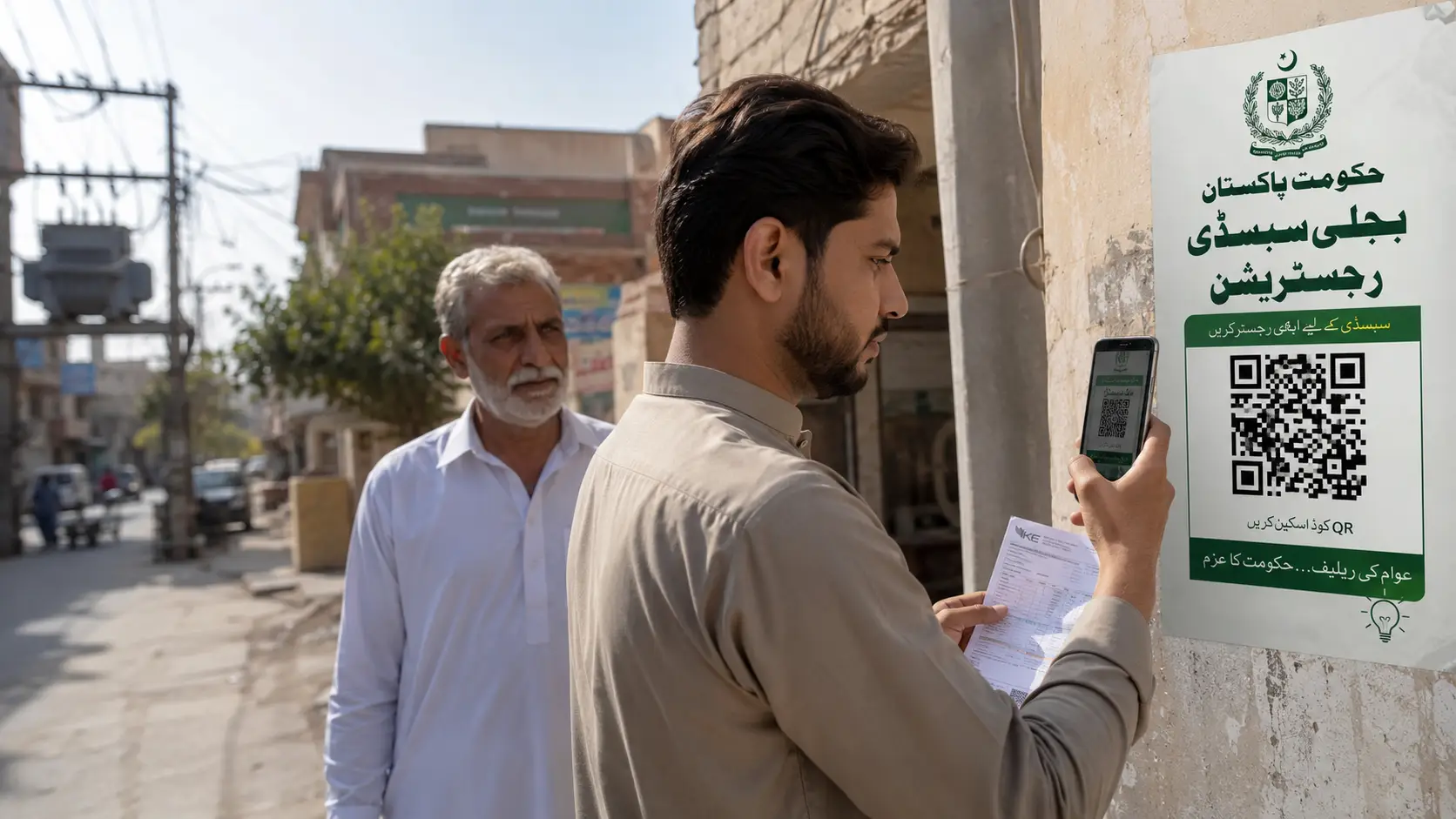

The recent enforcement of QR registration for electricity subsidy renewal has stirred significant discussions among consumers and policymakers alike. Electricity subsidy registration is the focal requirement that now stands between consumers and their entitlement to a 200-unit electricity subsidy. Without proper adherence to the QR registration process, many consumers risk losing this vital financial benefit, which significantly aids in reducing monthly electricity expenses. This development signals a pivotal moment for energy policies and consumer responsibilities, reflecting a broader trend of digital integration in public service management. Understanding the necessity and procedures of this registration, as well as the potential consequences of non-compliance, is essential for all stakeholders.
The Evolution of Electricity Subsidies
Electricity subsidies have been a cornerstone of public policy aimed at alleviating financial burdens on consumers, especially those in low-income groups. Historically, these subsidies were introduced to ensure equitable access to essential energy services, making electrical power affordable for all sections of society. Over the years, subsidies have gone through various reforms, adjusting amounts and eligibility criteria to better meet socio-economic objectives.
The introduction of the 200-unit subsidy scheme marked a significant step towards targeted financial assistance. It has allowed millions of households to manage their energy bills effectively, reducing economic strain. However, with increasing demands on energy infrastructure and the need for sustainable development, governments have started to integrate technology to streamline access and reduce misuse.
The shift towards QR registration is emblematic of this evolution. It demonstrates a movement towards digital documentation, emphasizing transparency, accountability, and efficiency. As such, those availing subsidies must adapt to new requirements to continue receiving benefits.
Beyond technology, the rationale behind subsidies has long been intertwined with socio-economic frameworks aimed at poverty alleviation and equal opportunities. As economies grow, energy policies are reassessed to ensure alignment with changing economic conditions and technological developments. This dynamic interconnection between economic policies and technological advancement is crucial in understanding the evolution of subsidies.
One of the major factors driving these changes is also the rising awareness of climate change and sustainable energy use. Governments are keenly aware of the environmental costs of fossil fuels and have initiated several rounds of reforms to incorporate renewable energy subsidies, incentivizing consumers to embrace greener practices.
Understanding QR Registration
QR (Quick Response) registration is a relatively new approach adopted to enhance the accuracy and efficiency of subsidy distribution. The QR code system ensures that each registration is unique, traceable, and verifiable, catering to a transparent subsidy allocation process. This method requires consumers to go through a set of predefined steps to validate their identities and eligibility.
The process typically involves visiting the official energy department portal, where consumers provide personal and service information to generate a QR code. This code acts as a digital signature, confirming the consumer’s participation in the subsidy scheme. It is crucial for consumers to keep this QR code safe, as it is essential for ongoing verification.
The push for QR registration aligns with global trends favoring digital transformation. It reflects a paradigm shift from conventional paperwork to a more robust, technology-driven framework, which can significantly reduce administrative inefficiencies and client-side errors.
Beyond the surface, QR registration systems are viewed as symbols of modernization and efficiency. Many sectors besides energy, such as healthcare and banking, are employing similar systems to facilitate smoother interactions and transactions. This underlines a significant trend where technology is being harnessed for greater accuracy and ease.
Furthermore, as data privacy becomes more paramount in digital transactions, QR codes present a secure methodology for information handling. Encryption methods ensure that consumer information, though shared across departments for verification, remains protected from unauthorized access, establishing a secure chain of data custody.
Challenges Facing Consumers
Despite its benefits, QR registration presents several challenges, particularly for technology-averse consumers or those with limited digital literacy. Navigating online portals, understanding digital procedures, and safeguarding digital credentials may seem daunting to many, especially the elderly or those in rural areas with limited internet access.
Furthermore, the initial rollout of such systems often encounters technical glitches. As a result, consumers can experience delays, creating frustration and mistrust towards the system. To avoid losing their entitlement, they must overcome these hurdles through guidance and assistance.
Governments and energy providers must recognize these challenges and offer support through accessible tutorials, help desks, and community workshops. Addressing consumer concerns proactively ensures smoother transitions towards digital compliance.
The digital divide remains an ongoing challenge in many areas. While urban localities may seamlessly transition to QR systems due to better infrastructure and resources, rural regions could lag due to limited connectivity, raising issues of systemic inequality. This discrepancy necessitates targeted efforts to ensure equal opportunities for registration across different demographics.
Additionally, another issue that might arise is linguistic barriers. In multilingual societies, registration processes must accommodate diverse languages to guarantee everyone’s understanding and participation. Such barriers, when not addressed, can lead to disenfranchisement and reduced subsidy uptake.
Implications for Non-Compliance
The consequences of failing to complete QR registration could be significant for consumers relying on the subsidy. Without it, they may face increased utility bills, putting additional strain on household finances. This risk underscores the importance of public awareness campaigns to ensure comprehensive understanding and participation.
Beyond financial implications, non-compliance could also have broader socio-economic effects. By excluding eligible populations from subsidies, there might be an unexpected rise in energy inequity, particularly disadvantaging low-income families who shoulder a higher relative cost burden.
Thus, non-compliance not only affects individual consumers but can also disrupt broader policy objectives aimed at inclusive access to energy, highlighting the vital role of complete consumer participation in policy success.
On a broader level, widespread non-compliance could hinder governmental efforts to streamline energy distribution and maximize network efficiency. Policies that rely on high enrollment rates might face challenges, particularly when essential stakeholders are inadvertently left out of the process, necessitating revisions to achieve desired policy outcomes.
The potential increase in administrative workloads due to handling exceptions and appeals could also strain systems meant to promote efficiency, ironically leading to more red tape and complexity instead of resolution and simplification.
Also Read This Article: Senate Panel Questions Daily Petrol Pricing Mechanism
Reactions from Stakeholders
The introduction of mandatory QR registration has elicited varied reactions from different stakeholders involved in energy management and public policy. Consumer advocacy groups have been vocal about the need for smooth transitions, voicing concerns over potentially alienating those who need the subsidy most.
Many consumer groups argue for extended grace periods or alternative systems for those unable to access QR registration. To this, policymakers have responded by promising improvements and providing channels for feedback and suggestions.
The energy sector itself sees potential in QR systems for building efficiency and accountability, allowing better resource allocation and monitoring. Positive stakeholder engagement is crucial for successful adoption and reflects the dynamic between policy innovation and public receptiveness.
Moreover, the technological community views these developments as opportunities for industries to collaborate with public sectors, encouraging innovation in creating accessible and scalable digital solutions. Such collaborations have the potential to not only resolve current challenges but also pave the way for e-governance in various public domains.
Environmental groups, on the other hand, see the successful integration of QR frameworks as a path forward in addressing larger systemic challenges, linking innovative supply chain monitoring to issues of resource sustainability and climate change mitigation. Their support, although conditional to the digital solution’s environmental safeguards, remains an influential aspect in driving sustainable policy formulations.
Comparative Analysis: Global Trends in Energy Subsidies
Analyzing how other countries handle electricity subsidies and digital transitions can provide useful insights and best practices that could be adapted locally. Several developed countries have embraced technology-driven subsidy solutions with varying success rates, reflecting their unique socio-political contexts.
For instance, in nations where digital literacy is high, subsidy distribution through apps and online registries has improved efficiency and consumer satisfaction. Conversely, in countries with significant digital divides, more nuanced, multi-platform approaches are necessary to accommodate diverse demographics.
The comparative evaluation helps underline the importance of contextual awareness in policy design, recognizing diverse consumer needs, and ensuring implementations aligned with technological readiness.
In nations like Estonia and Singapore, where digital governance has been successfully implemented, technology-forward policies have driven significant positive outcomes. Their models of digitizing subsidies can serve as blueprints for other countries looking to balance innovation with inclusivity and accessibility.
However, these global lessons also highlight the importance of cultural adaptability. Efforts in deploying foreign digital solutions must be modified to fit domestic cultural contexts, respecting local norms, consumer behaviors, and societal expectations for successful adoption.
The Role of Technology in Policymaking
The QR registration initiative highlights the increasing role of technology in shaping and executing policy frameworks. By leveraging digital tools, governments can enhance procedural transparency, accuracy, and speed, reflecting a broader trend towards e-governance.
Such technology-driven policies are not only relevant to energy subsidies but extend across various public service domains. From healthcare distribution to agricultural support, QR codes represent a scalable solution to longstanding bureaucratic challenges.
This rise in digital policy solutions necessitates developing frameworks that are robust, accessible, and adaptable, balancing innovation with the immediate needs of diverse populations.
Moreover, technology’s role in policymaking extends beyond process efficiency. The infusion of data analytics, AI solutions, and machine learning models allows for more predictive policymaking, where emerging trends are identified, and issues are preemptively tackled, avoiding potential crises and enhancing public satisfaction.
The challenge remains to integrate these technologies within political structures cautiously, ensuring they complement rather than complicate service delivery. Each step should be assessed for ethical implications, ensuring digital equity and preventing the creation of barriers to access for marginalized communities.
Strategies for Effective Implementation
To ensure the success of the QR registration system, a multi-faceted approach is required, focusing on awareness, accessibility, and assistance. Governments should prioritize clear communication strategies that inform consumers about registration needs and the process in easily understandable terms.
Furthermore, investing in infrastructure to support seamless online registration and ongoing technical assistance remains paramount. This includes launching mobile-friendly platforms, setting up local registration kiosks, and offering multilingual support to cater to diverse populations.
Lastly, fostering partnerships with NGOs and community organizations can establish effective grassroots networks, aiding in outreach and education campaigns to assist those wary of digital transitions.
Training programs for government officials and customer service personnel can improve interaction quality, equipping them with the skills required to manage consumer inquiries efficiently and empathetically. An ongoing effort is necessary to upgrade these skills in line with technological advancements.
In addition, encouraging feedback mechanisms through periodic surveys and satisfaction metrics will allow policymakers to adjust strategies dynamically, fostering a collaborative ecosystem that actively incorporates consumer voices for continued service refinement and enhancement.
The Future of Energy Subsidies
Looking ahead, energy subsidies will likely continue to evolve alongside technological advancements and shifting socio-economic landscapes. As digital systems mature, opportunities arise to tailor subsidy schemes more efficiently, leveraging data analytics to refine outreach and effectiveness.
However, challenges such as ensuring privacy, data security, and combatting misinformation must be managed to maintain consumer trust. Transparency and accountability will be the cornerstone of future policy success, instilling confidence in government initiatives and facilitating smooth implementations.
In this regard, monitoring and evaluation frameworks are necessary to assess ongoing initiatives objectively, ensuring they meet goals while adapting to emerging challenges. The future will demand a robust integration between subsidy policies and environmental concerns, as climate change remains a pressing global issue. Integrating smart grids, utilizing AI for energy predictions, and developing ‘green subsidies’ could enhance energy efficiency while promoting sustainable practices.
Governments also stand to benefit from regional and international collaborations in energy technology and subsidy models, sharing insights into innovation success rates, optimizing resource allocations, and collectively moving towards more sustainable energy futures.
Conclusion
The mandate of QR registration for electricity subsidies symbolizes a transformative shift towards digital governance in public utilities. Emphasizing the efficient distribution of benefits, it promises to optimize transparency and curb overutilization amid growing energy demands and economic pressure.
The road ahead requires collaborative efforts from all stakeholders from technology innovators to policymakers and consumers. By maintaining communication channels and adapting policies based on active public feedback, stakeholders can ensure that the initiatives lead to sustainable benefits for all.
Ultimately, successful integration of technology in policy measures will depend on continuous learning, informed decision-making, and a commitment to inclusive growth that reflects the diverse needs of society.
Frequently Asked Questions
What is the purpose of the QR registration for electricity subsidies?
The purpose of QR registration is to streamline the subsidy allocation process, ensuring transparency and accountability in distribution by leveraging digital technology.
What happens if I fail to register for the QR system?
If you fail to register, you risk losing your entitlement to the 200-unit electricity subsidy, resulting in higher electricity bills.
How can I complete the QR registration for electricity subsidies?
Consumers can complete registration by visiting the official energy portal, entering necessary details, and generating a unique QR code as digital proof of subsidy eligibility.
Are there any support mechanisms available for registration?
Yes, many governments and energy providers offer tutorials, technical support, and community workshops to aid consumers in completing their QR registration.
How does QR registration fit into broader energy policy trends?
QR registration is part of a global trend towards integrating digital solutions in policy execution, enhancing efficiency and targeting in public service delivery.