







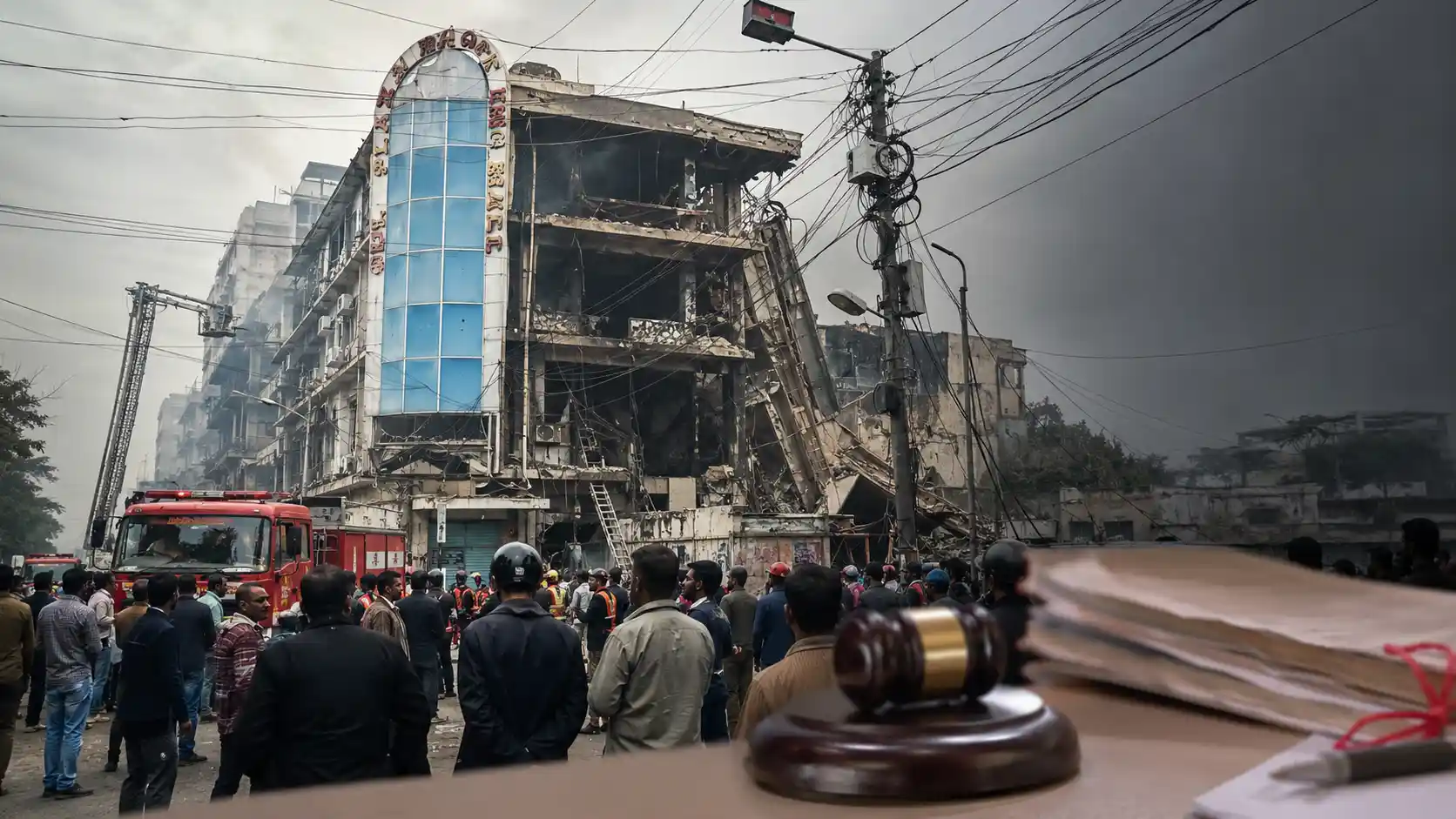

The procedural intricacies of the Gul Plaza case take center stage as the Investigation Officer (IO) fails to submit the requisite challan during the latest hearing. This development has raised significant concerns regarding the efficiency of the justice system and the potential implications for all parties involved. Since the initiation of this case, the stakes have been high, with various stakeholders eagerly anticipating a swift resolution. However, this recent setback indicates not just a delay in proceedings but also highlights the possible challenges faced by the authorities in managing such cases effectively. As the case is adjourned to September 5, the eyes of the public and legal experts gravitate towards what this may mean for the judicial process as a whole.
Understanding the Gul Plaza Case
The Gul Plaza case has garnered widespread public attention due to its intricate details and significant implications for urban development and safety standards in the city. Initially, this case arose from an incident that occurred at the Gul Plaza, which has been a hub for commercial activity. The aftermath of the incident drew serious scrutiny over the ways in which building regulations and public safety measures were handled. Stakeholders ranging from local government officials to concerned citizens are keenly watching the case, as it encapsulates broader issues related to accountability, transparency, and urban governance.
The origins of the Gul Plaza case trace back to lapses in building codes, which some argue were exacerbated by political and bureaucratic neglect. This negligence is a symptom of a systemic issue that affects infrastructure development across many urban regions. In analyzing such incidents, it becomes clear that the challenges are not merely a matter of legal accountability but also reflect on the socio-political fabric of the area. Defining what transpired at the site involves delving into layers of negligence that may have contributed to the turmoil.
As discussions surrounding this case unfold, the implications extend beyond the immediate legal ramifications. The Gul Plaza case serves as a catalyst for wider public discourse on urban planning, safety regulations, and community rights. For many residents, this case is emblematic of their struggle for safety and accountability from both government and private entities responsible for urban development. Thus, the handling of this case will likely resonate in the public consciousness long after the final verdict.
Additionally, the case represents a broader pattern of neglect in urban areas, where rapid development often outpaces the regulatory frameworks designed to ensure safety and sustainability. The Gul Plaza incident raises substantial questions about the effectiveness of current urban planning policies and the enforcement of safety standards. It highlights the intersection of social justice, environmental concerns, and economic interests, urging a reassessment of how cities are built and maintained. Public and private partnerships must be scrutinized to ensure mutual accountability and adherence to ethical standards, fostering an environment where growth does not come at the expense of public safety.
Current Legal Proceedings and Delays
The timeline of the Gul Plaza case has experienced multiple delays, but the recent failure of the Investigation Officer to submit the challan is perhaps the most significant. Typically, the submission of a challan is a procedural necessity that initiates the formal prosecution process. By not fulfilling this requirement, the IO has thrown the proceedings into a state of uncertainty. This not only frustrates the victims and their families but also raises questions about the efficacy of the law enforcement agencies involved in the investigation.
In legal terms, a challan serves to consolidate the evidence against the accused and present the prosecution’s case. In the absence of this document, defense attorneys may exploit the loopholes to stall or undermine the case. This dynamic could potentially prolong the justice process, allowing key individuals to evade accountability. Moreover, the adjournment of the hearing to September 5 underscores broader issues surrounding legal infrastructure and resource allocation for investigations.
The immediate repercussions of such delays can lead to a lack of trust in the judiciary. Public confidence is heavily reliant on timely and transparent processes, especially in high-profile cases like that of the Gul Plaza incident. When procedural missteps occur, they can contribute to a narrative of ineptitude and corruption that further alienates citizens from their governmental safeguards. Assessing these implications warrants a critical examination of both the legal processes and the administrative oversight governing them.
Moreover, these delays represent systemic challenges in the legal framework that must be addressed. The Gul Plaza case sheds light on the bottlenecks within the judiciary, such as understaffed courts and overwhelmed prosecutors. Without substantial reforms, these issues are likely to persist, affecting the delivery of justice across the board. Investing in technology and legal training, revising outdated laws, and fostering collaboration among different judicial entities could enhance the efficiency and reliability of legal proceedings. This case emphasizes the urgent need for a synchronized approach that bridges gaps between legislative intent and practical execution.
The Role of the Investigation Officer
The Investigation Officer holds a pivotal role in any legal case, primarily responsible for collecting evidence, interrogating witnesses, and preparing the charges to be filed against the accused. In the context of the Gul Plaza case, the failure of the IO to submit the challan has sparked a wave of criticism and concern. Evaluating the IO’s performance requires an understanding of both their responsibilities and the constraints they may face.
One primary concern involves the investigative resources allocated to the case. Often, investigation teams are stretched thin, dealing with multiple cases simultaneously while coping with limited staffing and logistical challenges. When resources are insufficient, the quality of investigations can suffer, potentially skewing the outcomes of cases like the Gul Plaza incident. This amplifies the necessity of investment in law enforcement and judicial training to ensure high standards are met in every investigation.
Additionally, the ability of the IO to function effectively may be hampered by political influences or external pressures that undermine their decision-making process. This illustrates how the Gul Plaza case is not merely an isolated incident but part of a larger systemic issue related to governance and authority in urban settings. The scrutiny placed upon the IO will surely escalate as both public expectations and legal standards demand accountability and transparency.
Furthermore, it is essential to consider the professional development needs of Investigation Officers, who are often on the front lines of complex legal battles. Establishing mentorship programs and providing continual education in modern investigative techniques could bolster the capacity of IOs to handle intricate cases. This is particularly pertinent in rapidly evolving urban environments where new types of challenges emerge, necessitating a well-prepared and responsive approach.
Public Reaction and Community Impact
Public reaction to procedural delays in the Gul Plaza case has been diverse but overwhelmingly characterized by frustration. Many citizens find themselves in a precarious situation where their trust in judicial systems and urban governance has waned. Social media platforms have become venues for expressing outrage, amplifying calls for accountability and quicker action. This societal pressure plays a vital role in shaping public discourse surrounding important issues, serving as a barometer for collective sentiment.
Moreover, the impacts of this case extend beyond mere legal implications; they touch on community safety, business interests, and the legitimacy of local governance. The commercial environment around the Gul Plaza has been significantly affected as businesses report diminished foot traffic and growing uncertainty among consumers. As stakeholders grapple with these realities, it becomes apparent that the ramifications of the case are far-reaching, influencing economic conditions in the locality.
Furthermore, the community’s trust in local law enforcement and governance is at stake. When the public witnesses ineffective handling of crucial cases, it can lead to feelings of disenfranchisement. Citizens may start to question whether their safety is being prioritized over bureaucratic inefficiencies. This situation inevitably compels the community to advocate for reform in legal processes, demanding accountability not just for the Gul Plaza case but across the board.
The role of community engagement should not be underestimated. Community leaders have an opportunity to guide constructive dialogue, encouraging solutions that meet the needs of diverse stakeholders. Community forums, outreach programs, and collaborative planning with authorities can bridge gaps in understanding while galvanizing support for meaningful change. By fostering active citizenship, communities are empowered to influence policy-making initiatives, reinforcing a culture of accountability and inclusivity.
Also Read This Article : Norway Praises Pakistan’s Important and Constructive Role in Iran-US Conflict
Media Coverage and its Influence
The media plays a consequential role in shaping public perception surrounding the Gul Plaza case. Coverage of the events surrounding the case has been extensive, providing detailed reports on the developments, challenges, and public reactions. Such coverage often helps to keep the issue alive in the public discourse, urging authorities to act swiftly and transparently. However, it also runs the risk of sensationalism, painting a skewed picture of the case that can distort public understanding.
The nature of media headlines often captures attention more for their shock value rather than their informational content. Cases like the Gul Plaza incident present a fine line for journalists, where the need for sensational stories must be balanced against responsible reporting. This is particularly critical in legal cases where nuances can easily be lost in headline-driven narratives. By focusing solely on the delays and controversies, meaningful discussions surrounding accountability and governance may be overshadowed.
Nevertheless, it is undeniable that media coverage has a direct influence on how swiftly legal processes move forward. Press scrutiny can serve as a mechanism for oversight, compelling authorities to act in a manner that is accountable to the public. Thus, an informed and responsible media presence is essential for drawing attention to systemic issues while promoting a fair understanding of cases like the Gul Plaza incident.
Moreover, the media serves as a conduit for public education, offering insights into legal proceedings and the intricacies of the judicial system. Journalistic integrity and depth in reporting can provide readers with comprehensive perspectives, encouraging informed public discourse. A commitment to accuracy and context not only enhances public understanding but also supports efforts to hold authorities accountable, fostering transparency and justice in complex cases.
Lessons Learned from the Gul Plaza Case
Every legal case, especially one as complex as the Gul Plaza incident, provides valuable lessons that can inform future governance, legal processes, and community engagement. The delays and procedural challenges already evident in this case point to the need for systematic reform in how urban safety and accountability are managed. Understanding these lessons can pave the way for creating a more robust framework that prioritizes the safety and well-being of citizens.
One primary lesson centers on the importance of timely investigations. In any legal scenario, quick action can mean the difference between accountability and evasion. This underscores the need for streamlined processes that can adapt to the complexities of modern urban environments. Implementing dedicated oversight teams that can work in tandem with ongoing investigations may prove beneficial in expediting the process and minimizing delays.
Another crucial lesson revolves around community engagement. Building trust with the public enhances transparency and encourages citizen participation in governance. The case has sparked public discussion, but more can be done to create avenues for residents to voice their concerns about safety standards and municipal practices. By ensuring that civic voices are heard, authorities can foster an environment where accountability is not just an afterthought but a fundamental part of societal governance.
Additionally, learning from the Gul Plaza case means acknowledging the systemic barriers to effective legal processes. This includes recognizing the need for collaborative efforts between various governmental bodies, NGOs, and the private sector to create comprehensive solutions that address root causes rather than symptoms. By embedding lessons from this case into policy reforms and strategic urban planning, the potential to build safer, more resilient communities is significantly enhanced.
Implications for Future Cases
The unfolding of the Gul Plaza case may well set precedents for handling similar incidents in the future. As the spotlight remains on ongoing procedural challenges, the legal frameworks and community responses will likely be scrutinized closely. The outcomes of the Gul Plaza case may inspire an examination of the policies governing building safety, urban planning, and accountability.
Additionally, this case can catalyze discussions surrounding necessary reforms within legal and judicial systems. The challenges faced not only highlight the inadequacies of current processes but also serve as a clarion call for comprehensive reforms. Proposals for dedicated resources, increased staffing, and enhanced training for investigation officers may gain traction in light of public outrage and demand for change.
Finally, the path taken in the Gul Plaza case can have implications for accountability mechanisms at both local and national levels. The interactions between government, regulatory bodies, and citizens will be at the forefront, and how these dynamics play out in the coming weeks and months may set the tone for future governance. Examining the effectiveness of these mechanisms will be critical for ensuring justice and safety for communities moving forward.
Furthermore, the ramifications of the Gul Plaza case accentuate the interconnected nature of urban governance, public accountability, and societal trust. Future cases can benefit from robust mechanisms of enforcement, transparency in decision-making, and collaborative approaches that integrate diverse viewpoints. By learning from both successes and shortcomings, authorities can craft policies and practices that uphold the principles of justice, equality, and sustainable development.
Conclusion: A Call for Accountability
The Gul Plaza case serves as a vivid illustration of the challenges and complexities inherent in the justice system. With the recent failure to submit the challan and the consequent adjournment of the hearing, the implications for those involved become increasingly significant. This situation demands a comprehensive evaluation of procedural efficiencies and the systemic challenges faced by investigative agencies. The setbacks within the case highlight the necessity for accountability not merely for individual actors but for the entire legal framework that governs urban development and safety.
Accountability and transparency must be central tenets of governance, particularly in cases that resonate deeply with public sentiment. The collective frustration surrounding the Gul Plaza case may present an opportunity for reform, pushing stakeholders to re-evaluate governance practices and legal protocols. As the hearing is set to resume on September 5, the public and interested parties have a crucial role to play in advocating for justice and demanding efficiency in administrative processes.
Ultimately, how the Gul Plaza case unfolds will shape public perception of not just the immediate situation but also the broader legal landscape. It is imperative that stakeholders including governmental entities, law enforcement agencies, and citizens come together to cultivate a culture of accountability and proactive engagement. Only through collective effort can we hope to make meaningful strides toward a safer and more just society.
The Significance of Governance and Policy Reform
The Gul Plaza case has ignited a critical conversation surrounding governance and policy reform. As this high-profile case continues to evolve, there is an undeniable need to scrutinize the underlying policies regulating urban development and safety. The discrepancies and delays detected in this case serve as a strong indicator that current policies may lack the resilience needed to manage the complexities of modern urbanization. Many policymakers see this as an opportunity to revisit and revise existing codes to ensure they align with contemporary realities and technological advancements.
Further examination of this case may reveal the gaps in the enforcement of regulatory frameworks. The failures of proactive governance as highlighted by the Gul Plaza case demonstrate the urgent need for policies that are not only adequate in their design but also efficient in their implementation. Collaboration between policymakers, urban planners, legal experts, and community members can foster an integrated approach, ensuring that policies reflect the multifaceted needs and aspirations of urban societies.
Ensuring Long-term Safety and Justice
Beyond immediate procedural concerns, the Gul Plaza case raises questions about long-term strategies for safety and justice within urban centers. To effectively tackle the challenges posed by such incidents, stakeholders must prioritize a forward-thinking approach that integrates safety into all levels of urban planning and development. Authorities can invest in innovative technologies, such as smart building systems and predictive analytics, to identify potential risks and prevent future incidents proactively.
Building resilient cities requires an unwavering commitment to principles of justice and equity, ensuring that all citizens, regardless of their socio-economic status, benefit from comprehensive safety measures. Engaging communities in decision-making processes enhances the legitimacy and effectiveness of safety initiatives, leading to more sustainable solutions. As the Gul Plaza case continues to unfold, it is essential to foster transparency, encourage public involvement, and implement actionable recommendations that contribute to lasting safety improvements.
Frequently Asked Questions
What is the Gul Plaza case about?
The Gul Plaza case centers around incidents related to safety standards and potential negligence associated with the building’s management. It has raised significant questions regarding urban safety regulations.
Why was the hearing adjourned?
The hearing for the Gul Plaza case was adjourned because the Investigation Officer failed to submit the necessary challan, which is critical for the progression of legal proceedings.
What are the potential implications of this case?
The implications of the Gul Plaza case extend beyond individual accountability; it may influence future legal frameworks and community safety standards, urging necessitated reforms in urban governance systems.
How can community members engage with this issue?
Community members can engage with the Gul Plaza case by voicing their concerns, attending hearings, and advocating for transparent and effective governance focused on public safety.
What can be learned from the Gul Plaza case?
The Gul Plaza case underscores the importance of timely investigations, community engagement, and the need for accountability in urban governance, showcasing vital lessons for future cases.