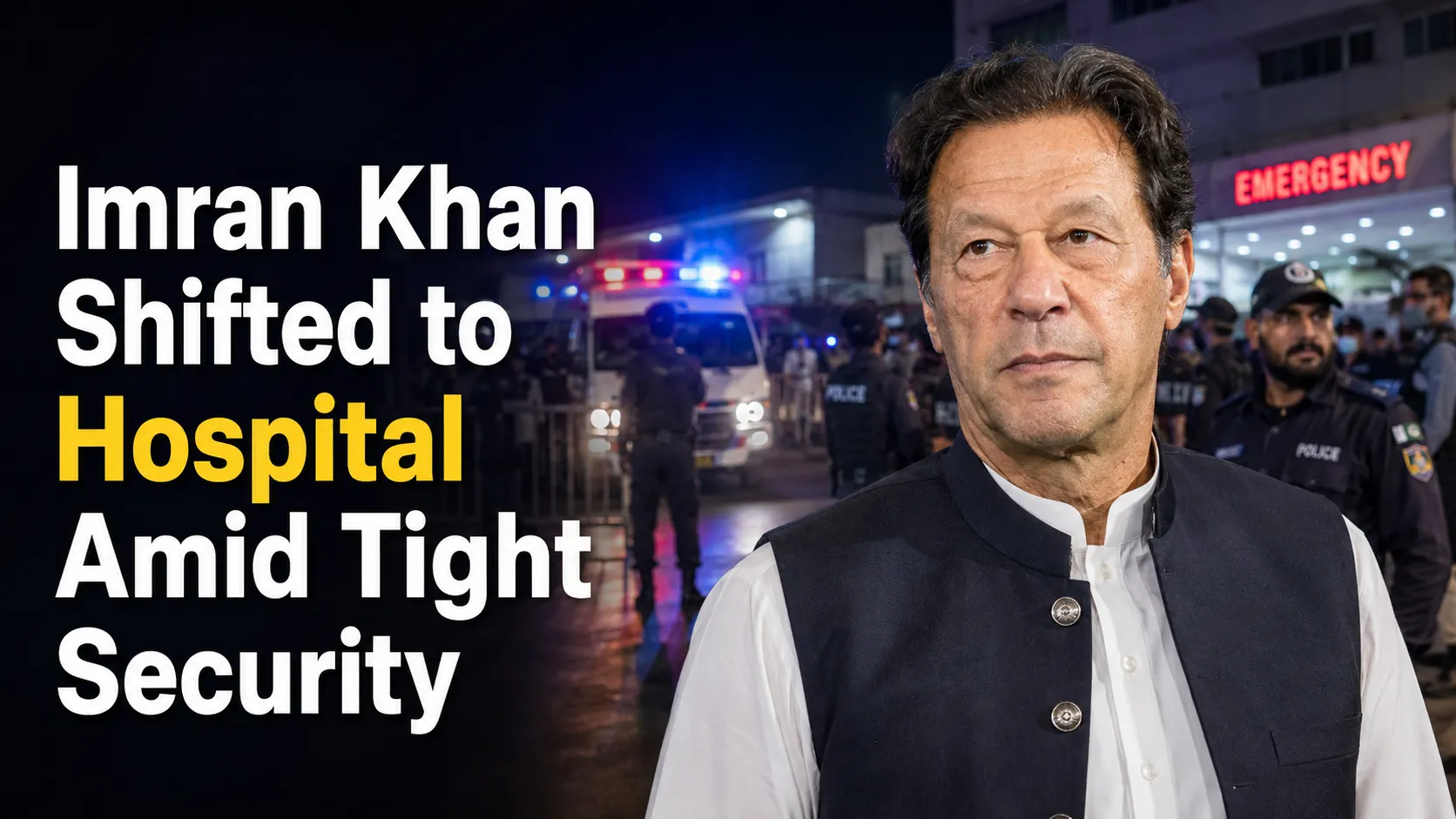
Imran Khan taken to PIMS has garnered significant attention in the media, as the former Prime Minister of Pakistan was recently transported to Pakistan Institute of Medical Sciences (PIMS) for a medical examination. This has raised numerous questions among the public and political circles alike. Following his examination, Minister Tarar reported that he returned to Adiala Jail after being declared ‘medically fit’.
This incident brings into sharp focus various aspects of Khan’s legal troubles, health status, and the implications for Pakistani politics. For many observers, this incident is more than just a medical evaluation; it represents a tumultuous intersection of health, justice, and the political landscape of Pakistan. As this situation unfolds, a detailed exploration is warranted to understand its multifaceted implications.
Understanding the Context: Imran Khan’s Legal Situation
The backdrop to Imran Khan taken to PIMS is his ongoing legal challenges, which have placed him at the center of heated political debate in Pakistan. Once lauded as a charismatic leader promising change, Khan’s political journey has been riddled with controversies since his ousting from office in April 2022. Charged with various allegations ranging from corruption to mismanagement, the former leader’s political standing has faced battery after battery of criticism. His recent medical examination is a reflection of the stress he has endured during this period. This involvement with PIMS also shines a light on Pakistan’s judicial system, questioning the balance between judicial processes and political maneuvering.
The choice of PIMS for his medical examination is particularly telling. As one of the leading hospitals in Pakistan, the decision reflects the gravity of his situation. Here, not only was he subject to a physical check, but the implications of the checkup extended to the broader societal perception of his well-being amid his legal woes. The fact that Minister Tarar confirmed his return to jail following a determination of being ‘medically fit’ accentuates the ongoing tension between health and legal obligations faced by high-profile political figures.
This tension between health and justice raises further questions about the extent to which the law treats political leaders differently compared to ordinary citizens. If Khan’s health could have impacted or delayed his legal proceedings, would he have been afforded a different approach in this case? This strategic examination and his swift return to Adiala Jail underline the complexities of navigating health issues intertwined with legal troubles.
Moreover, the legal challenges facing Khan also highlight the political dynamics at play within Pakistan. The intersection of law and politics is not unique to Pakistan but has global precedents. For example, leaders worldwide have often faced legal trials that reflect deeper conflicts within their countries. The question of judicial independence and fairness is paramount, as any perceived bias or injustice can lead to public distrust and political unrest.
The Role of Media in Shaping Public Perception
Media plays a pivotal role in shaping public perception, especially regarding political figures like Imran Khan. The reporting around his health and legal status is not only instrumental in informing the public but also in framing the narrative that surrounds a political leader. The moment Khan was announced to be taken to PIMS, various media outlets sprang into action, each interpreting the event through their own biases or political leanings. Coverage ranged from sympathetic to critical, indicating the polarization of opinions surrounding his leadership.
In the era of digital media, the dissemination of information happens in real-time. News updates about Khan’s movement and his health status filled social media feeds almost instantaneously, leading to rumors and speculation. This rapid exchange of information has transformed the public discourse by fostering a more engaged and informed citizenry while simultaneously nurturing misinformation. As Khan’s health becomes a matter of public interest and debate, it exemplifies how political leaders often become subjects of fascination, further complicating their legal battles.
Furthermore, media framing can influence how the public perceives the integrity of the legal system. By depicting Khan’s legal troubles as a significant national interest, the media may inadvertently contribute either to the validation or delegitimization of the judiciary’s actions. When portrayed under a lens of scrutiny, the judiciary has an opportunity to reinforce its independence or face accusations of bias, depending on the narrative created by the media. The recent events surrounding Khan serve as a crucial point for discussion regarding the power of media in influencing public sentiment and political outcomes.
Historically, the media has often played an influential role in major political events. The Watergate scandal in the United States, for instance, demonstrated how media reporting could lead to significant political consequences. In Pakistan, media coverage of political figures like Khan can similarly influence public perception, swaying opinions and impacting voter behavior. The power of media narratives can not only shape individual careers but also redefine political landscapes.
Analyzing the Health Implications for Political Leaders
The health issues of political leaders can have far-reaching implications that extend beyond the personal level. When Imran Khan taken to PIMS, the medical examination conducted was critical not just for his legal battles, but also for the broader narrative concerning the well-being of political leaders in fraught political environments. Political health, both physical and mental, influences decision-making capabilities, public engagement, and can ultimately affect the stability of a government.
As public figures, politicians like Khan are often expected to maintain a certain presence, both physically and mentally, which can become arduous given the pressures of leadership. A medical examination provides an opportunity to assess whether these figures are fit to perform their roles effectively. The concept of fitness does not solely hinge on physical health; mental resilience is equally crucial for leaders facing both domestic and international challenges. With the weight of governance on their shoulders, the well-being of these individuals directly impacts their capacity to lead and make informed decisions.
Moreover, health crises among political leaders can trigger a ripple effect on governance. For instance, if a leader is deemed unfit for duty due to health issues, it raises questions about succession plans and the stability of the current administration. In the context of Pakistan, where leadership changes can lead to significant shifts in policy, the health of a leader like Khan becomes pivotal for a nation closely monitoring its political future.
The health of political figures is not just a matter of personal concern but a public issue as well. Historical instances, such as Winston Churchill’s resilience during World War II despite his health challenges, underscore the vital connection between a leader’s health and their political effectiveness. In transitioning political environments like Pakistan, such considerations hold even greater significance, influencing domestic and international political dynamics.
Public Reactions and Political Implications
The public’s reaction to the news of Imran Khan taken to PIMS is indicative of the polarized views surrounding him, both as a political figure and as a citizen facing legal repercussions. Supporters expressed concern for his health, viewing the situation as a reflection of governmental oppression. Conversely, detractors highlighted this incident as yet another instance of a leader evading accountability. This dichotomy reveals not just the divide within Pakistani society but also the larger implications for democratic processes and political accountability.
This scenario represents a broader trend observed in which political leaders can be seen either as victims or villains depending on their perceived alignment with or opposition to existing power structures. Khan’s situation has reignited discussions on the fairness of the judicial system and its treatment of high-profile individuals. How the public perceives these developments can significantly impact voter sentiment and future elections, casting shadows on the ongoing narrative of accountability.
In a politically charged environment, public sentiment serves as both a barometer for government performance and a mechanism for demanding justice. Khan’s situation could either consolidate his base if he is perceived as being unfairly targeted or alienate moderate voters if they perceive him as seeking to avoid legitimate accountability. This complexity highlights the significant intersection of public perception and political action.
Public reactions can also reveal underlying societal tensions. The polarization seen in responses to Khan’s situation is reflective of broader divisions within Pakistani society. Political trials and tribulations have long been a fixture in global politics, with public opinion often serving as a weather vane for the political fortunes of leaders. The public discourse surrounding Khan can provide insights into emerging political trends and the evolving narrative of justice and democracy in Pakistan.
Also Read This Article: Pakistan Commemorates 55th Anniversary of Rashid Minhas’ Martyrdom
The Importance of Transparency in Political Judiciaries
When discussing issues surrounding influential political figures like Imran Khan, the concept of judicial transparency becomes significantly relevant. The circumstances surrounding Khan’s medical examination, especially X-rays, blood tests, and other forms of assessment conducted at PIMS, necessitate an open dialogue about the legal and ethical implications involved. In a democracy, transparency serves as a bedrock for public trust, particularly in the judicial system.
Lack of transparency can lead to widespread speculation, often driven by the media and public opinion. If the public feels that the process surrounding Khan’s legal challenges lacks clarity, it could breed mistrust in the judicial system. Transparency ensures that all involved parties have access to the same information, which helps foster a sense of fairness in legal proceedings. It serves as a critical check against bias, favoritism, and corruption.
The management of health issues in the context of political leadership raises difficult questions about how public leaders balance their health concerns with legal obligations. Ensuring that the public has insight into both the health and legal status of figures like Khan could help mitigate doubts surrounding their integrity, ultimately reinforcing faith in the judicial system. Transparent processes can also serve to educate the public about the complexities involved in such cases, enhancing civic engagement and fostering responsible citizenry.
Globally, transparency in political and judicial processes has been shown to reduce corruption and increase public trust. The Freedom of Information Act in the United States, for instance, aims to ensure governmental transparency. Within Pakistan, improving judicial transparency could serve as a means to strengthen democracy by ensuring that both leaders and citizens are held accountable to the same standards. This form of accountability is essential for addressing public concerns and enhancing the credibility of the judicial system.
Implications for Future Political Dynamics in Pakistan
The circumstances surrounding Imran Khan taken to PIMS have profound implications for the future political landscape in Pakistan. The outcomes of Khan’s legal challenges, coupled with public perceptions of his treatment, may lead to significant shifts within political alliances. If Khan is perceived as being persecuted due to his political beliefs, new coalitions may form among his supporters and other groups disenfranchised by the current administration.
Conversely, if legal proceedings against him conclude without significant support or sympathy from the public, it may weaken his political capital and diminish his ability to influence future political scenarios. His current predicament can serve as a catalyst for reassessment both within the ruling government and among the electorate, prompting questions about accountability, governance, and the balance of power.
The implications extend beyond Khan as an individual. They reveal systemic issues within Pakistan’s political landscape that require reassessment. How health, justice, and politics intertwine may demand a re-evaluation of existing frameworks, compelling stakeholders to consider reforms that may prevent similar occurrences in the future. As the dust settles around Khan’s medical situation, the political dynamics may shift, making this a critical juncture for both Khan and Pakistan’s governance.
Moreover, political dynamics in Pakistan have historically been influenced by pivotal events affecting key figures. The evolving situation with Khan could serve as a litmus test for the government’s handling of political and legal processes, potentially redefining political alliances and policy directions. This evolving scenario underscores the fragile balance of power in Pakistan and its potential implications for governance and stability.
Conclusion: The Interplay of Health, Law, and Politics
The saga of Imran Khan taken to PIMS encapsulates the intricate interplay of health, law, and politics in modern Pakistan. While his medical examination may seem like a straightforward incident, it brings to the fore critical discussions about accountability, public perception, and the role of media in shaping narratives. The complexities surrounding Khan’s situation illustrate that health issues in political figures often reflect larger systemic problems, challenging the integrity of the judicial system and the health of democracy itself.
The implications of this event extend far beyond a single individual. It raises essential questions about the nature of justice in Pakistan and how societal attitudes toward health can influence political outcomes. As the country grapples with issues of governance and accountability, understanding the subtle connections between health and legal standing is becoming increasingly vital.
As Khan continues to navigate his legal challenges, the public’s eyes will remain fixed on him, waiting to see how his journey will unfold. Ultimately, this incident serves as a reminder of the importance of transparency, accountability, and the role of public sentiment in shaping the future of Pakistani politics.
Frequently Asked Questions
Why was Imran Khan taken to PIMS?
Imran Khan taken to PIMS for a medical examination which assessed his overall health as part of the legal proceedings he is currently facing.
What were the results of Imran Khan’s medical examination?
He was reported to be ‘medically fit’ upon examination at PIMS, allowing him to return to Adiala Jail afterward.
How does this incident impact Pakistan’s political landscape?
This event highlights the complexities surrounding political accountability and public perception of justice in Pakistan, potentially influencing future political dynamics.
What role does media play in framing Khan’s situation?
The media shapes public perception of Khan’s health and legal troubles, influencing how society views his situation in the broader context of accountability.
What does this mean for future political accountability in Pakistan?
The incident surrounding Imran Khan taken to PIMS raises crucial questions about the judicial system’s transparency, setting a precedent for future political accountability in Pakistan.



 Muhammad Abdullah |
August 21, 2026
Muhammad Abdullah |
August 21, 2026