




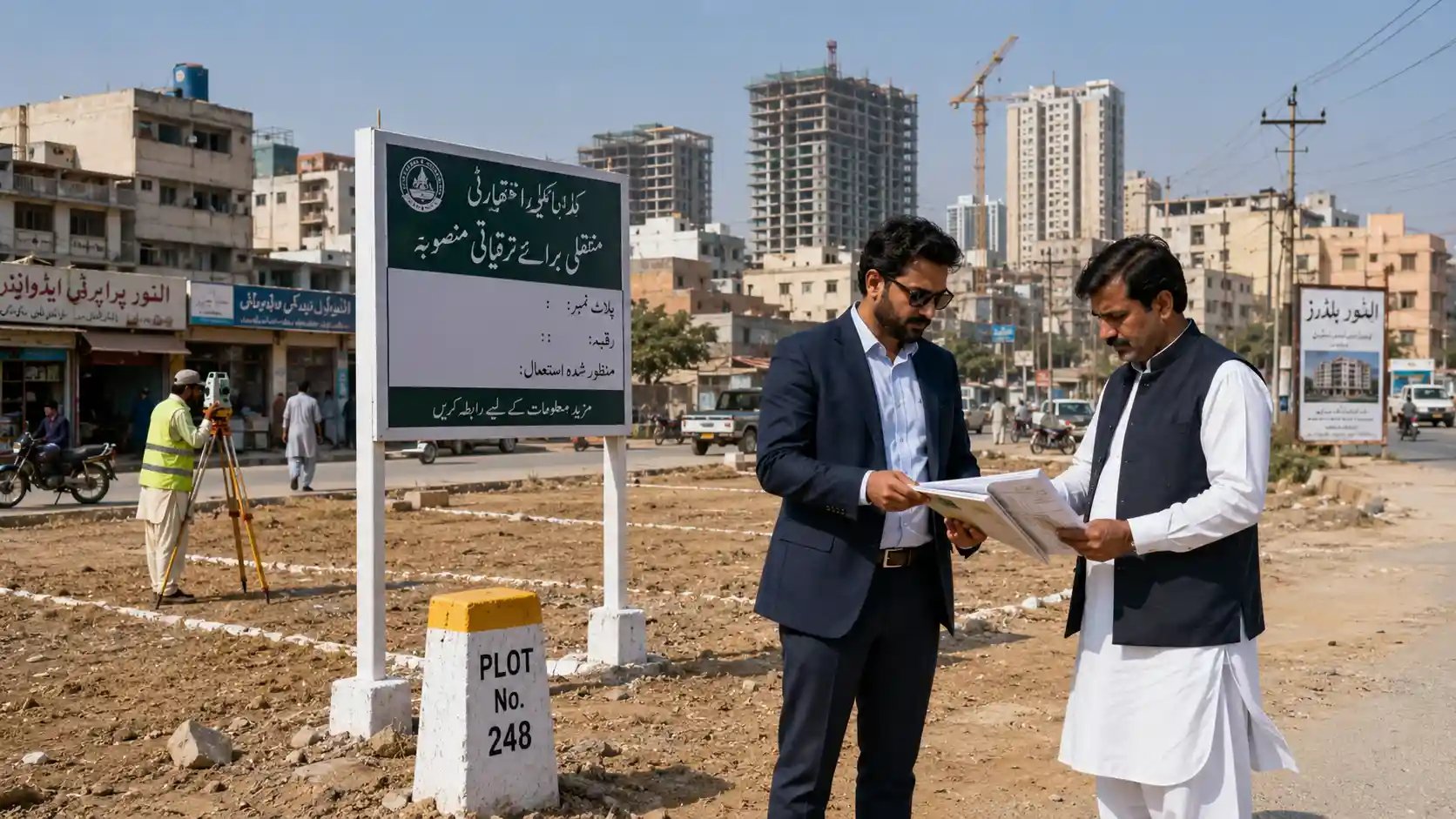

The recent development where the Karachi Development Authority (KDA) seeks approval to transfer land worth billions to the private sector has sparked significant debate. The move, seen as a strategy to unlock the region’s economic potential, is not only about transferring land but reshaping economic policies and urban development strategies. Supporters argue it could lead to unprecedented growth and infrastructure development, whereas critics worry about the consequences on public resources and equitable growth. This article provides a comprehensive analysis of the KDA land transfer’s potential effects on various stakeholders, economic growth, and future urban development.
KDA Land Transfer: An Overview
The Karachi Development Authority, an essential body in Pakistan’s largest city, has been pivotal in urban planning and development. Established to manage land use and urban development, KDA’s recent move to transfer land to the private sector raises questions about its traditional role. While public authorities globally engage in similar practices to mobilize private investment, this step marks a significant shift in policy for Karachi.
The KDA land transfer aims to attract private investment, drive economic activity, and expedite infrastructure projects. By leveraging private sector efficiency and capital, KDA hopes to accelerate development processes that have historically been slow due to bureaucratic impediments. However, this shift involves complex regulatory and administrative challenges, requiring careful examination.
At the core of this move is the reallocation of vast tracts of land within Karachi. These lands, considered prime real estate, present lucrative opportunities for developers, potentially changing the city’s landscape over the next decade.
Historically, KDA has managed urban growth with a focus on public welfare and structured city planning. As this new role unfolds, it could redefine KDA’s identity and function. Conversely, this raises concerns about the loss of public control over essential urban areas, which might lead to incongruence with the city’s master plan unless carefully guided by appropriate policy frameworks.
Affecting a city as large and complex as Karachi could result in unforeseen consequences without strategic planning encompassing social, environmental, and economic facets in a balanced manner.
The Economic Implications of KDA Land Transfer
Economic impacts are at the forefront of discussions regarding KDA’s land transfer initiative. The region stands to gain significantly from increased private investment, which can lead to job creation, increased GDP contribution, and improved infrastructure. However, these economic benefits depend on effective policy implementation and oversight.
Boosting the local economy through increased construction projects and real estate development is expected. This transfer could stimulate various sectors, including construction, retail, and services, creating a ripple effect that boosts economic activity. Yet, the challenge lies in ensuring these benefits reach all strata of society.
Moreover, the influx of private capital could elevate property prices, affecting affordability for local residents. The government must balance incentivizing developers while protecting the interests of existing communities and maintaining affordability.
Another dimension of economic implications involves potential revenue from enhanced taxation. Increases in property taxes and business activities can yield higher revenues for municipal bodies, enabling reinvestments into public services and infrastructure. These aspects require meticulous planning to ensure funds are used effectively for city-wide benefits.
On the global stage, successful integration of private investment aligns Karachi with other booming metropolitan cities, attracting international investors and further establishing the city as an economic hub with potential long-term benefits, albeit contingent upon stable governance.
Urban Development and Infrastructure Challenges
The transformation of Karachi’s urban landscape is a likely consequence of the KDA land transfer. New residential, commercial, and industrial zones may emerge, along with improved public infrastructure. This shift can potentially resolve longstanding issues related to traffic congestion, inadequate utilities, and urban sprawl.
Nevertheless, the integration of these new developments into Karachi’s existing framework poses logistical and engineering challenges. Properly planning transportation networks, water supply, and waste management systems is crucial to prevent exacerbating existing urban problems. Effective coordination between municipal authorities and private developers will be paramount.
Urban planners and policymakers must adopt a holistic approach to accommodate new projects while preserving the city’s cultural heritage and ensuring sustainability in development practices.
Transportation remains a significant challenge as the city expands. Enhancing public transport systems can alleviate traffic woes, providing efficient connectivity that reduces reliance on private vehicles and minimizes environmental impact. Urban initiatives that include rapid transit systems, pedestrian zones, and bicycle lanes can significantly improve connectivity.
Furthermore, maintaining a balance between modern architecture and Karachi’s historical elements is crucial. Development should not come at the cost of the city’s rich cultural heritage, and planners need creative urban solutions to integrate new developments with historical preservation strategies.
Social Impacts of the KDA Land Transfer
The social implications of the KDA land transfer initiative are profound and multifaceted. At its core, the potential for displacement and disruption of local communities presents a vital concern. Strategies to manage these impacts are essential for inclusive growth.
Community engagement is crucial, ensuring that residents have a voice in planning processes. Listening to local concerns can lead to more equitable outcomes, balancing growth with social justice. Programs for compensating displaced residents or providing affordable housing alternatives can mitigate social disruption.
Moreover, efforts to integrate affordable housing within new developments can promote inclusivity. Ensuring that all demographics benefit from urban development is vital for fostering social cohesion in the city.
The idea of ‘right to the city’ should be central to KDA’s strategy, addressing the needs and rights of all citizens, including marginalized groups. Innovative housing solutions and equitable resource distribution can prevent gentrification and displacement, ensuring that improvement benefits don’t exclusively serve affluent factions.
Social impact assessments need to be integrated into planning stages to preemptively address potential disruptions. Education initiatives and social programs that accompany economic growth can empower communities, ensuring economic gains translate into quality-of-life enhancements equitably distributed among all citizens.
Also Read this Article: K-Electric Protected Consumer Eligibility Explained
The Role of Policy and Governance
Effective policy and governance are critical in managing the complexities associated with the KDA land transfer. Developing clear regulatory frameworks to govern transactions between public authorities and private entities is essential for transparency and accountability.
Oversight mechanisms must be robust to prevent corruption and ensure that the public interest is prioritized. The efficiency of government agencies in monitoring these processes can significantly influence the initiative’s success.
Moreover, policies aligning with broader national goals, including sustainable development and economic inclusivity, can enhance the initiative’s positive impacts. Legislative support for innovative partnerships between public and private sectors can catalyze progress.
The role of technology in policy implementation cannot be overlooked. Digital platforms for land management and transaction tracking can enhance transparency, enabling public monitoring and reducing bureaucratic inefficiencies. Technology also aids in more accurate modeling and forecasting for urban development projects.
Building institutional capacity is equally critical, requiring ongoing training for officials and fostering partnerships with academic institutions or international bodies to retain contemporary planning and governance standards tailored to Karachi’s unique urban fabric.
Environmental Considerations in the KDA Land Transfer
Environmental sustainability is a non-negotiable aspect of modern urban planning. The KDA land transfer to the private sector opens opportunities for integrating green technologies and sustainable practices in urban development.
Incorporating eco-friendly designs and construction techniques can reduce the environmental footprint of new projects. The adoption of renewable energy sources, efficient waste management systems, and green spaces can significantly enhance urban living conditions.
Collaboration with environmental experts and organizations can ensure that new developments adhere to sustainability standards, contributing to worldwide efforts to combat climate change and environmental degradation.
Furthermore, adopting a proactive stance in environmental mitigation, such as implementing urban greening goals, can offset the heat island effect and improve air quality. Strategies like rainwater harvesting and promoting urban agriculture not only align with sustainability goals but also add aesthetic value to urban areas.
Emphasizing environmental education and awareness within community projects ensures long-term ecological benefits. Public participation in sustainability initiatives fosters a collective responsibility among stakeholders, enhancing the effectiveness and acceptance of sustainable development practices.
Historical Context: Lessons from Global Examples
Globally, land transfers have been used as tools to reboot economies and catalyze development. Drawing lessons from cities like Dubai and Singapore, where public-private partnerships transformed urban landscapes, can provide valuable insights for Karachi.
While these cities achieved remarkable growth and global recognition, they faced challenges related to inequality and resource distribution. KDA can learn from these examples by ensuring equitable growth and not solely focusing on commercial success.
Benchmarking against global standards and integrating diverse strategies can aid in navigating potential pitfalls, ensuring that the initiative contributes positively to Karachi’s development narrative.
Cities like New York and Hong Kong also offer perspectives, having experienced shifts from industrial to service-driven economies through strategic land use policies and global investments. Their experiences highlight the need for adaptable policies that accommodate dynamic market conditions and international economic trends.
Moreover, the concept of ‘civic entrepreneurialism’—mobilizing local community businesses alongside larger corporations could be explored based on findings from global case studies, fostering grassroot support while enabling large-scale private investments.
The Perspectives of Stakeholders
Different stakeholders stand to be affected differently by the KDA land transfer. Understanding these perspectives is essential for managing expectations and fostering collaboration.
Private developers see immense opportunities for profit and creativity in developing untapped land resources. However, they require policies that facilitate smooth operations without excessive bureaucratic hindrances.
Conversely, local communities may fear loss of their homes or increased living expenses. Engaging them in dialogues to address concerns and secure their buy-in will be crucial for long-term success and social harmony.
Non-governmental organizations (NGOs) and civil society groups also play critical roles, advocating for balanced development that considers vulnerable practices. Their involvement can provide checks and balances in policy implementation, offering alternative insights that align development objectives with social justice.
For international investors, understanding local nuances and cultural dynamics remains critical. Their partnerships with local stakeholders and commitment to corporate social responsibility can significantly influence perceptions and outcomes, driving mutually beneficial development.
Future Prospects: What Lies Ahead for Karachi?
The future of Karachi in the wake of the KDA land transfer to the private sector holds promise and challenges in equal measure. If managed effectively, this initiative could set a new precedent for urban development in Pakistan.
Ensuring that policies are adjustable to changing circumstances and feedback from stakeholders can enhance resilience. Developing a framework that is adaptable to economic and environmental changes is vital. Fostering collaborations between governmental bodies, private developers, and local communities can create a harmonious development environment, making Karachi a model for other cities facing similar challenges.
The city’s economic strategies must also encompass diversification across new industries, such as technology and services, beyond traditional bases. Encouraging educational initiatives aligned with emerging sectors can enhance workforce capabilities, sustaining long-term economic growth.
Smart urbanism, supported by digital innovations, could guide sustainable cityscapes. Adopting data-driven decision-making processes aids in preemptively addressing urban challenges, aligning with modern urban development paradigms that can redefine Karachi’s global standing.
Conclusion
The KDA land transfer to the private sector represents a pivotal moment in Karachi’s urban development journey. Balancing economic growth with social and environmental considerations is essential to maximizing this initiative’s potential. While challenges persist, the opportunity to reshape Karachi’s future is immense.
Strategic planning and stakeholder collaboration will be decisive in realizing the benefits of this initiative. By focusing on inclusive growth, sustainable practices, and robust governance, Karachi can not only transform its physical landscape but also improve the quality of life for its residents. With careful implementation, the KDA land transfer can serve as a catalyst for a prosperous and equitable urban future.
Frequently Asked Questions
What is the purpose of the KDA land transfer?
The purpose is to attract private investment to stimulate economic growth and urban development in Karachi, enhancing infrastructure and creating job opportunities.
How might this land transfer impact local communities?
While it presents growth opportunities, local communities may face potential displacement or increased living costs. Ensuring equitable development and community engagement is crucial.
What are the environmental implications?
Sustainable development practices are recommended to minimize environmental impact, including green technology and eco-friendly construction methods.
What lessons can Karachi learn from global examples?
Studying successful public-private partnerships in cities like Dubai and Singapore can provide valuable insights into achieving sustainable and inclusive urban development.
What are the risks of the KDA land transfer to the private sector?
Risks include potential corruption, insufficient regulatory oversight, and unintended socio-economic disparities. Robust governance and policy frameworks are essential to mitigate these risks.