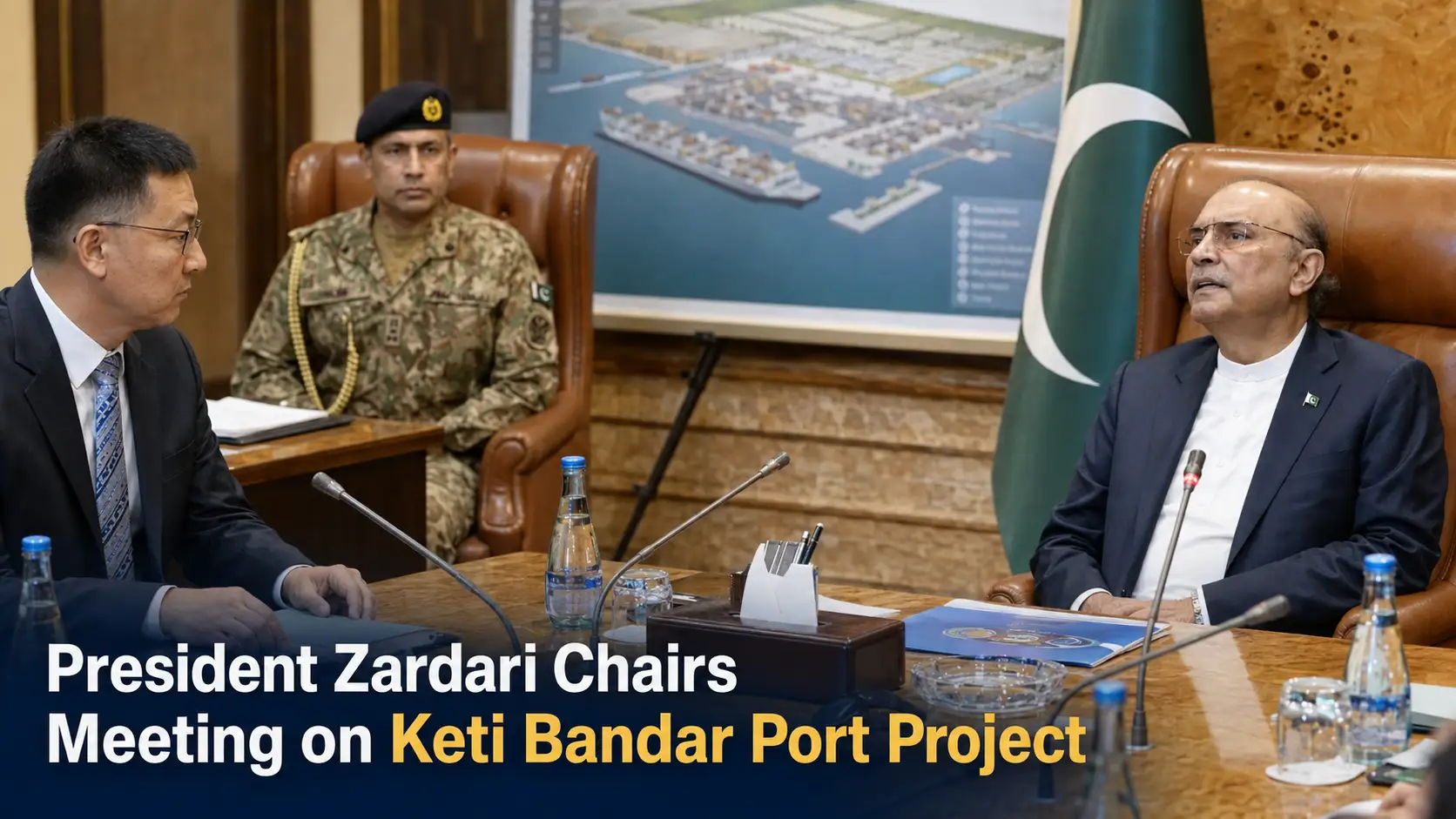







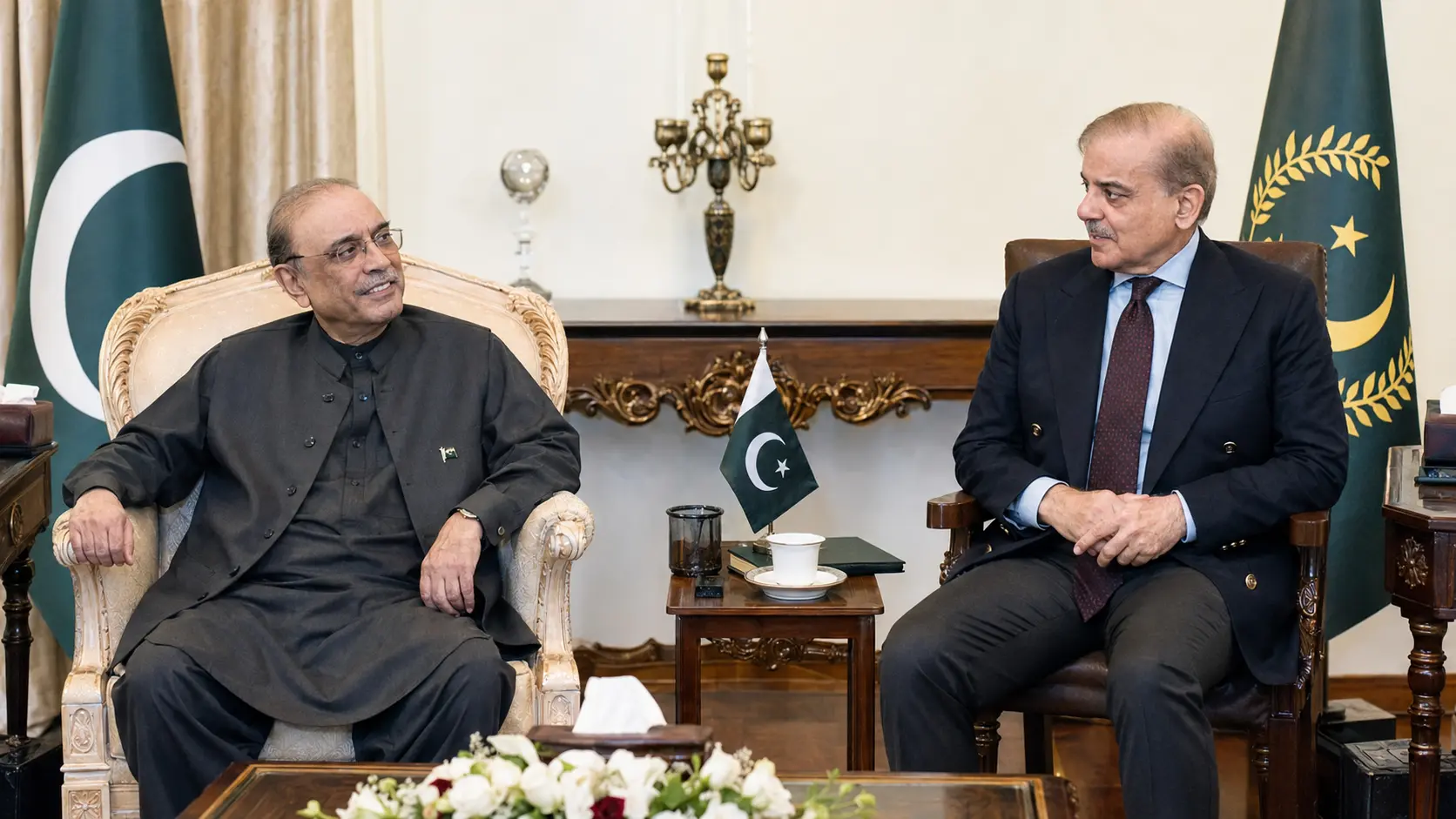

Protect national interests is a crucial declaration made by both President Zardari and Prime Minister Shehbaz Sharif during a recent meeting aimed at re-establishing Pakistan’s foreign and domestic strategies. The discussion ensued in light of a trilateral agreement among Pakistan, Saudi Arabia, and Türkiye aimed at fostering peace and mitigating conflicts in a region that is continually evolving on both social and political fronts. As the tensions in the Middle East and South Asia persist, there is a need for strengthened partnerships to ensure that national interests are preserved amid these complex dynamics. The meeting highlighted not just the urgency of collaboration with neighboring countries, but also the necessity of a united front against domestic challenges like terrorism, which poses a significant threat to stability in Pakistan. Both leaders have expressed their commitment to work together with a focus on safeguarding the nation’s integrity and promoting peace in the region.
The Importance of Protecting National Interests
Protecting national interests involves safeguarding a country’s sovereignty, territorial integrity, and the well-being of its citizens. For Pakistan, this is not merely a goal but a necessity in the context of existing regional tensions, such as those in Afghanistan and relations with neighboring countries. National interests encompass economic growth, security, and the facilitation of foreign relations that are advantageous to the country’s status on the global stage. During the meeting between the President and PM, there was clear acknowledgment of how pivotal it is for Pakistan to define and execute its foreign policies in a manner that continually fortifies its national interests.
The concept of national interest is not static it evolves as global political landscapes change. In times of unrest or during shifts in alliances, nations must reassess their interests and adapt their strategies. For Pakistan, navigating this requires a careful balance of maintaining relationships with allies like Saudi Arabia and Türkiye while managing its own internal challenges. Thus, the commitment to protecting national interests is tied closely to both regional stability and internal security, which are crucial for the flourishing of national identity.
In this evolving scenario, the significance of trilateral agreements stands out. These agreements are instrumental in addressing regional concerns collectively, presenting a united stance against shared adversities such as terrorism and economic instability. By formally committing to these partnerships, Pakistan aims to secure a position that not only safeguards its own interests but also contributes to wider regional harmony, ensuring that peace prevails.
Moreover, protecting national interests also means addressing social challenges within the country. It involves empowering marginalized communities and promoting equality, ensuring that all citizens benefit from national policies. This aspect of national interest often requires initiatives that address social justice, eradicate poverty, and enhance access to education and healthcare. By investing in human capital, Pakistan can build a resilient society capable of adapting to both internal and external challenges.
Trilateral Agreements: The Role of Pakistan, Saudi Arabia, and Türkiye
The recent trilateral agreement between Pakistan, Saudi Arabia, and Türkiye signifies commitment towards collective strategic objectives and mutual cooperation. Such agreements pave the way for addressing myriad challenges that the region faces. In this context, the leaders emphasized the importance of tangible cooperation among these nations to manage sectors ranging from defense to counter-terrorism efforts.
One of the key components of this trilateral partnership is the stabilizing effect it can have on the broader Middle Eastern and South Asian geopolitical landscape. By engaging in dialogue and partnership, these nations can better mitigate the risks posed by terrorism and other forms of violence that threaten both domestic safety and regional stability. As the international community continues to grapple with issues related to extremism and terrorism, a united front becomes imperative.
Moreover, this partnership also fosters economic cooperation and mutual support in development initiatives. By pooling resources and sharing knowledge, Pakistan, Saudi Arabia, and Türkiye can create more robust local economies, ultimately contributing to broader economic resilience and prosperity. Thus, the trilateral agreement stands as a testament to the commitment of these nations to fortify their relationships while also addressing pressing challenges.
Economically, the trilateral agreement opens up opportunities for collaborative ventures across various sectors such as energy, technology, and infrastructure. By leveraging each other’s strengths, the three nations can embark on large-scale projects that boost job creation and technological innovation. This economic collaboration can be a game-changer, enabling shared prosperity and fostering a climate of investment that benefits all involved parties.
The Stance Against Terrorism
In the pursuit to protect national interests, the joint stance against terrorism emerges as a priority for both the President and PM. Terrorism poses a multi-faceted threat, not only to the physical safety of citizens but also to Pakistan’s socio-economic fabric. The leaders voiced a strong resolve to dismantle terrorism networks operating within the country, seeking to ensure that communities can prosper without the looming threat of violence.
The strategy to combat terrorism integrates not just military solutions but also socio-economic ones. By investing in education, healthcare, and local development, the government can address the root causes that often lead individuals down the path of extremism. For instance, providing young people with opportunities for gainful employment can curtail recruitment by terrorist organizations, thereby addressing one of the core issues of the terrorism challenge.
Furthermore, international collaboration becomes indispensable in this fight against terrorism. By sharing intelligence and establishing regional security mechanisms, Pakistan can create an environment less conducive to terrorism. In cooperation with allies like Saudi Arabia and Türkiye, Pakistan can enhance its readiness to tackle transnational threats effectively, ensuring that its national interests remain safeguarded against pressures from both domestic and international fronts.
This stance against terrorism is also reflected in legislative and policy reforms aimed at strengthening the judicial system and ensuring swift justice for acts of terrorism. Achieving this goal requires a holistic approach that balances punitive measures with rehabilitative efforts aimed at reintegrating former extremists into society. This dual approach ensures that the fight against terrorism strengthens national unity and promotes long-term stability.
Historical Context of Pakistan’s Foreign Relations
Understanding the present commitment to protect national interests requires a look into Pakistan’s historical foreign relations. The country has navigated complex geopolitical waters since its independence in 1947. With enduring relationships with countries such as the United States, China, and more recently with Gulf nations including Saudi Arabia and Türkiye, Pakistan’s diplomatic landscape has been shaped by numerous historic events and crises.
In recent years, the shifting geopolitical landscape has compelled Pakistan to adapt its foreign relations approach. The war on terror, rising tensions with neighboring India, and fluctuating relationships with superpowers highlighted the need for a resilient foreign policy that prioritizes national interests. Agreements with regional allies reflect a strategic pivot that aims to leverage collaboration for mutual benefits while minimizing vulnerabilities stemming from external conflicts.
By examining landmark treaties, economic partnerships, and military alliances, one can see how crucial foreign relations have been in shaping Pakistan’s strategic choices. The underlining goal has remained the same: to protect national interests while fostering regional stability. The commitment made by the President and PM signifies a realization of past lessons and a determination to chart a course that secures Pakistan’s place in the global arena.
Pakistan’s historical relations have often been influenced by the need to navigate the competing interests of major global powers. This delicate balancing act has often led to innovative foreign policy strategies aimed at maximizing benefits while minimizing risks. Through carefully crafted alliances and strategic diplomacy, Pakistan continues to safeguard its national interests in a world characterized by shifting alliances and emerging geopolitical threats.
Also Read This Article : Norway Praises Pakistan’s Important and Constructive Role in Iran-US Conflict
Impact of Global Developments on National Interests
Protecting national interests does not occur in a vacuum; it is significantly influenced by global developments. Political shifts, economic crises, and international conflicts can all have ramifications that affect Pakistan’s strategic priorities. For instance, the recent realignments in global power dynamics have necessitated a careful re-evaluation of Pakistan’s alliances.
The ongoing crisis in Ukraine and its reverberations across global markets highlight the interconnected nature of international affairs. Rising energy prices, refugee influx, and enhanced security threats are issues that Pakistan, like many other nations, must navigate. In this regard, international partnerships become essential. They provide a shield against potential global downturns by offering economic and logistical support to mitigate impacts.
Moreover, climate change, technological advancements, and public health crises also play substantial roles in shaping national interests. Environmental disasters require a collaborative approach for effective disaster risk reduction, while advancements in technology necessitate innovation and skill enhancement. As global narratives shape domestic realities, Pakistan’s commitment to protecting national interests reflects an understanding that these issues are complex and multifaceted.
The impact of global developments also extends to the realm of public health, as exemplified by the recent pandemic. To protect national interests in this domain, Pakistan must enhance its healthcare infrastructure, prioritize research and development, and ensure adequate resources for emergency preparedness. By learning from past experiences, the nation can better prepare for future challenges that might emerge on a global scale.
The Role of Governance in National Interest Protection
For any strategy aimed at protecting national interests to succeed, strong governance is paramount. The meeting between President Zardari and PM Shehbaz highlighted the importance of transparent and effective governance in implementing policies that directly affect national stability. A government that operates with integrity and accountability creates a climate of trust, making citizens more likely to engage positively within their communities.
Long-standing challenges such as corruption, inefficiency, and lack of transparency need to be addressed to create an environment conducive to policy implementation. Robust governance can provide the necessary framework to institute reforms that not only protect national interests but also enhance public welfare. If citizens feel secure and their needs are met, the potential for disruptive actions diminishes significantly.
Additionally, involving citizens in the governance process fosters a sense of ownership and responsibility towards national issues. Public engagement can become a force for good, drastically reducing the influence of negative narratives propagated by extremist elements that thrive on instability and disenfranchisement. By cultivating a governance structure that focuses on collective well-being, Pakistan can thereby protect its national interests more effectively.
The integration of technology in governance processes further enhances efficiency and transparency. Implementing e-governance solutions can streamline administrative procedures, reducing opportunities for corruption while enhancing service delivery. Such innovations play a crucial role in fostering an environment where national interests are prioritized, and citizens’ needs are effectively addressed.
The Economic Dimension of Protecting National Interests
Protection of national interests is intricately linked to economic stability and growth. A robust economy enables a country to engage with others on favorable terms and invest in defense capabilities, public services, and infrastructure. President Zardari and PM Shehbaz underscored the need for economic reforms that not only drive growth but also ensure equitable distribution of resources.
Poverty, unemployment, and lack of economic opportunities contribute to unrest and extremism. By prioritizing economic policies that promote job creation and sustainable development, the government can lay a foundation for lasting peace and security. Furthermore, fostering entrepreneurship and attracting foreign investment can serve as key strategies in fortifying economic interests while also bolstering international relations.
Additionally, trade partnerships with countries like Saudi Arabia and Türkiye will play a pivotal role in paving the way for economic ties that support the nations’ security objectives. Establishing trade routes, collaborating on joint ventures, and creating investment opportunities all contribute towards a climate of stability that protects national interests while ensuring wealth generation.
Engaging in global trade networks not only aids in bolstering the domestic economy but also in strengthening diplomatic ties. By exploring new markets and reducing trade barriers, Pakistan can enhance its economic resilience while projecting its influence on a global stage. This robust economic positioning plays a crucial role in shielding national interests from external economic shocks.
Future Directions: Setting a Strategic Agenda
Looking ahead, the commitment expressed by President Zardari and PM Shehbaz to protect national interests calls for the development of a strategic agenda that is both agile and responsive to ongoing changes. The dynamics of international relations and regional security require a versatile strategy that encompasses diplomatic, economic, and security considerations.
The creation of a comprehensive plan should involve stakeholder consultations, incorporating voices from various sectors, including civil society, business leaders, and security experts. Collaborative approaches can ensure that national interests are safeguarded from multiple angles, securing collective buy-in for policies that govern the nation’s direction.
As Pakistan engages in partnerships to address challenges such as climate change, terrorism, and economic inequality, it must be willing to reevaluate its approaches continually. The commitment to protect national interests can only be fully realized through a holistic strategy that recognizes the interconnectedness of local, national, and global challenges, paving the way for a prosperous future.
Implementing a forward-thinking strategic agenda also requires investment in education and research to prepare the next generation of leaders who can navigate an increasingly complex global environment. By prioritizing education and skill development, Pakistan ensures the availability of a well-equipped workforce committed to driving national interests forward in an evolving world.
Conclusion
The pledge made by President Zardari and PM Shehbaz to protect national interests marks a pivotal moment in Pakistan’s journey toward securing its future amidst myriad challenges. The alignment with Saudi Arabia and Türkiye in pursuing peace and stability underscores a recognition that the region’s intricacies require collaborative efforts that go beyond mere rhetoric. The emphasis on combating terrorism and promoting economic growth lays a solid foundation for sustained progress.
Moreover, the effective governance that prioritizes accountability and inclusiveness will be instrumental for actualizing this commitment. As Pakistan navigates a complex geopolitical landscape, the marriage of effective diplomacy with local development is essential in creating a sustainable path for the future. A clear dedication to protecting national interests will not only ensure security but also foster a climate where citizens can thrive.
In conclusion, the path forward is laden with both challenges and opportunities, and it is through strategic partnerships, robust governance, and comprehensive policies that Pakistan will move closer to achieving its goals. The collaborative framework established through the trilateral agreement is a significant step in this direction, as it sets the stage for shared success in a region that demands more unity than ever before.
Frequently Asked Questions
What does it mean to protect national interests?
Protecting national interests refers to safeguarding a nation’s sovereignty, security, and well-being. It involves strategic initiatives aimed at promoting long-term stability and economic growth while addressing internal challenges like terrorism and governance issues.
How does the trilateral agreement impact Pakistan’s security?
The trilateral agreement enhances Pakistan’s security by fostering collaboration with allies like Saudi Arabia and Türkiye, making it easier to address transnational threats, including terrorism, and promoting regional stability through mutual support.
Why is combating terrorism a focus for the leaders?
Combating terrorism is fundamental to protect national interests as it directly affects citizens’ safety and well-being. Both leaders view the eradication of terrorism as essential for establishing a peaceful and secure environment conducive to national growth.
What role does governance play in national interest protection?
Good governance is crucial in protecting national interests. It creates a transparent and accountable system that promotes citizens’ trust, enabling effective implementation of policies aimed at improving security and stability.
What future steps can Pakistan take to protect its national interests?
Pakistan can strengthen its national interests by enhancing regional collaborations, investing in economic development, and promoting effective governance. A strategic agenda that encompasses these elements will further ensure that national interests are safeguarded.