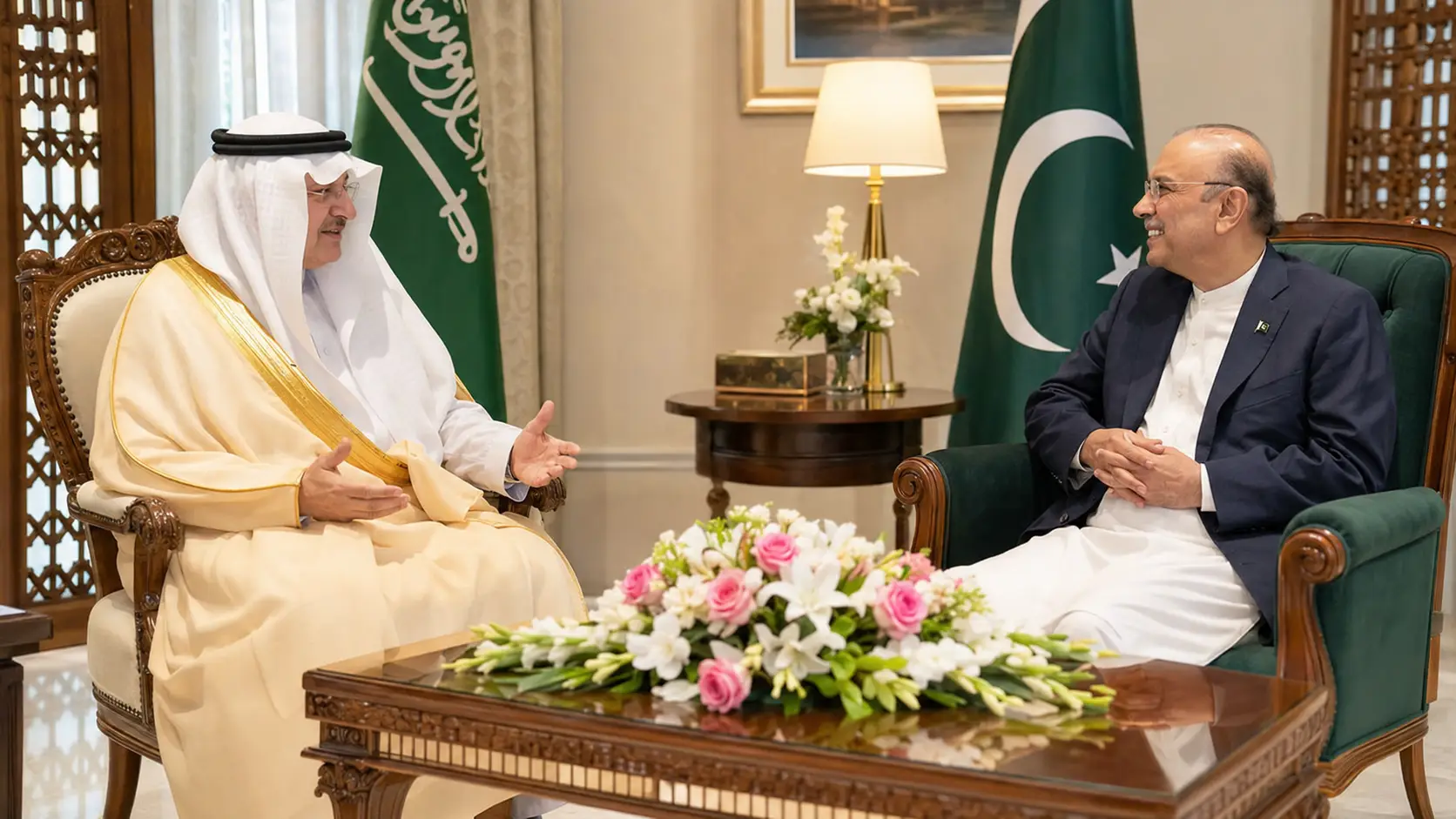
Pakistan-Saudi ties have evolved significantly over the years, bolstered by distinguished diplomats and leaders. Recently, President Asif Ali Zardari recognized the crucial role played by Ambassador Nawaf bin Said Al-Malkiy in advancing these longstanding relationships. During his tenure in Islamabad, Ambassador Al-Malkiy not only solidified diplomatic relations but also fostered a unique cultural and economic exchange between the two nations.
His efforts stand as a testament to the commitment of both countries to fortify their strategic and fraternal ties, which are steeped in history and shared values. In this article, we will delve into the various aspects of Ambassador Al-Malkiy’s contributions and what they mean for the future of Pakistan-Saudi ties.
The Historical Context of Pakistan-Saudi Ties
The relationship between Pakistan and Saudi Arabia has a rich and multifaceted history that dates back to the establishment of Pakistan in 1947. From the outset, Saudi Arabia has been one of Pakistan’s closest allies, providing crucial economic and military support. Additionally, both nations share Islamic values, which have further cemented their bond. Over the decades, the collaborative efforts in various domains such as defense, trade, and culture have contributed immensely to the robust nature of these ties.
Key events, such as Prince Saud Al-Faisal’s visits to Pakistan and the formation of the Saudi-Pakistani Joint Commission, underscore the diplomatic endeavors that have taken place. These actions have laid the groundwork for the kind of supportive partnership that continues today. In recent times, the geopolitical landscape has transformed, prompting both countries to reevaluate and strengthen their alliance to confront common challenges, such as economic stability and security threats in the region.
With the founding of the Organization of Islamic Cooperation, both nations recognized the importance of unity among Muslim nations. This initiative further highlights the commitment of Pakistan and Saudi Arabia to enhance international cooperation in the face of contemporary issues affecting the Muslim world.
Moreover, the shared history includes significant collaborations on regional and international platforms, playing pivotal roles in peacekeeping efforts and providing humanitarian aid across conflict zones. The myriad of joint endeavors has created a resilient foundation that accommodates changes in political climates and leadership transitions, making Pakistan-Saudi ties more adaptable and enduring.
In the backdrop of global political shifts, these relationships have required a nuanced understanding of each other’s foreign policy priorities. Both nations, unique in their geographies and demographics, require a harmonious stance in international forums, reflecting their shared concerns over regional security and economic prosperity. The ties have thus transcended mere diplomacy, embedding themselves in the social and cultural fabric that allows for profound mutual respect.
Ambassador Nawaf bin Said Al-Malkiy’s Tenure
Nawaf bin Said Al-Malkiy has been a notable figure in Pakistan’s diplomatic landscape, serving as Saudi Arabia’s envoy since 2018. His approach to diplomacy emphasizes deep engagement and fostering meaningful partnerships, rather than merely transactional relationships. This methodology is particularly vital in sustaining and elevating Pakistan-Saudi ties during a period characterized by global uncertainty.
During his time in Islamabad, Ambassador Al-Malkiy navigated complex issues, including regional security, economic development, and cultural exchange. His persistence in dialogue has helped to ease tensions and build mutual understanding, which is critical for the longevity of both nations’ ties. Moreover, his tenure witnessed the strengthening of various initiatives aimed at enhancing bilateral cooperation in numerous fields.
Al-Malkiy’s proactive diplomacy has not only contributed to governmental relations but has also encouraged people-to-people connections. By promoting cultural events and educational exchanges, he has fostered an environment of mutual respect and admiration, thus enhancing the fraternal ties between the Saudi and Pakistani people.
His diplomatic style has been characterized by its inclusivity and willingness to listen and understand diverse perspectives. This has been evident in his efforts to include business leaders, academics, and cultural figures in the broader dialogue between the nations. By doing so, Ambassador Al-Malkiy has ensured that the connections forged during his tenure are multifaceted and ingrained at various levels of society.
Additionally, his strategic vision included addressing common developmental challenges such as water scarcity, energy needs, and urban planning through bilateral cooperation. This holistic approach has proven essential in aligning the priorities of both governments, thereby ensuring that Pakistan-Saudi ties remain robust and mutually beneficial.
Economic Implications of Pakistan-Saudi Ties
The economic partnership between Pakistan and Saudi Arabia is pivotal to the overall relationship between the two nations. During Ambassador Al-Malkiy’s tenure, several important initiatives were launched, focusing on trade and investment. These initiatives have potential long-term implications for both economies, addressing challenges such as unemployment and economic diversification.
Saudi Arabia has historically been a significant investor in Pakistan, with substantial investments in sectors such as infrastructure, energy, and information technology. Ambassador Al-Malkiy’s efforts have been aimed at attracting more Saudi investors to Pakistan, showcasing the vast opportunities that lie within Sindh, Punjab, and Khyber Pakhtunkhwa provinces. Moreover, the Saudi Vision 2030 initiative, which seeks to diversify the Saudi economy, aligns with Pakistan’s own economic objectives, thus presenting a natural synergy for cooperation.
Furthermore, the role of remittances cannot be overlooked. Millions of Pakistanis reside in Saudi Arabia, contributing billions to Pakistan’s economy annually. Recognizing this, Ambassador Al-Malkiy has emphasized the importance of facilitating labor agreements that not only protect Pakistani workers but also ensure the sustainability of remittance flows, reinforcing the economic fabric of Pakistan.
The economic collaboration has also extended into nascent areas such as renewable energy and technology startups, which are increasingly becoming important in a world moving towards sustainable development. This has opened new avenues for investors to engage with modern economic sectors, thereby providing fresh impetus to Pakistan-Saudi ties.
Moreover, commercial exchanges are being expanded through various trade agreements, with both countries aiming to remove barriers that hinder the flow of goods and services. These efforts are not only about increasing trade volumes but also about adding value and fostering innovation in traditional industries. It reflects a shared vision for sustainable growth, positioning both countries as key players in regional economic development.
Cultural Exchanges: A Vital Component of Pakistan-Saudi Ties
In addition to economic collaborations, cultural exchanges play an indispensable role in the reinforcement of Pakistan-Saudi ties. Ambassador Al-Malkiy has been active in promoting cultural initiatives that highlight the rich traditions and values shared by both nations. These efforts have been crucial in fostering better understanding and appreciation between the Saudi and Pakistani people.
Events such as art exhibitions, culinary festivals, and educational seminars have showcased the diverse cultural landscapes of both nations. By promoting the cultural heritage of Pakistan in Saudi Arabia and vice versa, Ambassador Al-Malkiy has contributed to a more intimate bond between the two nations. The Interfaith Dialogue initiative, launched during his term, aimed to promote peace and tolerance in both societies, highlighting the need for mutual respect among diverse religious communities.
These cultural initiatives contribute not only to diplomatic relations but also enhance tourism prospects. Increasing awareness of each country’s culture encourages people-to-people exchanges, which further solidifies diplomatic ties and fosters goodwill.
Furthermore, educational exchanges have been a cornerstone of cultural diplomacy, supporting students and scholars in both countries to engage in academic endeavors. This has created a vibrant exchange of ideas, leading to collaborative research and innovation that benefits both nations.
The promotion of cultural diplomacy has extended to include digital platforms, where virtual events and online collaborations have allowed people from both countries to engage in meaningful dialogue despite geographical limitations. This expansion into new mediums of exchange signifies the adaptability of cultural ties, ensuring they remain relevant in contemporary society.
Also Read This Article: Pakistan and Google Sign MoU to Drive $30 Billion Digital Economy
Shared Strategic Interests: Security Cooperation
Security cooperation is another dimension of Pakistan-Saudi ties that has gained prominence in recent years. Both countries are situated in volatile regions, facing security threats from terrorism and extremism. Under Ambassador Al-Malkiy’s leadership, collaborative efforts between the two nations have intensified, focusing on intelligence sharing and military collaboration.
The establishment of joint military exercises and training programs has facilitated better preparedness against common security challenges. Both nations have recognized that a coordinated approach is essential for tackling the instability that threatens their borders and citizens. By fostering a strategic partnership in security, Ambassador Al-Malkiy has bolstered Pakistan-Saudi ties in an area that is vital for both countries’ sovereignty and stability.
Moreover, the two nations have also worked together in international forums such as the Organization of Islamic Cooperation (OIC) to develop joint strategies for combating extremism and facilitating peace-building initiatives in conflict-ridden areas. Such collaboration demonstrates a shared commitment to creating a stable and secure environment for future generations.
Additionally, the partnership extends beyond conventional security measures, addressing issues such as cybersecurity and transnational crime. With digital threats posing new challenges, both nations have actively collaborated on capacity building and sharing best practices to enhance digital resilience.
The strategic alliance has also been instrumental in fostering dialogues with other regional powers, creating a broader coalition in addressing shared security concerns. These efforts have ensured that the partnership is not just bilateral but extends to creating a stable regional order, benefiting a wider sphere in achieving peace and prosperity.
The Impact of the Ambassador’s Departure
The acknowledgment of Ambassador Al-Malkiy’s contributions by President Zardari signifies the importance placed on his role in enhancing Pakistan-Saudi ties. His departure marks a transitional phase for both nations, raising questions about how the next envoy will build upon the foundation laid during his tenure. There is a sense of anticipation surrounding the selection of the new ambassador, as continuity in diplomatic relations is crucial for maintaining the stability of this long-standing partnership.
As the new ambassador takes office, it will be essential for him to understand the dynamics that have shaped the existing relationship. Opportunities for growth remain vast, especially in the realms of trade, investment, and cultural exchange. The success of the new envoy will largely depend on his ability to navigate the complexities of evolving geopolitical landscapes while staying true to the values of cooperation and mutual respect.
Additionally, the changing global order necessitates that both nations adapt their strategies to better address their interests. The continuation of initiatives started by Ambassador Al-Malkiy will be pivotal in ensuring that the trajectory established is not disrupted, thereby securing Pakistan-Saudi ties for years to come.
The new ambassador will find himself at the helm during a time of unprecedented global challenges, such as the COVID-19 pandemic and its economic repercussions, which call for innovative diplomacy and creative problem-solving. Building on the networks and trust established by his predecessor, the new envoy’s role will be crucial in maintaining momentum and ensuring that bilateral relations continue to thrive.
It’s imperative that the new envoy also looks towards expanding the bilateral dialogue to encompass pressing global issues like sustainability, digital transformation, and global health, which are becoming increasingly important in shaping future diplomatic endeavors and ensuring widespread benefit.
The Future of Pakistan-Saudi Relations
Looking forward, the future of Pakistan-Saudi ties appears promising, albeit challenging. The global political landscape is changing rapidly, necessitating adaptability from both nations. While the historical relationship has been strong, contemporary issues such as climate change, economic instability, and geopolitical challenges require both countries to collaborate closely and innovate solutions.
New fields of partnership, such as technology, renewable energy, and education, are emerging as vital areas for cooperation. By investing in these sectors, both nations can maintain momentum in their relationship and enhance their contributions to regional stability and development.
Furthermore, public diplomacy will play an increasingly important role in shaping perceptions between the peoples of both countries. The success of future endeavors will largely depend on the extent to which the governments engage in transparent dialogue and communicate their successes and challenges openly. Ultimately, the mutual benefits derived from Pakistan-Saudi ties will depend on the commitment of both nations to uphold the values of partnership and solidarity.
Additionally, efforts must be made to further expand collaborative projects in fields like science and technology, where joint research initiatives can lead to technological advancement and innovation, offering solutions to pressing global challenges.
Moreover, strengthening institutional frameworks and creating more inclusive platforms for dialogue can ensure that the engagement covers all societal facets, from governmental to grassroots levels, thereby fostering a more cohesive and comprehensive bilateral relationship.
Conclusion
In summary, President Asif Ali Zardari’s acknowledgment of Ambassador Nawaf bin Said Al-Malkiy’s contributions to strengthening Pakistan-Saudi ties speaks volumes about the significance of diplomatic engagement in today’s world. As we look ahead, the pathways established through economic, cultural, and strategic cooperation will remain essential for navigating the complexities of the future.
Ambassador Al-Malkiy’s tenure serves as an emblem of deep-rooted friendship as both nations continue to work together in fostering a robust partnership that aligns with their respective interests. As we transition into this next chapter in diplomatic relations, there is much anticipation regarding the new ambassador’s mission, and the collective hopes for Pakistan-Saudi ties will undoubtedly guide future engagement.
Frequently Asked Questions
What are the main accomplishments of Ambassador Al-Malkiy in enhancing Pakistan-Saudi ties?
Ambassador Al-Malkiy played a critical role in fostering economic cooperation, cultural exchanges, and security collaboration, thus solidifying Pakistan-Saudi ties during his tenure.
How have cultural exchanges contributed to Pakistan-Saudi ties?
Cultural exchanges, promoted by Ambassador Al-Malkiy, have enhanced mutual understanding and appreciation, playing a vital part in strengthening Pakistan-Saudi ties through people-to-people connections.
What are the future challenges for Pakistan-Saudi relations?
The future challenges include geopolitical shifts, economic instability, and the need for collaboration in emerging areas such as technology and renewable energy to maintain Pakistan-Saudi ties.
Why is the selection of a new ambassador critical for Pakistan-Saudi ties?
The appointment of a new ambassador will play a pivotal role in maintaining continuity and fostering further diplomatic engagement, which is crucial for securing Pakistan-Saudi ties.
How can economic partnerships be enhanced between Pakistan and Saudi Arabia?
By focusing on new investment opportunities, aligning with Saudi Vision 2030, and facilitating labor agreements, both nations can significantly enhance their economic partnerships, which are central to Pakistan-Saudi ties.




 Muhammad Abdullah |
August 24, 2026
Muhammad Abdullah |
August 24, 2026