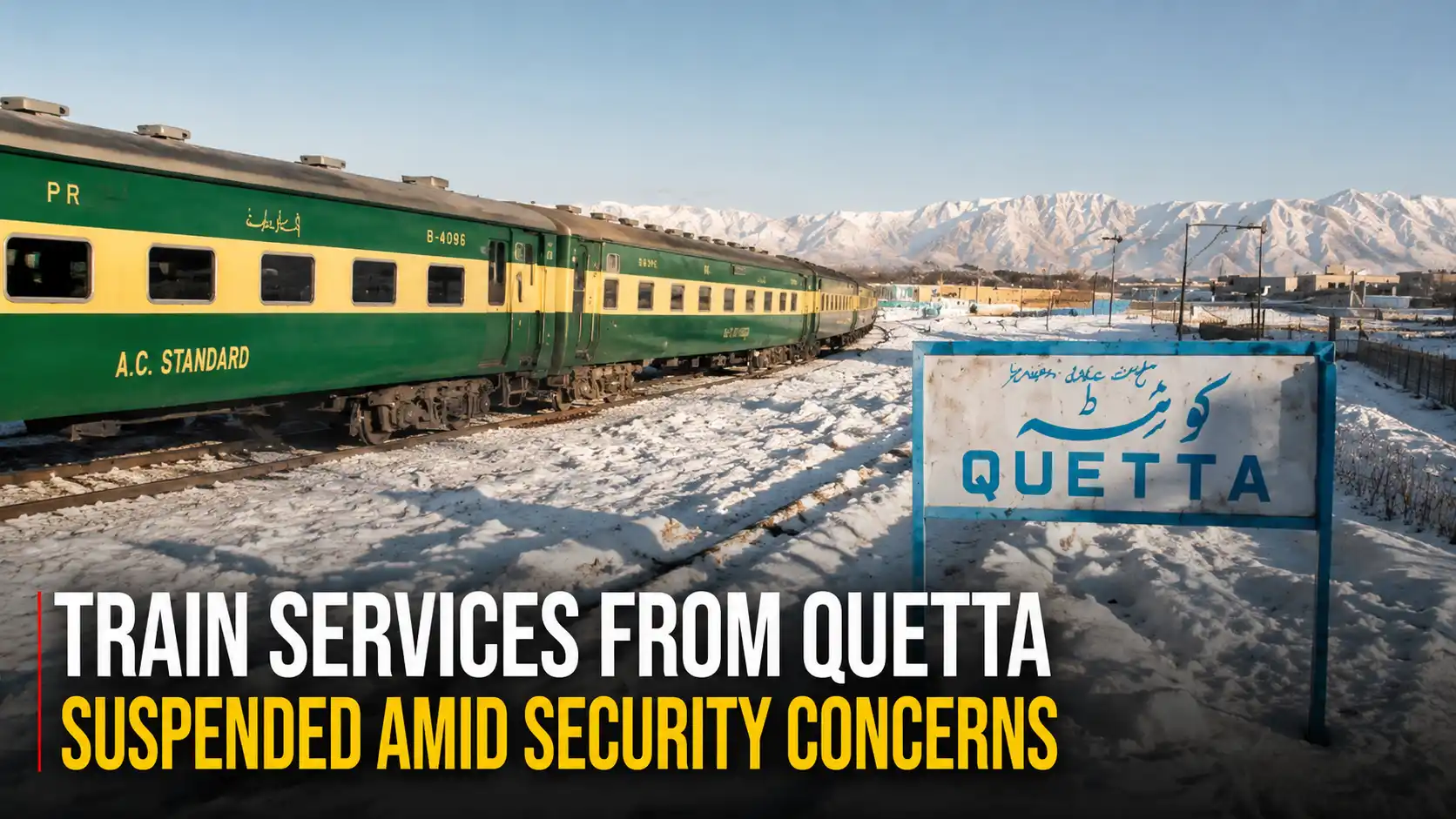
Train services from Quetta suspended on Tuesday have become a pressing issue as railway authorities react to heightened security concerns in the region. Quetta, the capital of Balochistan province in Pakistan, has faced numerous challenges over the years, including incidents of violence and unrest. The decision to halt train operations for a day was primarily influenced by recent threats that could jeopardize the safety of passengers and railway staff alike. Such measures, while necessary for protecting human life, bring to the forefront a myriad of questions regarding the impact on commuters, the broader implications for rail travel, and the ongoing security situation in Balochistan. This article delves deep into these aspects, exploring not just the immediate effects of this suspension but also its long-term repercussions, drawing on expert opinions, historical context, and potential future developments.
Understanding the Security Landscape in Balochistan
The security landscape in Balochistan is fraught with complexity and historical depth. Over the years, the province has witnessed a series of violent episodes, primarily due to sectarian strife and insurgent activities. Groups such as the Baloch Liberation Army have raised their voices against the state, advocating for independence and control over local resources. These turbulent conditions naturally create a security apprehension that affects not just daily life, but crucial public services like the train networks that connect various parts of the country.
In the wake of terrorist incidents and a general decline in law and order, railway authorities frequently find themselves in precarious situations as they strive to maintain operational continuity. The suspension of train services from Quetta means more than just disruption for travelers it reflects a broader societal issue where safety becomes paramount. The complexity of the political dynamics and socio-economic grievances present in Balochistan informs the local populace’s understanding of security and the anticipated risks associated with travel in and out of the region.
Understanding these factors is essential not only to contextualizing the recent suspension but also in grasping the potential implications for future rail services. As authorities navigate these waters, the balance between operational necessity and public safety continues to weigh heavily on decision-making processes at all levels.
Beyond the immediate risks, the historical grievances in Balochistan, such as underrepresentation and economic marginalization, feed into the cycle of unrest. These longstanding issues contribute significantly to the current security situation and cannot be overlooked when analyzing the necessity for halting train operations. Efforts to improve security must therefore be part of a more comprehensive strategy that addresses these root causes.
Impact on Local Economy
The suspension of train services from Quetta has immediate repercussions for the local economy. Railways serve as a lifeline, connecting businesses, tourist hotspots, and everyday travelers to the larger market and urban centers. With train services suspended for a day, local vendors, freight companies, and individual entrepreneurs who rely on the train network are left in precarious positions. Small businesses that depend on the regular flow of goods may suffer significant losses, potentially affecting their sustainability.
Furthermore, this suspension disrupts the connectivity that local farming communities depend on. For instance, perishable goods like fruits and vegetables, which may be transported via rail to larger cities, face the threat of spoilage and waste. Therefore, the economic repercussions are felt not just at a macro-level; they also have a profound impact on individual livelihoods in Balochistan. This disruption can lead to deploying alternative means of transport, which are often more costly and less reliable.
In the longer term, a trend of intermittent suspensions could discourage investment in local businesses, as potential investors may see an unstable transportation network and security risks as deterrents. The resulting stagnation could set off a cycle of economic downturn that is difficult to reverse. Local experts emphasize the critical need for reliable transport along with improved security measures to address such challenges.
The psychological impact of suspended services on local business owners cannot be underestimated. A climate of uncertainty about the future of rail services might prompt entrepreneurs to seek alternative markets or means of transporting goods, which could increase operational costs and lower regional competitiveness.
Commuter Concerns and Alternatives
For those reliant on train services, the sudden suspension brings immediate and practical concerns regarding how they will manage their transportation needs. Many individuals may face uncertainty about employment, education, or urgent personal matters that necessitate rapid travel. As a consequence, significant frustration has emerged among commuters who feel that their mobility is being unduly restricted.
In the interim, commuters often resort to alternative transport methods such as buses and private cars, which may come at a premium. The inconvenience of switching to less reliable transport options often results in longer travel times and increased stress, complicating day-to-day life. Moreover, the quality of service provided by these alternative transport mechanisms is notoriously variable, which further escalates commuter anxiety.
Authorities are faced with the challenging task of ensuring not just public safety but also the continued movement of people. The introduction of temporary solutions, such as enhanced patrolling or security checks in alternative transportation methods, may provide some assurance, but ultimately, these measures can only mitigate rather than eliminate the inconvenience caused by the suspension. There appears to be a pressing need for a multifaceted approach to address security and travel efficiency simultaneously.
Moreover, the psychological burden on the population in terms of heightened anxiety due to security concerns should be considered. When individuals cannot rely on public transportation, their overall confidence in safety during travel diminishes. This long-term erosion of trust may lead to a decreased use of rail services even when they are operational.
Historical Context of Rail Travel in Balochistan
To understand the current railway situation in Quetta, it’s beneficial to look back at the history of rail travel in Balochistan. The railway expansion in Pakistan during the British colonial period laid the groundwork for a broad railway network connecting major towns and cities. However, in Balochistan, development has faced numerous roadblocks, with the socio-political landscape substantially influencing the operational capabilities of rail services.
Historically, the region has grappled with a lack of infrastructure investment, leading to underutilization of railway resources. Despite being theoretically positioned as a crucial transport hub, many railway stations in Balochistan remain underfunded and poorly maintained. The dynamic of neglect speaks volumes about broader economic challenges and the regional government’s budgetary priorities.
This historical context also underlines the significance of societal perception regarding rail travel. Given the disruptions often attributed to security concerns and political volatility, many locals have grown wary of depending on rail transport. Reinforcing the need for safety measures and community engagement concerning rail services can help dispel apprehensions and lessen the impact of disruptions such as the recent suspension.
Additionally, the historical mistrust towards centralized governance and infrastructure management can feed into current tensions. Understanding this historical trajectory helps contextualize present challenges and emphasizes the need for targeted, region-specific infrastructure solutions to ensure rail service resilience.
Also Read This Article : Drainage Projects Transform Rainwater Management in Punjab
Government and Railway Authorities’ Response
In response to the suspension of train services from Quetta, railway authorities must address myriad issues. Initiating open lines of communication with the public is essential to manage commuter expectations. Proactively sharing insights into security assessments and decisions can go a long way in fostering trust between authorities and the local populace. Enhanced transparency can ease anxiety, while calm messaging helps mitigate fears about railway travel in the broader context of security.
Moreover, effective measures for ensuring the safety of travelers are crucial. Railway authorities may consider deploying more security personnel in sensitive areas and conducting risk assessments on vulnerable railway lines. Collaborating with local law enforcement to establish robust protocols for threat assessment and response can ameliorate some of the concerns that have led to the suspension.
While security considerations must take precedence, it’s crucial that authorities also develop a comprehensive plan for enhancing rail service resilience. This includes devising a task force focused on improving infrastructure, conducting regular safety drills, and ensuring that staff are trained in emergency protocols. This dual approach of assuring safety while striving for operational continuity could be a game-changer in terms of community relations and public confidence in rail travel.
Considering lessons from other regions, implementing adaptable policies that have successfully mitigated risks while enhancing service reliability may provide a blueprint for Balochistan’s unique challenges. On a broader scale, regional cooperation and knowledge sharing with neighboring provinces might yield substantial improvements in security management and rail service operations.
Public Perception of Safety Measures
The perception of safety measures plays a critical role in shaping public responses to train services from Quetta. Even the most robust security protocols may not alleviate concerns among passengers if these protocols aren’t communicated effectively. The psychological element of feeling safe while traveling should not be underestimated. Regular updates on security measures, coupled with evidence of successful implementation, tend to instill confidence among the traveling public.
Additionally, a public campaign aimed at illustrating the safety measures in place may go a long way in changing community mindsets. Engaging travelers directly, such as through testimonials from satisfied passengers post-security enhancement, could help normalize train travel amid security uncertainties. Public perception can often shape the reality of transportation safety constructed through media narratives, whether negative or positive.
Furthermore, incorporating public feedback into future security strategies can enhance societal trust and involvement. Authorities should remain receptive to community input as part of an ongoing dialogue that builds a sense of collective ownership over the safety of public transport in Balochistan, empowering citizens while reducing fear.
The role of public education in demystifying security protocols and demonstrating their real-world benefits cannot be ignored. An informed public is better equipped to participate in safety measures, which enhances overall security outcomes and fosters a cooperative environment between travelers and authorities.
The Role of Media in Shaping Public Discourse
The role of media cannot be understated when it comes to addressing issues such as the suspension of train services from Quetta. News outlets hold significant power in framing discussions around security and travel. Headlines often set the tone for the public’s understanding and feelings about these subjects, influencing everything from public sentiment to government policy.
The manner in which media coverage is reported can substantially impact the public perception of both the incident and the broader security environment. Balanced reporting that includes expert opinions, statistics, and a diversity of views can inform the public while helping to mitigate undue anxiety. An overly sensationalistic approach, conversely, may exacerbate fears and negatively shape the traveling populace’s perception of safety.
Moreover, investigative journalism focusing on the root causes of security incidents can serve as a catalyst for meaningful public discourse. Highlighting issues such as economic disenfranchisement and social injustice could promote a more nuanced conversation, leading to more effective, long-term safety solutions that go beyond temporary suspensions of services.
Beyond immediate reporting, media can play an instructional role, guiding public engagement towards constructive dialogue. By shifting the focus from fear to comprehensive solutions and communal empowerment, media can contribute substantially to both the short-term resolution and long-term stability of train services in Quetta.
Looking Ahead: Future of Rail Services in Quetta
The future of train services from Quetta will undoubtedly be influenced by the recent suspension and the public’s ensuing reaction. As authorities weigh their options, the challenges they face will require innovative solutions that address both security concerns and the true needs of travelers. The relationship between rail services and community perception of safety will be pivotal in shaping the course of future operations.
Additionally, addressing the root causes of security threats, such as poverty and lack of education, will be essential in fostering a more stable environment conducive to rail service continuity. Engaging local communities through partnerships and outreach programs could build trust and confidence in rail travel, providing a sense of ownership over their safety.
There is also potential for utilizing technology to enhance tracking and monitoring on railway lines, which could preemptively address security threats while ensuring safer travel. Emerging tools such as AI-based surveillance, crowd-sourced reporting apps, and automated alerts can transform how safety is approached in the railway landscape of Balochistan.
Implementing strategic partnerships with international experts and leveraging global best practices can also provide a roadmap for sustainable improvements. By fostering an inclusive approach that combines local insights and global standards, Quetta can enhance the robustness and reliability of its rail services, ensuring they meet the future demands of a diverse commuter population.
Conclusion
In conclusion, the suspension of train services from Quetta amid security concerns reflects a multifaceted issue that intertwines public safety, economic stability, and community trust. Such decisions can’t be taken lightly; while they prioritize traveler safety, they also highlight existing vulnerabilities in infrastructure and the overarching socio-economic fabric of the region. It’s important for railway authorities and the government to establish a balanced approach that prioritizes both security and the operational success of railway services.
Addressing historical challenges, enhancing communication, and engaging with the local populace are integral to re-establishing confidence in rail travel. Furthermore, strategic investments in infrastructure, technology, and community engagement will pave the way for a safer, more resilient public transportation system for years to come. As Quetta navigates this landscape, one thing remains clear: the return to normalcy in train services will require not just policy changes but also a collective commitment from all stakeholders involved.
Frequently Asked Questions
Why were train services from Quetta suspended?
Train services from Quetta were suspended primarily due to heightened security concerns following recent threats to passenger safety. This precautionary measure was taken to ensure the safety of both travelers and railway staff.
How does the suspension impact local commuters?
The suspension significantly affects local commuters by forcing them to seek alternative transportation methods, often at higher costs and with less reliability. It creates a logistical challenge for those needing to travel for work, education, or personal reasons.
What steps can be taken to improve train service security?
Enhancing train security requires a multifaceted approach, including increased patrolling, collaboration with local law enforcement, and the implementation of advanced technology for monitoring threats. Transparency and communication with the public are also crucial steps.
Are there alternative transportation methods available for affected travelers?
Yes, affected travelers often turn to buses and private cars as alternative means of transportation. However, these methods may come with their own set of challenges, including longer travel times and higher costs.
What future measures can be taken to ensure reliable train services from Quetta?
Future measures should include investment in infrastructure, community engagement, and technology use for monitoring security threats. A balanced approach that prioritizes both safety and operational continuity is vital for the stability of train services.



 Muhammad Abdullah |
August 11, 2026
Muhammad Abdullah |
August 11, 2026