






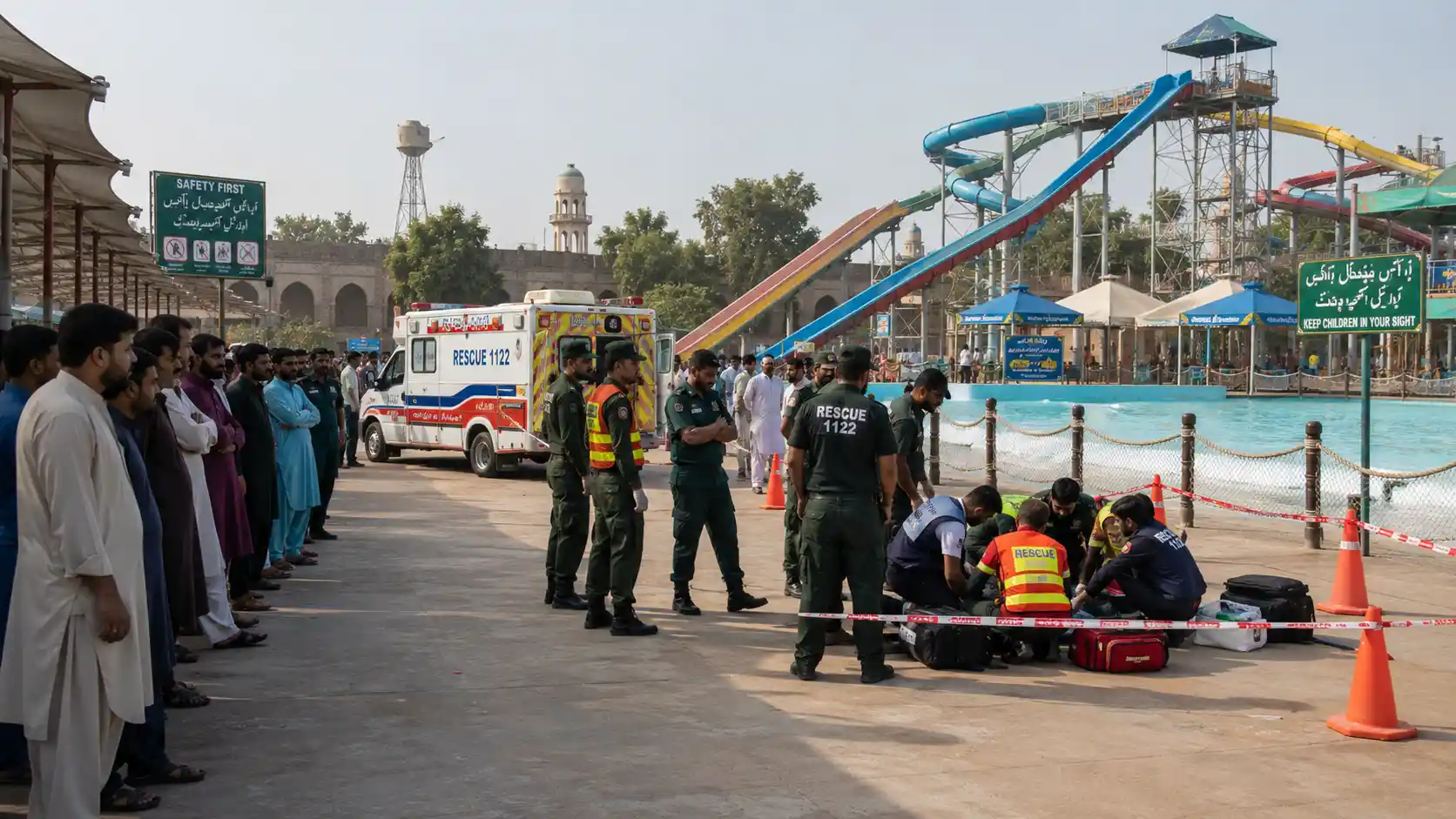

Water park safety is a critical concern following the tragic death of a 9-year-old girl who drowned at a popular water park. This heart-wrenching incident raises urgent questions about the safety measures in place at water parks and what more can be done to prevent similar tragedies. Understanding how such environments operate, and recognizing potential hazards, becomes pivotal for ensuring the well-being of all visitors.
The Importance of Water Park Safety
Water park safety is paramount, especially given the popularity of these attractions during warmer months. Millions of families flock to water parks, seeking fun and relief from the heat. However, the complexities of these environments can pose significant risks. From wave pools to lazy rivers, each attraction presents unique challenges that require rigorous safety protocols.
Recent statistics indicate that drowning is one of the leading causes of accidental death in children. This underscores the urgent need for comprehensive safety standards across all water parks. Operators must prioritize lifeguard training, regularly inspect rides, and implement strict supervision policies to safeguard their youngest visitors.
Ensuring a safe experience at a water park involves a collaborative effort among park staff, regulatory bodies, and visitors themselves. Understanding these dynamics can significantly reduce the likelihood of accidents and make safety a shared responsibility.
The culture of safety at a water park must extend beyond physical safety measures to include emotional safety as well. Ensuring that children feel comfortable and confident around water can improve their ability to handle unexpected situations, reducing the risk of panic that can lead to accidents.
The water park industry has seen significant advancements in safety protocols over the years. For example, certification programs for water park management and lifeguarding have become more stringent to address the evolving challenges related to water park safety.
What Makes Water Parks Especially Hazardous?
Water parks, by nature, are filled with attractions designed to provide thrilling experiences. However, these features also contribute to potential hazards. Fast-moving water flows, slippery surfaces, and crowded pools are common challenges that can lead to accidents if not managed properly. Understanding the unique factors that make water parks hazardous is essential for preventing incidents.
The design of water park attractions, such as wave pools and slides, involves complex mechanics that demand careful monitoring. Machines that generate waves or push water for slides can malfunction, increasing the risk of injury. Comprehensive maintenance routines are crucial to ensure all equipment functions safely.
Additionally, the vast number of guests visiting water parks can lead to overcrowding, which in turn diminishes the effectiveness of lifeguard supervision. The challenge lies in balancing guest enjoyment with rigorous safety requirements to ensure a safe and enjoyable experience for all.
Environmental factors, such as varying water depths and temperatures, can also pose risks. Water parks often cater to a wide range of age groups, meaning the same attraction could be suitable for an adult but pose a real danger to a smaller child. Therefore, attractions must have clear, age-appropriate guidelines.
Furthermore, the playful atmosphere of water parks might give a false sense of security. It is crucial to maintain awareness that the fun environment does not negate the inherent risks that water-based activities carry.
Lifeguard Training and Responsibilities
One of the cornerstones of water park safety is the presence and vigilance of lifeguards. These professionals are trained to respond quickly to emergencies, making their role indispensable. The effectiveness of a lifeguard depends significantly on their training program and the protocols set by the water park management.
Standard lifeguard training involves not only life-saving techniques but also instruction in first aid and CPR. Lifeguards are taught to recognize signs of distress, perform swift rescues, and maintain constant vigilance over their designated areas. Rigorous training ensures that they are well-prepared to handle emergencies swiftly and effectively.
However, the human element means that errors can occur. Overworked or distracted lifeguards may miss critical signs of someone in danger. Water parks must invest in ongoing training and ensure lifeguards have reasonable working hours and conditions to perform their duties optimally.
The recruitment process for hiring lifeguards is equally crucial. Ensuring that candidates possess not only the skill but also the temperament to handle high-pressure situations can make a significant difference in emergency outcomes. Empathy, calmness, and quick decision-making are vital traits for lifeguards.
In addition to individual lifeguard performance, teamwork plays a crucial role in safeguarding water park guests. Coordinated efforts among lifeguards, enhanced by communication devices, ensure swift and efficient emergency responses. Implementing regular drills can help identify weak spots in the emergency response plan and strengthen team cohesion.
Technology’s Role in Enhancing Safety
As technology evolves, it offers new tools and methods to enhance safety at water parks. From underwater motion sensors to AI-driven monitoring systems, technology can assist lifeguards and staff in maintaining a vigilant watch over visitors.
Motion sensors placed in pools can detect unusual movements or prolonged underwater presence, alerting staff instantly. Such technologies are a testament to how innovation can address gaps in human oversight, adding an extra layer of protection for visitors.
Beyond real-time monitoring, technology can assist in maintaining equipment, providing alerts for required maintenance or malfunctioning rides, thus preventing accidents before they occur. The integration of tech solutions can transform water park safety, making such environments significantly safer.
Virtual reality (VR) has emerged as a tool for training purposes, allowing staff and lifeguards to simulate emergency situations in a controlled, risk-free environment. This training can enhance their preparedness for real-life incidents.
Embracing sustainable technologies can also play a role in safety by ensuring that water quality is maintained without relying on harsh chemicals that might cause skin irritations or respiratory issues among visitors.
Al Read This Article: Fuel Prices’ Daily Adjustment: Understanding the Controversy
Parental Responsibility at Water Parks
While water park operators have a significant role in ensuring safety, parents and guardians are also key players. Close supervision and a clear understanding of their child’s swimming abilities are essential in protecting children from water-related hazards.
Parents should educate their children on water safety rules and monitor them at all times, even in shallow or seemingly safe areas. Constant communication and setting limits on where a child can go within the park are proactive steps to enhance their safety.
Equipping children with flotation devices and ensuring they are within arm’s reach can mitigate many risks. An informed and attentive parent is a child’s best defense against potential dangers at a water park.
Engaging in continuous learning about water safety can make a significant difference. Parents can attend safety workshops or consult with lifeguards to understand best practices for supervising children at water parks.
The psychological aspect of safety is also crucial. Parents should consistently encourage open dialogue with their children, discussing any fears or concerns they might have around water activities. This proactive approach can help build a child’s confidence and awareness.
Legal and Regulatory Aspects of Water Park Safety
Water parks operate under various local, state, and federal regulations that dictate safety standards. These regulations encompass everything from water quality testing to lifeguard staffing requirements and emergency responses.
Compliance with these regulations is non-negotiable, and water parks face penalties for violations. Regular inspections by regulatory agencies ensure that safety measures are adhered to and that any deficiencies are promptly addressed.
In the event of an incident, legal processes are set in motion to determine liability and bring about changes to enhance safety measures. This legal oversight is vital in enforcing the necessary standards for operation and protecting the public.
The legal responsibilities of water park operators often extend beyond meeting regulatory standards. They may involve addressing public concerns through transparent communication and engaging with community stakeholders in discussions about safety improvements.
Public interest litigation sometimes leads to policy changes or advancements in safety protocols. Therefore, it is beneficial for park operators to stay abreast of legal trends and continuously evaluate their compliance with evolving safety norms.
Case Studies: Learning from Past Incidents
Examining past incidents provides invaluable lessons in water park safety. By analyzing what went wrong, water parks can implement changes to prevent future occurrences. One such case involves a teenager who was injured due to a malfunctioning ride, leading to an overhaul of maintenance protocols.
Another case highlighting the importance of lifeguard training involved a near-drowning incident where quick-thinking staff prevented a tragedy. Such examples underscore the need for comprehensive safety training and response plans.
Through these case studies, water parks worldwide can learn and reinforce their safety practices to keep similar incidents at bay. The collective knowledge gained from past mistakes strengthens the overall safety framework in these environments.
In studying these incidents, water parks also glean invaluable insights into how communication with guests plays a role in safety. Clear signage, audible instructions, and informative briefings can support a safer visitor experience.
Case studies also offer an opportunity for water park operators to collaborate and share best practices, leading to an industry-wide enhancement in safety measures and strategies.
The Impact of a Tragedy on a Community
Events like the tragic drowning of a young girl resonate far beyond the immediate incident. They evoke strong emotional responses and draw communities together in mourning and reflection. The aftermath influences public perception of water park safety and can lead to changes in community behavior.
Community leaders and organizations often step up to provide support to grieving families while advocating for enhanced safety measures. Additionally, these incidents spark conversations around parental vigilance and community responsibilities in safeguarding children.
Understanding the social and emotional impact of such tragedies reinforces the need for all stakeholders to work collaboratively towards a safer environment for families to enjoy.
Media coverage of tragedies emphasizes the public’s role in demanding higher safety standards. Such incidents often prompt discussions and legislative actions focused on improving existing safety measures.
Community healings, such as memorials or safety awareness drives, help in processing grief and build a collective resolve to prevent future tragedies, creating a supportive community environment.
Proactive Measures for Future Prevention
Preventing future tragedies requires a multifaceted approach involving updated safety protocols, community education, and technological advancements. Regularly updating safety guidelines and training staff are critical first steps in mitigating risks.
Community education campaigns can raise awareness about water park safety, equipping families with the knowledge needed to protect themselves. Informative sessions and distribution of safety literature reinforce safe practices among park visitors.
Additionally, incorporating cutting-edge technology and fostering a culture of continuous improvement within water parks ensures that safety measures evolve alongside emerging challenges and innovations.
Partnerships between government bodies, educational institutions, and water parks can foster research into novel safety measures, promoting a culture of innovation aimed at solving existing safety challenges.
Furthermore, engaging seasoned industry experts and leveraging their insights can lead to pioneering solutions that bolster the preventive measures water parks adopt to ensure visitor safety.
Conclusion: Building a Culture of Safety
The tragic loss of a young life at a water park is a powerful reminder of the paramount importance of safety in these recreational environments. Building a culture of safety involves not only regulatory compliance and best practices but also an active collaboration between park operators, parents, and technology providers.
By leveraging lessons learned from past incidents, fostering open communication among stakeholders, and embracing technological advances, water parks can transform into safer havens that offer joy and excitement without compromising on safety.
As awareness grows and safety protocols improve, the shared goal remains clear: to ensure that water parks provide a secure, enjoyable experience for all families.
Enhancing the visitor experience through safety does not dilute the thrill or excitement of water parks. Instead, it curates an environment where fun can be had without fear, making leisure time both delightful and secure.
Ultimately, it is about creating a proactive, transparent conversation about safety at every level, ensuring that incident prevention is prioritized as much as, if not more than, incident response.
Frequently Asked Questions
How can water parks improve safety measures?
Water parks can enhance safety by investing in advanced technology, increasing lifeguard training, and maintaining strict compliance with regulatory standards. These measures help prevent accidents and ensure a safe environment for visitors.
What are the most common dangers in water parks?
Common dangers include slippery surfaces, malfunctioning rides, fast-moving water attractions, and overcrowding, all of which can contribute to accidents if not managed effectively.
Why is parental supervision crucial at water parks?
Parental supervision is essential because it provides an extra layer of safety. Parents can monitor their children closely, ensure they follow safety rules, and quickly respond to any potential hazards.
What role does technology play in enhancing water park safety?
Technology enhances water park safety by providing real-time monitoring through sensors and alert systems, helping staff respond promptly to emergencies and maintain equipment.
What steps should water parks take after a tragic incident?
Water parks should review and update their safety protocols, provide additional training to staff, use the incident as a learning tool, and offer support to affected families and the community.