






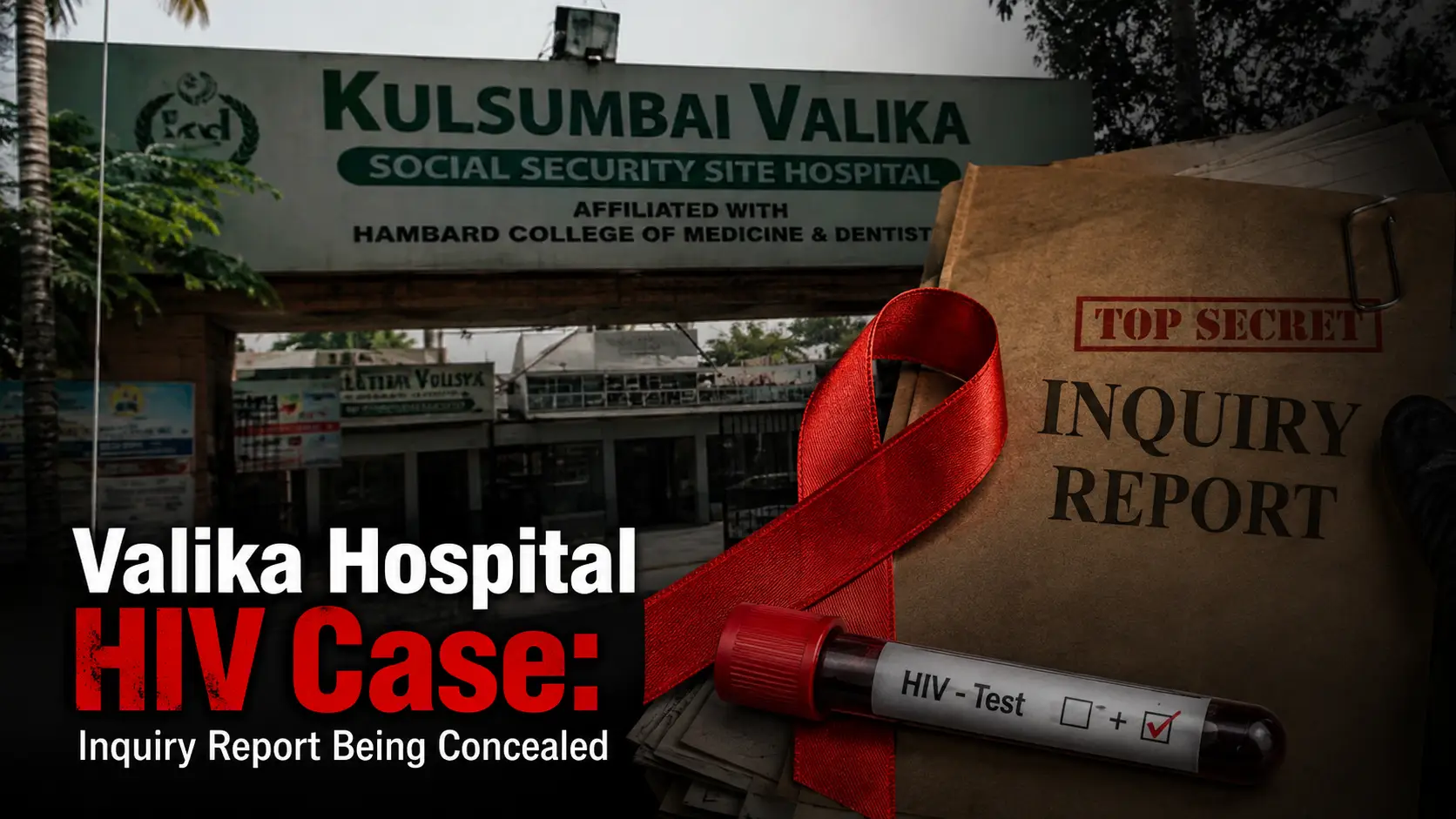

The Valika Hospital HIV case has recently come under the spotlight due to allegations that an inquiry report is being concealed from the public eye. This situation has raised numerous questions about transparency and accountability within the healthcare system in Pakistan. As the case unfolds, with the Sindh High Court (SHC) addressing concerns about the concealment of such a significant inquiry report, various stakeholders are left pondering the potential implications for public health, legal frameworks, and the credibility of health institutions. Throughout this article, we will explore the ramifications of the Valika Hospital HIV case, analyze the ongoing legal proceedings, and consider how this situation reflects larger systemic issues in the healthcare sector.
The Background of the Valika Hospital HIV Case
The origins of the Valika Hospital HIV case date back to incidents where multiple patients tested positive for the virus under puzzling circumstances. Initiated in 2022, it quickly drew attention when health authorities feared a troubling pattern of HIV transmission within a community. Investigations revealed that a significant number of patients from various demographics had contracted the virus and were subsequently treated at Valika Hospital. The rapid spread connected to healthcare institutions raised alarms regarding stringent health protocols and their implementations. Although health officials attempted to control the narrative, news of growing infections flooded media outlets, resulting in public outcry and the necessity for independent inquiries.
Another critical aspect of the background involves the cultural and societal perceptions surrounding HIV in Pakistan. HIV/AIDS remains a stigmatized issue, often poorly understood by the general public. The initial response from many community members involved denial and fear, making the need for public discourse more urgent than ever. This sentiment created an environment ripe for both misinformation and the urgency for a solid, fact-based inquiry to quell fears and provide accountability. As news spread, it became evident that the healthcare system’s integrity was under scrutiny. This environment of uncertainty set the stage for what would develop into the Valika Hospital HIV case.
In response to the growing public concern, the provincial government mandated an investigation to ascertain how such a significant outbreak of HIV could go unchecked. As investigators delved deeper, various inconsistencies emerged, which led to accusations surrounding negligence, malpractice, and even potential criminal conduct within the healthcare institution. Instead of fostering transparency, the situation devolved into a series of legal challenges, culminating in allegations that the inquiry’s findings were being withheld a critical point that continues to overshadow the legal proceedings and contribute to growing public distrust.
The scope of this case extends beyond the hospital, highlighting endemic issues within Pakistan’s healthcare infrastructure. Lack of proper training for healthcare workers, inadequate facilities, and outdated protocols have all been pinpointed as contributing factors to the crisis. Investigations have revealed that Valika Hospital was not properly equipped to handle the outbreak, with a dire need for updated medical technology and stringent health checks. These revelations underscore a pressing need for systemic reform and a more vigilant approach in monitoring health institutions to prevent recurrence of such cases.
Legal Proceedings Surrounding the Inquiry
The legal landscape surrounding the Valika Hospital HIV case is as complex as the healthcare failures it seeks to address. After the initiation of the inquiry, various legal frameworks and laws were invoked to ensure that those responsible for the outbreak were held accountable. However, legal complexities have arisen that highlight the issues surrounding transparency in the inquiry process. Reports surfaced that critical findings from the investigation were either being withheld or misrepresented, leading to accusations of governmental incompetence and a lack of accountability.
The shrouded handling of the inquiry has captured public interest, resulting in a significant backlash against health authorities. The Sindh High Court has been inundated with petitions calling for the release of the inquiry’s findings. Legal experts point out that maintaining transparency is essential not only for judicial proceedings but also for restoring public trust in health institutions. Every new revelation has compounded fears of inadequate oversight and systemic corruption, putting into question the overall integrity of healthcare governance.
From the beginning of the inquiry, the judicial system has waded through a maze of procedural challenges and legal maneuvers. Investigators have scheduled hearings, served notices, and despite substantial evidence pointing toward negligence, the path toward accountability has proven arduous. Every hiccup along the way has raised eyebrows, suggesting that the inquiry isn’t merely a legal obligation but a representation of broader societal injustices stemming from flaws inherent in healthcare management. In a country already grappling with public health crises, the HIV case epitomizes a microcosm of a system apparently resistant to change.
The involvement of the judiciary also underscores the essential role that legal systems play in addressing public health issues. Legal bodies are compelled to decipher complex medical testimonies, intertwine facts with legal statutes, and proceed without prejudice. Successful legal oversight could lay the groundwork for establishing enforceable standards and preventative measures for health governance, thereby addressing widespread deficiencies. However, to achieve such outcomes, the judiciary must navigate obstacles impartially and expediently, emphasizing a balanced approach to justice and health security.
The Stigma of HIV in Pakistan
The stigma surrounding HIV/AIDS presents one of the most significant challenges faced not just by those infected but also by healthcare providers and the inquiry’s investigators. The social perceptions of HIV continue to be colored by fear, misinformation, and deeply entrenched cultural norms. Many individuals diagnosed with HIV experience marginalization, leading to reluctance in seeking medical care or participating in public discourse surrounding the condition.
This stigma complicates the inquiry process itself, as individuals may not come forward to share crucial information, fearing social repercussions. The psychological toll of social ostracization is significant; numerous studies have highlighted the effects of stigma on mental health and overall well-being among those living with HIV. This context underscores the urgency behind addressing not only the immediate healthcare crisis but also the larger societal attitudes that contribute to it.
Furthermore, the silence surrounding HIV makes it difficult for policymakers to enact effective public health campaigns. Misunderstandings about transmission and treatment only serve to fuel the cycle of fear and distrust. As individuals and families are reluctant to disclose their status, public health narratives become distorted and less effective. Given the stigma attached to HIV, initiating a straightforward conversation about the challenges faced by affected individuals has proven to be a considerable barrier to transparency and comprehensive healthcare reform.
Efforts to combat this stigma must include educational initiatives tailored to break down stereotypes and misconceptions. Transparently sharing scientific information about HIV transmission and treatment options can demystify the condition and encourage open discussions. Collaboration with community leaders and cultural influencers can amplify awareness campaigns, promoting a message of empathy and understanding. By breaking the silence around HIV, society can foster a more accepting environment that supports those affected and ensures they can access necessary health services without prejudice.
The Implications of Concealing Inquiry Findings
The allegations surrounding the concealment of inquiry findings in the Valika Hospital HIV case are not merely about the immediate consequences for those involved. Rather, they raise significant implications for public health, governance, and legal accountability in Pakistan. The failure to transparently address the inquiry casts a long shadow over the credibility of healthcare institutions and the government apparatus designed to protect public health.
When inquiry reports are kept hidden, public trust erodes, leading to hesitancy and skepticism surrounding future health initiatives. This mistrust can have cascading impacts, affecting everything from the uptake of preventive measures to the willingness of affected individuals to seek necessary treatment. In a country with already complex public health challenges, failing to confront and communicate the realities of the HIV case can exacerbate the existing crises.
Moreover, the concealment sets a precedent for future inquiries, suggesting that similar cases may also be swept under the rug. This lack of accountability can foster a culture of impunity, where those responsible for gross negligence or malpractice operate without fear of repercussions. As legal scholars and health advocates caution, a cycle where negligence is accepted as the norm severely undermines the safety of healthcare systems, potentially leading to more outbreaks of diseases in the long term.
For health governance reform, transparency is integral to creating systems that prevent future crises. The inquiry’s concealment diminishes the opportunity for constructive critique and learning from existing oversight in the healthcare framework. Public involvement in dissecting failures and proposing solutions is vital for addressing ingrained problems and reconstructing a healthcare environment committed to safety and accountability. Ultimately, building public confidence in healthcare requires dismantling patterns of deception and replacing them with open channels of communication that reveal and resolve discrepancies without bias.
Also Read This Article : Water Supply to Karachi Areas May Be Affected: What You Need to Know
The Role of Media in the Valika Hospital HIV Case
The media plays a pivotal role in shaping public perceptions surrounding health issues, especially controversial cases like the Valika Hospital HIV case. Investigative journalism has brought to light many compelling truths about systemic failings, thus acting as a catalyst for accountability. Various media outlets have diligently reported on the developments, highlighting the concerns raised by affected communities and amplifying their voices. When inquiries fall flat, the media often steps in, using its platform to advocate for transparency and compel authorities to act decisively.
However, media coverage can also be a double-edged sword, especially concerning sensitive subjects like HIV. Sensationalism can lead to increased stigma, pushing individuals further into the shadows and potentially complicating their access to healthcare. Thus, it is essential for the media to strike a balance between investigative reporting and responsible communication surrounding public health issues.
The evolving narrative surrounding the Valika Hospital HIV case serves as a crucial case study in understanding the intersection of healthcare, governance, and media responsibility. A well-informed public is essential for reform, making it imperative that the media adopts a nuanced approach to its reporting. Advocacy through responsible journalism can foster a climate of examination and critical discussion that ultimately leads to policy changes and, most importantly, improved public health outcomes.
Furthermore, the media has the capacity to foster community engagement by bridging communication gaps between the public, policymakers, and healthcare institutions. By hosting forums for discussion and featuring diverse perspectives, media outlets can democratize the conversation around healthcare challenges. Empowering communities to share their experiences and contribute solutions fosters an inclusive approach to reform, highlighting the vital role of media as neither a mere commentator nor an arbitrator, but a collaborative stakeholder in the pursuit of public health transformation.
Responses from Health Authorities
In the wake of escalating public scrutiny, health authorities have been compelled to respond to the ongoing concerns regarding the Valika Hospital HIV case. Initially, responses were characterized by a strategy of silence, with officials hesitant to engage with the media or the public directly. This approach ultimately backfired as allegations of concealment began to spread, leading to fierce public and media backlash.
As pressure mounted, health officials found themselves cornered into taking a more transparent approach. Statements began to surface assuring the public of ongoing remedies and investigations. However, critics argue that their responses lack substance and are often riddled with inconsistencies. Such reactive measures, rather than proactive solutions, do little to address the systemic flaws identified during the inquiry process.
Furthermore, the challenge remains whereby public discourse is overshadowed by the prevailing fears surrounding HIV transmission. In responding to inquiries, health authorities must articulate clear, fact-based information to combat misinformation and stigma. A concerted effort to educate the public and engage affected communities could lay the groundwork for rebuilding trust and improving health outcomes. While there has been some movement towards reform, it is clear that the journey to restore public confidence and ensure accountability remains ongoing.
Achieving progress in response strategies requires transparency from health authorities beyond mere rhetoric. Published reports, real-time updates, and open dialogues with community representatives signal commitment to reform rather than cosmetic adjustments. Adequate funding toward healthcare education and collaboration with grassroots organizations are practical steps to foster trust. By demonstrating accountability through actions rather than statements, authorities can initiate meaningful reform that solidifies the public’s belief in health systems dedicated to safety and effectiveness.
Potential Outcomes of the Inquiry
As the Valika Hospital HIV case unfolds, the potential outcomes of the inquiry could resonate through various sectors, influencing public health policy, healthcare accountability, and legal frameworks surrounding malpractice. Judicial outcomes could set crucial precedents, establishing benchmarks for future healthcare governance. Depending on the inquiry’s findings, there could be a ripple effect throughout the healthcare system, highlighting the importance of rigorous protocols and accountability measures.
If the inquiry results in indictments or actionable changes within Valika Hospital or similar institutions, it could serve as a call to action for overhauling regulatory frameworks designed to oversee public health institutions more efficiently. Gathering evidence and making it publicly available will allow for constructive discourse around healthcare reforms and accountability.
Conversely, if the inquiry concludes with minimal actions taken against responsible parties or vague findings, public skepticism is likely to increase. A lack of accountability would risk perpetuating the culture of negligence within healthcare systems, enabling larger systemic issues to fester. This dynamic reaffirms the necessity for transparency and accountability, serving as a microcosm of the healthcare environment in Pakistan.
Further outcomes of the inquiry may involve shaping educational curricula for medical training, incorporating lessons from the case with an emphasis on ethics and patient safety. A commitment to reshaping not just regulatory measures but nurturing a generation of healthcare professionals who prioritize transparent communication and rigorous adherence to established guidelines is paramount. The reverberations of the inquiry’s conclusions should not merely signal changes in administrative policy but inspire a concerted cultural shift within medical communities committed to accountability and the continuous pursuit of public health advancement.
The Importance of Comprehensive Public Health Campaigns
The Valika Hospital HIV case underscores the necessity for comprehensive public health campaigns to address both the immediate and underlying issues plaguing healthcare governance. These campaigns must be multifaceted, involving awareness programs, education, and community engagement to eradicate stigma and promote constructive dialogue around communicable diseases like HIV. By integrating scientific literacy into educational systems and community initiatives, societal perceptions can transform to support informed health decisions and diminish fears rooted in misinformation.
To ensure the efficacy of these campaigns, stakeholders must collaborate, spanning government bodies, healthcare providers, educational institutions, and non-profit organizations. The alignment of goals across these sectors ensures consistency in messages shared with the public, mitigating contradictions that often lead to confusion and skepticism. Such campaigns should also leverage digital platforms to enhance reach and interactivity, encouraging participation and feedback from the populace, thereby tailoring strategies to meet specific community needs while fostering accountability and transparency.
Ultimately, comprehensive public health campaigns serve as both preventative and corrective measures, bridging gaps in understanding between healthcare systems and the communities they serve. By fostering a culture of education, empathy, and empowerment, these initiatives are foundational in restoring trust, ensuring healthcare systems are resilient and responsive, and promoting an inclusive approach that elevates public health standards across Pakistan.
Future Directions: Ensuring Accountability
In light of the ongoing Valika Hospital HIV case, future directions must prioritize accountability as a fundamental principle for reform. Ensuring transparency in healthcare can significantly mitigate the risks associated with negligence and malpractice, ultimately supporting patient safety and public health. One essential step includes establishing independent oversight bodies mandated to monitor healthcare institutions and their adherence to proper standards.
Moreover, public engagement must be fundamental to any reform agenda. Citizens should be empowered to participate in health policy discussions, offering feedback on proposed measures and providing a voice to those directly affected. Establishing communication channels between healthcare providers and the public can bridge gaps in understanding and promote proactive approaches to healthcare challenges.
Finally, countering stigma surrounding communicable diseases, particularly HIV/AIDS, requires a commitment to education and advocacy that transcends the immediate case or outbreak. Comprehensive public health campaigns should focus on erasing misinformation and building community buy-in to promote healthier outcomes. By altering the narrative surrounding HIV, we can contribute to a culture where public health is prioritized, and trust in healthcare systems is restored.
Additionally, embracing technology and data analytics can revolutionize the ability of oversight bodies to function efficiently, offering real-time insights into healthcare dynamics and preemptive identification of potential risks. Continuous improvement models geared toward incorporating community feedback, transparent grievance mechanisms, and incentivizing ethical practices among healthcare professionals serve as pivotal steps in sustaining accountability. As Pakistan navigates the complexities of healthcare governance, an unwavering commitment to making accountability intrinsic to every facet of the system will catalyze enduring change and safeguard public trust.
Conclusion
The Valika Hospital HIV case presents a critical juncture for healthcare accountability and public health in Pakistan. Allegations of concealing inquiry reports point to deeper systemic flaws, challenging the integrity of healthcare institutions and raising urgent questions regarding public trust. The ongoing legal proceedings encapsulate a broader landscape that requires urgent interventions in both governance and public perception.
As we navigate this intricate web of failures, the complexities surrounding the Valika Hospital HIV case reveal that transparency is not simply a regulatory requirement; it is an ethical imperative in healthcare. The voices of those affected must be amplified to ensure accountability and instigate meaningful reform. The path forward requires collective responses from health authorities, legal frameworks, and public engagement that actively dismantles stigma and promotes comprehensive healthcare.
Ultimately, the inquiry’s outcomes will ripple far beyond the immediate context, encapsulating lessons that can dictate future public health policy and governance. A willingness to confront challenges with transparency will forge a more responsible approach towards public healthcare and ensure that accountability becomes a cornerstone of medical practice in Pakistan.
Frequently Asked Questions
What is the Valika Hospital HIV case?
The Valika Hospital HIV case involves multiple patients testing positive for HIV under unusual circumstances, leading to an investigation into potential negligence within the healthcare system.
Why is there concern about the inquiry report?
The concern arises from allegations that the inquiry report is being concealed, raising questions about transparency and accountability in how healthcare crises are managed.
What are the implications of concealing inquiry findings?
Concealing inquiry findings undermines public trust in healthcare institutions, potentially exacerbating public health crises and allowing systemic failures to persist.
How does stigma play a role in the case?
Stigma surrounding HIV complicates responses to the case, as individuals may hesitate to come forward with information or seek medical help due to fear of discrimination.
What can be done to improve accountability in healthcare?
Improvements in accountability can be achieved through establishing independent oversight bodies, engaging the public in health discussions, and actively combating stigma surrounding HIV and other health issues.